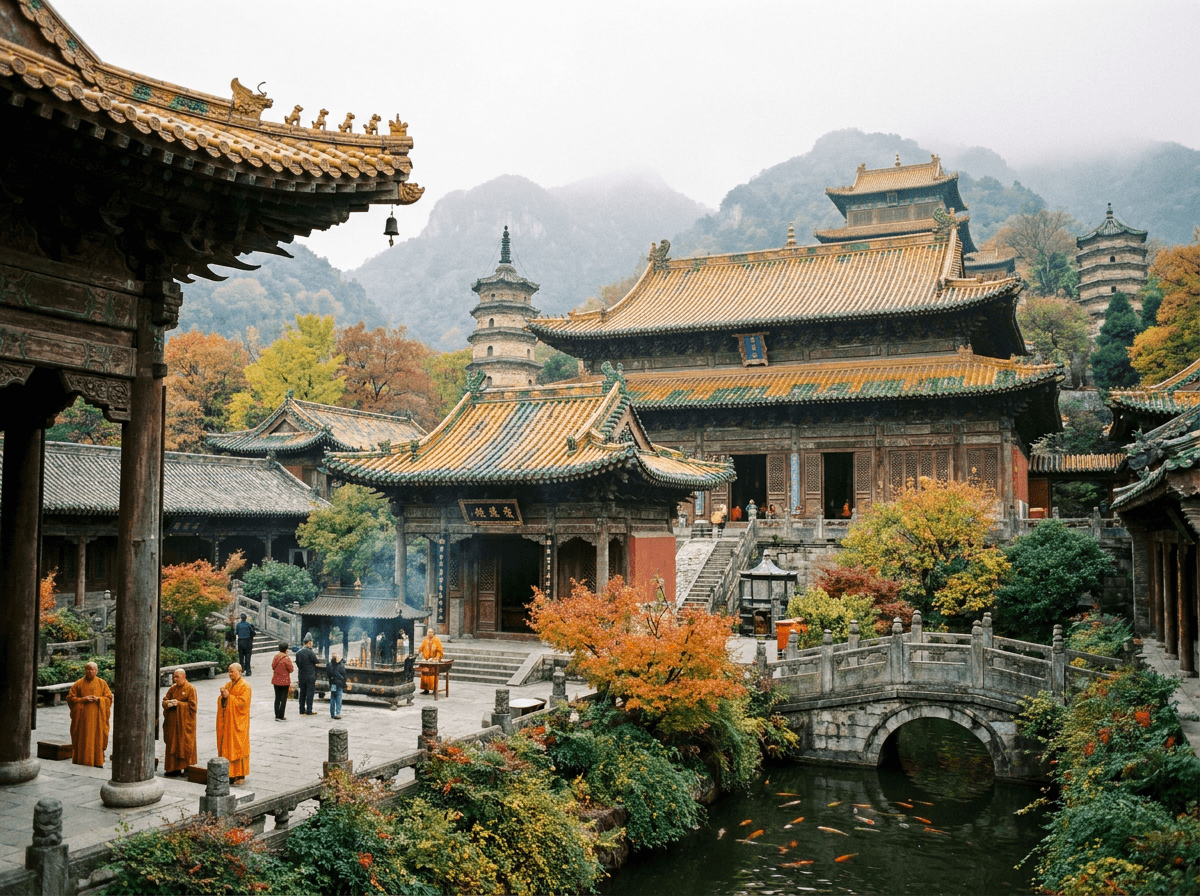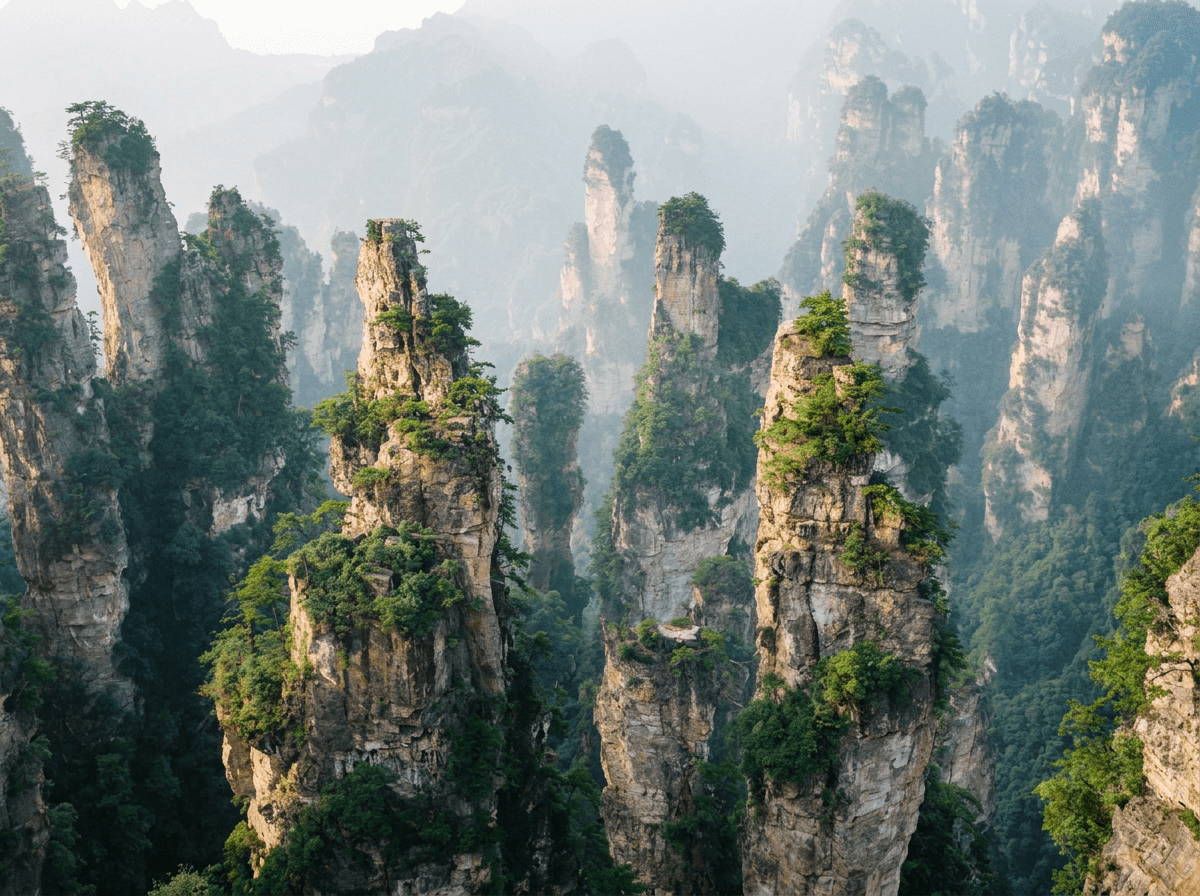
Kína sivatagokat, trópusi szigeteket és hóval borított fennsíkakat zsúfol egy határvonalba. Ez a sokszínűség miatt szinte lehetetlen egyetlen „legjobb” látogatási időpontot meghatározni. Az időjárás, ami áprilisban Pekingben tökéletes, tönkreteheti egy Jünnanba tervezett utazást, miközben Sin-jiang ideális évszaka alig hasonlít Hajnanéra. Ez az útmutató lebontja a legfontosabb régiók látogatásának legjobb időpontjait, segítve az utazókat abban, hogy az útitervüket a helyi évszakokhoz igazítsák, nem pedig találgatásra hagyatkozzanak. Minden terület saját klímajellegnek engedelmeskedik, amelyet a szélességi fok, a tengerszint feletti magasság és a tengerparttal való közelség alakít.
Észak-Kína és Peking
Észak-Kínában az évszakváltások élesek, így az időzítés kulcsfontosságú. A nyarak forrók és párásak, Peking hőmérséklete rendszeresen meghaladja a harminc Celsius-fokot. A telek száraz hideget és alkalmi havazást hoznak, valamint olyan erős szeleket, amelyek kellemetlenné tehetik a kültéri látnivalók felfedezését.
A legtöbb utazó számára a tavasz és az ősz kínálják a legjobb időablakot. Április és május enyhe hőmérsékletet és tisztább eget hoz – ideális a Nagy Kínai Fal sétányozásához vagy a Tilos Város felfedezéséhez, anélkül, hogy a sűrű tömegekkel kellene megküzdeni. Szeptember és október hasonló mintát követ, friss levegővel és kényelmes nappali hőkkel.
Az ősznek gyakorlati előnye is van. Ahogy a nyári páratartalom csökken, a levegő minősége általában javul, jobb kilátást biztosítva a kültéri helyszíneken, például Badalingben vagy Mutianyu-ban. Ha a látnivalók felfedezését túrázással kombinálja, kifejezetten a korai őszre célozzon; a későbbi hónapok hidegebb hőmérsékletet hoznak a nagyobb magasságokban.
A tél még mindig egy szűk csoportot vonz. A kevesebb tömeg és az alacsonyabb szállodai árak miatt december vége és február közötti időszak vonzó lehet a költségvetésre figyelő látogatók számára, akik hajlandók megöltözni. Végül észak-Kína látogatásának legjobb időpontja a hőmérséklet-extremumokkal szembeni tűréshatártól függ, mivel a régió ritkán kínál enyhe középutat.
Délkelet-Kína: Jünnan és Kicsou
Jünnan változatos magassága mikroklimák mozaikát hozta létre a tartományban. Az alsó völgyek egész évben melegek maradnak, míg a Sangri-La és Li-csiang közelében lévő magasabb területek még nyáron is lehűlhetnek. Ez a változatosság azt jelenti, hogy a régiók kutatása elengedhetetlen a dátumok véglegesítése előtt.
A tavasz kiemelkedő a legtöbb útiterv számára a legjobb látogatási időpontként. Márciustól májusig vadvirágok borítják a dombokat, és a legtöbb városban kényelmes nappali hőmérséklet uralkodik. Az esőcsapadék viszonylag alacsony marad a nyárhoz képest, így a hegyi utak megbízhatóbbak az utazáshoz.
A nyár Kína esős évszakát hozza Jünnanba és Kicsouba, délutáni zivatarok gyakoriak mindkét tartományban. Kicsou mészkő tájai, beleértve a Getu-völgyet, is sárosak és csúszósak lehetnek, ami jelentősen befolyásolja a túrázást és más kültéri tevékenységeket.
Az ősz erős másodlagos alternatívát kínál. Október és november szárazabb időjárást hoz vissza a régióba, aranyos lombbal a Li-csiang és Sangri-La közelében lévő magasabb területeken. A tél enyhe marad az alsó völgyekben, de valóban hideg lesz a nagyobb magasságokban, ezért ellenőrizze a konkrét úti célok magasságát, mielőtt csomagolna.
Tibet és a Nyugati Fennsík
A magasság diktál minden évszaki döntést Tibetben. Még a nyár közepén is drasztikusan változhat a hőmérséklet nappal és éjszaka között, ami azt jelenti, hogy az utazóknak fel kell készülniük az időjárásra és a nagy magasság fizikai terhelésére.
A legtöbb látogató számára májust szeptemberig terjedő időszak nyújtja a legjobb körülményeket. A hegyi hágók nyitva maradnak, az utak pedig járhatók. Július és augusztus a legmérsékelt általános hőmérsékletet biztosítja, bár az alkalmi eső néha ronthatja a látótávolságot a nagy tengerszint feletti magasságú helyszíneken.
A fennsík számos útja télen zárva tart, a szélsőséges hideg pedig valóban veszélyessé teszi az utazást a távoli területeken. Egyes utazók mégis Lhasa meglátogatása mellett döntenek ezekben a hónapokban. A város alacsonyabban fekszik, mint a környező hegyi útvonalak, és enyhébb körülményeket tapasztal a szélesebb régióhoz képest.
A magassági akklimatizáció minden évszakban elengedhetetlen. Töltsön több napot Lhasában, mielőtt bármilyen megterhelő tevékenységet kezdené a közelben található nagyobb tengerszint feletti magasságokban. Tibet látogatásának ideális időpontja végül is az időjárási viszonyok és a személyes magassági, valamint fizikai megterheléssel szembeni tűrőképességének egyensúlyán múlik.
Dél-Kína: Kuanghszi és Hajnan
Kuanghszi karsztos tájai, különösen Yangshuo és Kujlin környéke, az év nagy részében melegek maradnak. Az időzítés azonban jelentősen befolyásolja a látótávolságot és a kényelmet. A tavasz alkalmi ködöt hoz, amely eltakarhatja a karsztos tornyok kilátását, míg a nyári hőség és páratartalom megterhelőbbé teszi a szabadtéri tevékenységeket.
Az ősz általában a legjobb időszak erre a régióra. A tisztább ég és a kényelmesebb hőmérséklet javítja a folyami kirándulások és a szabadtéri felfedezés élményét. Szeptembertől novemberig a páratartalom csökken, miközben a napok még mindig elég melegek olyan tevékenységekhez, mint a sziklamászás vagy a kerékpározás.
Hajnan teljesen más mintázatot követ trópusi szigeti éghajlata miatt. A tél itt válik a csúcsidőszakká. Míg a Kína-földszíne hideg, Hajnan meleg és száraz marad. December és február között a tengerparti időjárást kereső utazók vonzódnak ide, egy olyan évszakban, amikor az ország nagy részén szabadtéri tartózkodás kellemetlen.
A nyár Hajnanton tajfunok kockázatát hordozza magával, az intenzív hőség és a magas páratartalom pedig kellemetlenné teheti a nappali tevékenységeket. A part menti utazásokat tervező utazóknak szorosan figyelniük kell a viharjelzéseket június és szeptember között, mivel az időjárási körülmények gyorsan megváltozhatnak ebben az időszakban.
A megfelelő évszak kiválasztása az útitervhez
Több régió kombinálása egyetlen utazás során bonyolítja Kína egészére vonatkozó legjobb látogatási idő meghatározását. Például egy olyan utazónak, aki mind Tibetet, mind Juntant szeretné meglátni, a késői tavasznak kell célnia. Mindkét régió megfelelő körülményeket kínál ebben az átfedési időszakban.
A vállalkozási évszakok általában az ország egész területén a legjobb értéket kínálják. A tavasz és az ősz csökkenti a tömeget a fő látnivalóknál, miközben elkerüli a nyári vagy téli szélsőséges hőmérsékleteket. A repülőjegyek és a szálláshelyek árai is enyhén csökkenhetnek a csúcsidőszakokon kívül.
A kínai nemzeti ünnepek az utazást függetlenül az évszaktól befolyásolják. Az október eleji Aranypéntek és a Holdújév időszak nehéz belső utazást eredményez, ami árfelzáródást és tömegeket okoz az ország egész területén lévő fő látványosságoknál. Ezeknek a specifikus időszakoknak az elkerülése gyakran fontosabb, mint az általános évszak kiválasztása.
Következtetés
Kínában nincs egyetlen, az ország minden részére egyaránt ideális utazási időszak. Az északi régiók tavasszal és ősszen ragyognak, míg Yuntant az esős nyári hónapokon kívül érdemes felkeresni. Tibet esetében a tengerszint feletti magasság és az úthelyzet miatt az időzítés különös gonddal megválasztott kell lennie, míg Hainan fordított naptár szerint működik, télen vonzza a tömegeket. Azok az utazók, akik a széles körű általánosítások követése helyett a konkrét állomásaikat tanulmányozzák, olyan évszakot fognak felfedezni, amely egyszerre illik az időjárás és a várt élményekhez. Egy ilyen sokszínű országban az utazás tervezésének legmegbízhatóbb módszere a regionális időjárási mintázatokra való fókuszálás, nem pedig egyetlen nemzeti narratíva követése.