중국을 방문하는 여행객들은 음식이 어느 가이드북보다도 이 나라의 이야기를 잘 전달한다는 사실을 곧 깨닫게 된다. 중국 요리는 성, 기후, 역사에 따라 다양하기 때문에 베이징의 한 끼는 청두나 광저우의 한 끼와 거의 비슷하지 않다. 여행을 계획 중인 방문객들에게 몇 가지 필수 중국 요리를 이해하는 것은 평범한 식사를 진정한 문화적 발견으로 바꿀 수 있다. 이 글은 섬세한 만두부터 매운 훗팟까지 중국 요리의 범위를 포착하는 열 가지 요리를 살펴본다. 각각은 지역적 정체성과 일상 생활로 통하는 창구를 제공한다. 호기심 많은 푸디(음식 애호가)이든 처음 방문하는 여행객이든, 이 중국 요리들은 일정의 한 자리를 차지할 만하다.
북부 고전: 밀과 따뜻함 위에 세워진 요리
중국 북부의 추운 겨울은 밀, 고기, 그리고 든든한 맛을 중심으로 한 요리를 형성했다. 이곳의 식사들은 일반적으로 포만감이 크고 따뜻하며, 영하의 기온에서 야외에서 보내는 긴 하루를 견디게 해주는 힘이 있다.
1. 베이징 오리
껍질이 유리처럼 반짝이고 바삭해질 때까지 구워낸 후, 식탁에서 칼로 썰어 얇은 팬케이크에 대파와 단콩소스와 함께 말아 먹는다. 칼 아래에서 껍질이 바삭거리는 소리가 들리며, 첫 한 입이 식탁에 오르기도 전에 방 안을 채우는 녹은 지방과 연기의 폭발적인 향이 퍼진다.
2. 자닝(전병)
이 거리 아침 식사 크레페는 계란, 바삭한 완토우 크래커, 그리고 짭짤한 소스를 결합하여, 인상적인 속도로 작업하는 판매자들이 빠르게 접는다. 반죽이 뜨겁고 둥근 그릴에 닿아 몇 초 만에 얇고 황금빛 층으로 퍼지며, 계란이 위에서 굳어질 때 시끄럽게 소리가 난다. 가격은 저렴하지만, 어떤 관광 일정에든 만족스러운 시작을 제공한다.
3. 만두
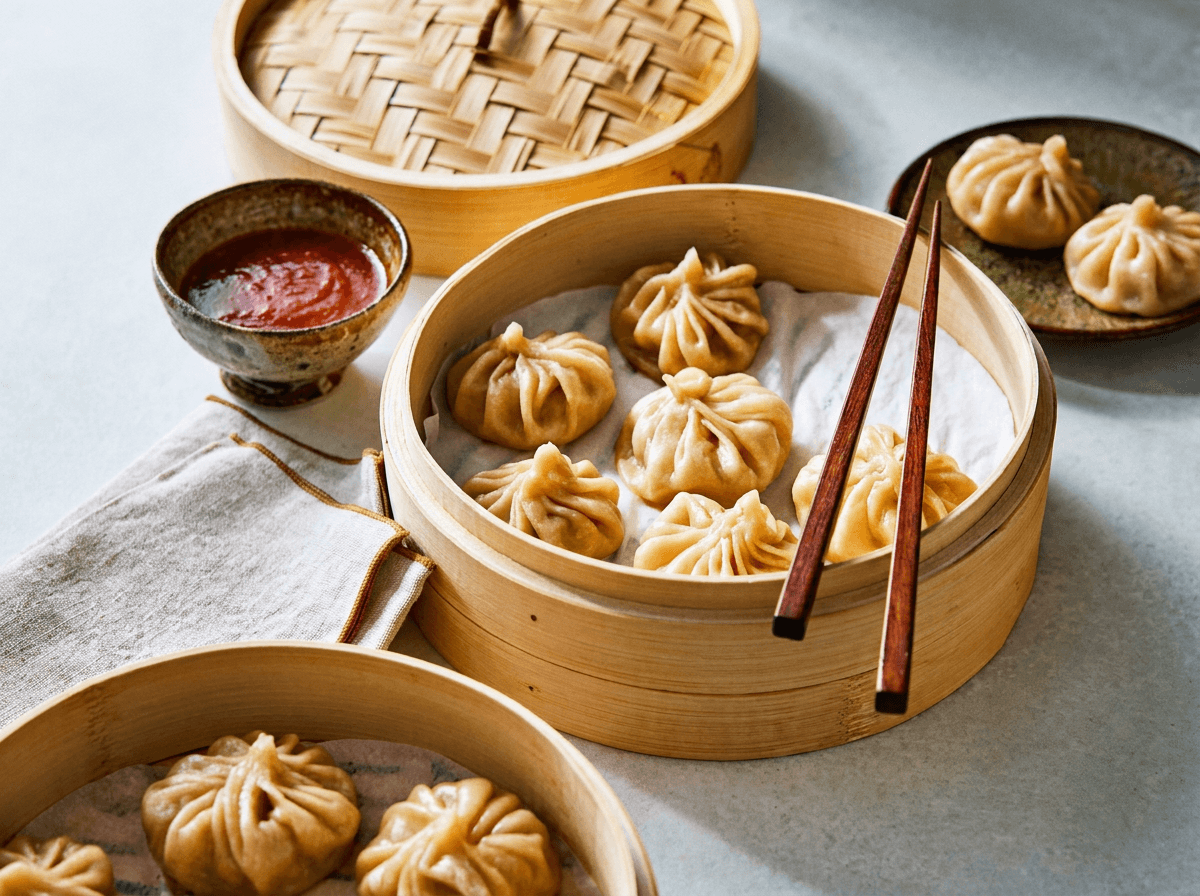
만두는 북부 3종 세트의 마지막을 장식한다. 삶거나, 찌거나, 팬에 구워, 가족 식탁과 작은 식당 모두에서 볼 수 있다. 속재료는 돼지고기와 배추에서 새우와 부추까지 다양하다. 북부 만두는 남부 만두보다 두꺼운 껍질을 가지고 있어, 삶는 물에서 찢어지지 않도록 만들어졌다.

쓰촨의 대담한 중국 요리
쓰촨 요리는 강렬함을 즐기는 여행객들에게 보상을 준다. 북부 요리가 밀을 통해 따뜻함을 추구한다면, 쓰촨은 열 자체를 통해 따뜻함을 달성한다. 매운맛에 민감한 여행객들은 진정성 있는 조리법은 거의 절제하지 않기 때문에 순한 옵션에 대해 물어봐야 한다.
4. 마포두부
마포두부는 실크 같은 두부에 다진 고기, 발효된 콩 페이스트, 그리고 독특한 따끔거림을 만드는 쓰촨 후추를 결합한다. 겉보기에는 단순해 보이지만, 한 입 먹을 때마다 층층이 쌓인 열과 마비되는 매운맛을 선사한다. 그 불꽃 같은 표면 아래에서, 두부 자체는 놀라울 정도로 부드럽고 거의 커스터드처럼 남아, 혀 위의 마비되는 매운맛과 대비되는 시원한 대비를 제공한다.
5. 궁보치킨
궁보치킨은 다른 균형을 제공한다. 다진 닭고기, 땅콩, 말린 고추는 달고, 신맛이 나고, 매운맛이 동시에 나는 소스에 함께 들어간다. 이 요리는 중국 외부로 널리 퍼졌지만, 진정성 있는 버전은 대부분의 수출 적응본보다 더 날카롭고 덜 달다.
6. 훗팟
이것은 아마도 모든 중국 요리 중 가장 사회적일 것이다. 손님들은 식탁 중앙의 끓는 매운 국물에서 생 재료를 요리하며, 얇게 썬 고기, 버섯, 채소 중에서 선택한다. 냄비에서 증기가 올라와 고추, 별안향, 쓰촨 후추의 향기를 전체 식탁에 퍼뜨린다. 냄비가 다시 채워질수록 대화는 몇 시간 동안 이어진다.

광둥 요리와 남부의 정교함
중국 남부, 특히 광둥성은 열기보다는 신선함과 기술로 명성을 쌓았습니다. 광둥 요리는 무엇보다 재료의 품질을 중시합니다. 셰프들은 자연의 맛을 보존하기 위해 가볍게 양념하고 빠르게 조리합니다. 이러한 철학은 쓰촨의 강렬한 향신료 사용과 대조를 이루며, 한 나라 안에서도 지역별 중국 요리가 얼마나 극적으로 다를 수 있는지 다시 한 번 보여줍니다.
7. 점심(딤섬)
작은 찜통 바구니들이 새우만두, 돼지고기 번, 쌀국수 롤로 가득 차 테이블에 도착하며, 차를 마시며 여유롭고 함께 나누는 식사를 장려합니다. 아침 내내 카트가 테이블 사이를 지나가고, 쌓인 찜통 바구니들의 소리는 식당 리듬의 일부가 됩니다.
8. 차시우(차슈)
광둥 바비큐 돼지고기로도 알려진 이 요리는 식탁에 색감과 단맛을 더합니다. 꿀과 오미향으로 매리네이드한 후 가장자리가 카라멜화될 때까지 구워낸 이 고기는 홍콩과 광저우 전역에서 밥이나 국수 위에 슬라이스되어 제공됩니다. 레스토랑은 종종 구운 고기 덩어리를 유리 진열창에 걸어두어, 카라멜화된 설탕과 향신료의 향기가 거리로 퍼지도록 합니다.
9. 완탕면 수프
얇은 계란면이 맑은 국물 속에 담겨 있으며, 그 옆에는 섬세한 돼지고기와 새우 완탕이 함께합니다. 건새우와 돼지 뼈로 몇 시간 동안 푹 고아낸 국물 자체는 연한 금색을 띠며, 탁하거나 무겁지 않은 깔끔하고 깊은 감칠맛을 지니고 있습니다. 완탕은 표면 바로 아래에 떠 있으며, 얇은 껍질은 안의 속재료가 거의 보일 정도로 투명합니다.

찾아볼 만한 일상적인 중국 요리
모든 기억에 남는 식사가 레스토랑에서 일어나는 것은 아닙니다. 길거리 상인과 작은 면 가게는 진정성과 가치 측면에서 종종 더 고급스러운 레스토랑보다 뛰어난 성과를 보입니다.
10. 란저우 소고기 면
주문대로 손으로 당겨 만든 면은 맑고 후추 향이 나는 소고기 국물과 함께 제공되며, 무와 고추기름은 옆에 곁들여집니다. 요리사가 반죽을 늘리고 카운터에 내리쳐 몇 초 만에 긴 가닥으로 얇게 만드는 과정을 보는 것만으로도 식사가 시작되기 전부터 그 자체로 엔터테인먼트가 됩니다. 국물은 깊은 맛에도 불구하고 놀라울 정도로 맑게 유지되며, 소고기, 향신료, 그리고 표면의 붉은 웅덩이처럼 떠 있는 고추기름 한 방울로 간단하게 양념됩니다.

결론
중국의 요리 풍경은 음식을 경계심이 아닌 호기심으로 접근하는 여행자에게 보상을 줍니다. 이 열 가지 중국 요리들은 지리, 역사, 지역적 자부심에 의해 형성된 요리의 시작을 설명할 뿐입니다. 베이징 오리 의식부터 면 수프 노점의 단순함까지, 각 요리는 사람들이 전국에서 어떻게 살아가고 먹는지에 대한 통찰을 제공합니다. 일정에 이러한 중국 요리들을 포함시키는 여행자들은 사진 이상의 것을 가지고 돌아갈 것입니다. 그들은 한 끼 한 끼를 통해 가장 잘 경험할 수 있는 이 나라에 대한 더 깊은 이해를 지니게 될 것입니다.