Большинство иностранных туристов обошли стороной китайские горы, упустив возможность признать эти вершины теми, кто их заслуживает. Обычно страна ассоциируется с шумными мегаполисами, древними храмами и высокоскоростными поездами, а не с долгими одиночными переходами через удаленные долины и высокогорные перевалы. На деле лучшие многодневные треки Китая могут поспорить с лучшими маршрутами Непала и Патагонии. Эти тропы проходят через ущелья, леса и степи, куда редко заглядывают иностранцы. В этой статье собраны выдающиеся многодневные пешие маршруты Китая, выбранные за пейзажи, физическую сложность и удаленность. Каждый из них предлагает уникальное сочетание рельефа, высоты и культурных встреч.
Ущелье прыгающего тигра
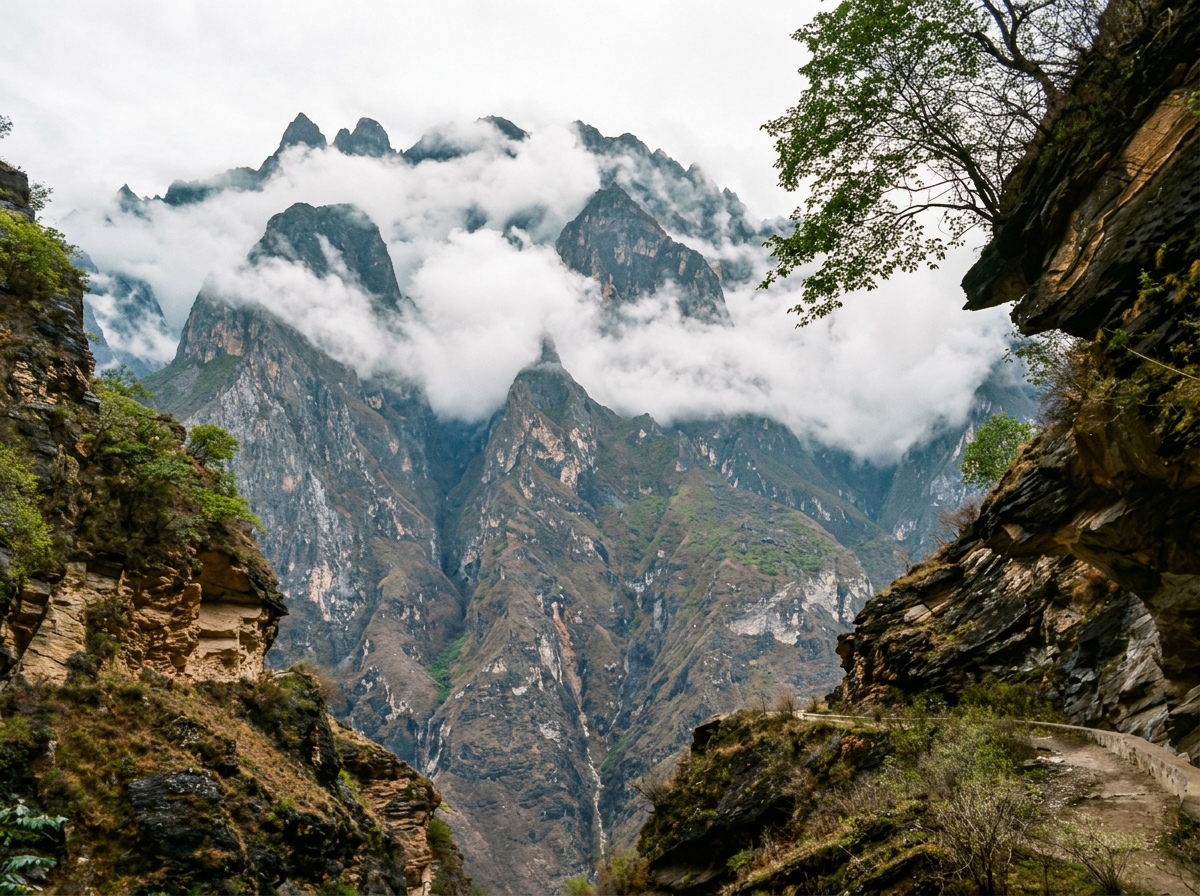
На северо-западе провинции Юньнань река Цзиньша прорезала Ущелье прыгающего тигра, прокладывая путь между двумя массивными горными хребтами. Верхняя часть тропы прилегает к крутым скалам около двух дней, проходя мимо водопадов и небольших гостевых домов, где можно поесть и переночевать.
Крутые обрывы определяют характер этого похода, при этом река видна далеко внизу сквозь бреши в тропе. В ясные дни заснеженные вершины обрамляют ущелье. Истинный масштаб пейзажа становится очевидным, когда туристы достигают 28 поворотов — промежуточной точки маршрута.
Этот маршрут более доступен по сравнению с другими благодаря цепочке гостевых домов вдоль пути. Наличие остановок означает, что не нужно тащить тяжелое кемпинговое снаряжение, что делает поход хорошим вариантом для тех, у кого нет навыков технического альпинизма. Весна и осень предлагают наилучшую погоду, тогда как летние дожди могут сделать участки тропы скользкими и подверженными оползням.
Поход в деревню Юбэн
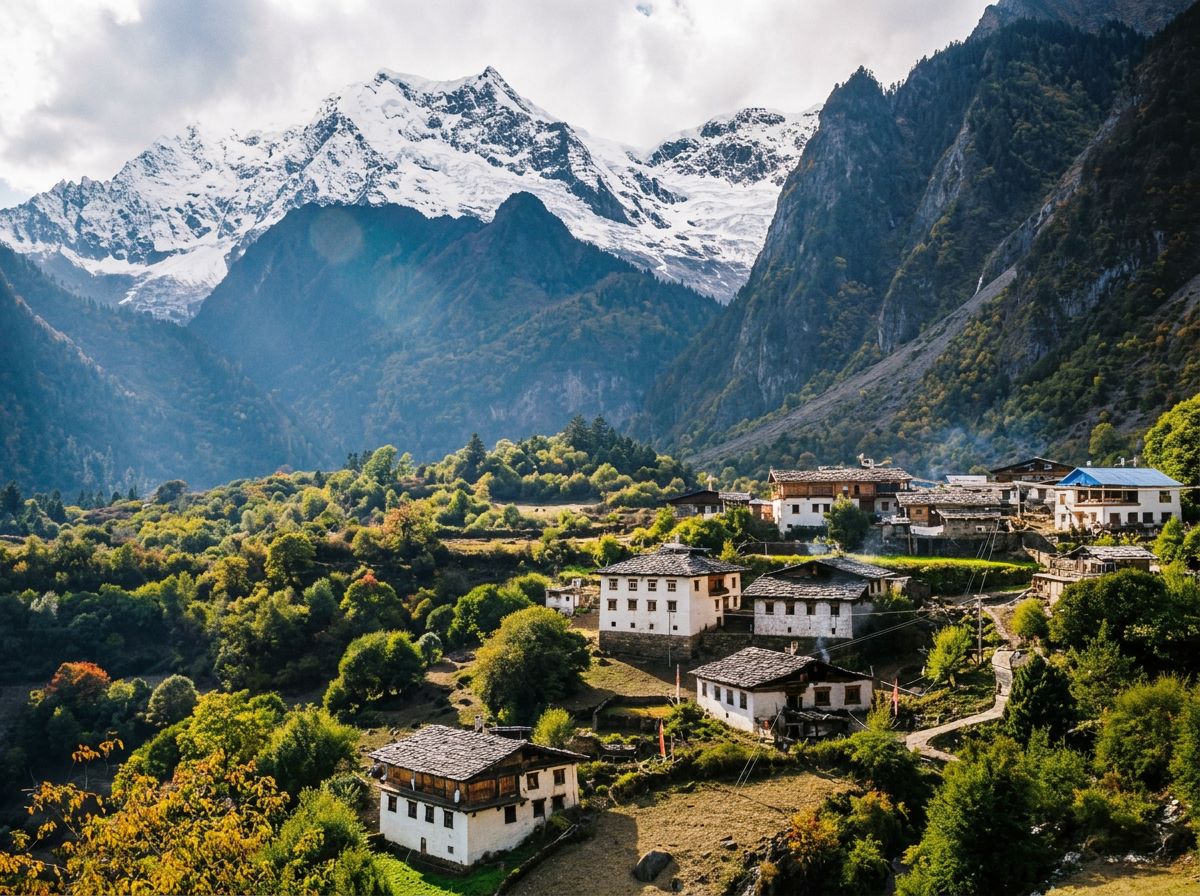
Глубоко в горах северо-западного Юньнаня деревня Юбэн разделена на верхнюю и нижнюю части, каждая из которых имеет разный уровень доступности. Новая горная дорога теперь соединяет Нижний Юбэн с близлежащим городом Сидан, позволяя шаттлам и автомобилям добраться до деревни напрямую. Чтобы добраться до Верхнего Юбэна, все еще требуется крутой подъем пешком или верхом на лошади, что сохраняет эту зону гораздо более тихой, чем нижняя деревня.
Снежную гору Мэйли доминирует в пейзаже на протяжении всего похода, хотя облака часто скрывают ее вершины. Местные жители считают гору священной, и паломники до сих пор проходят по этим же тропам.
Физические усилия здесь сочетаются с тем, чего не предлагают другие походы в этом списке: живым паломническим маршрутом, а не просто пейзажами. Большинство маршрутов занимают три-четыре дня и включают боковой маршрут к точке обзора ледника над деревней. Мулы доступны для перевозки снаряжения для тех, кто хочет путешествовать налегке.
Поход из Канаса в Хэму
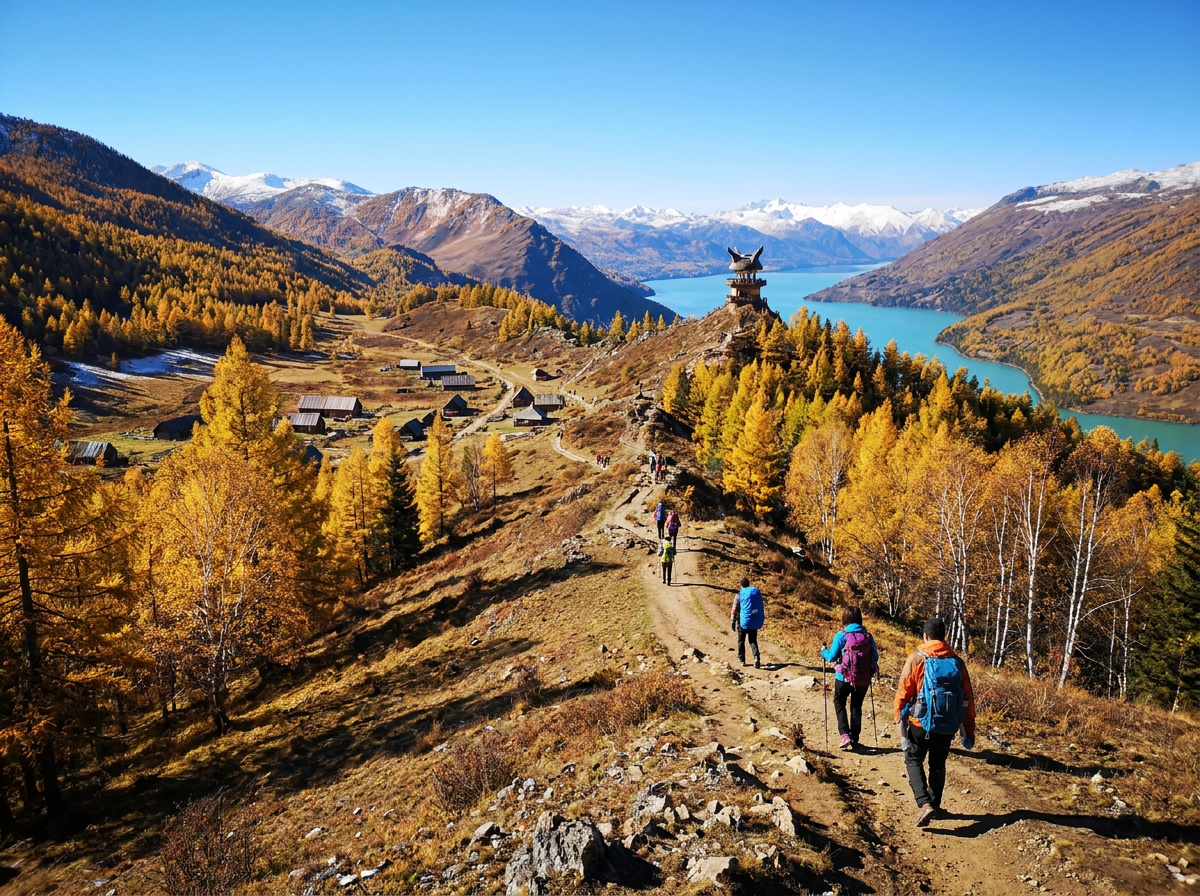
Это путешествие соединяет два отдаленных поселения в северном Синьцзяне, пересекая альпийские луга, березовые леса и речные долины вблизи границ с Казахстаном, Россией и Монголией. Мало кто из туристов за пределами Китая знает об этом маршруте, поэтому поток пешеходов остается низким даже в пиковые сезоны.
Тувинские и казахские кочевые общины живут вдоль частей тропы, и их деревянные хижины иногда предлагают базовое размещение для туристов. Дикие цветы цветут в июле и августе, добавляя красок зелено-коричневому ландшафту.
Логистика является главным вызовом на этом маршруте из-за его изолированности. Чтобы добраться до начала, нужно лететь в Урумчи, а затем ехать на машине. Туристы должны собирать вещи с учетом внезапных изменений погоды, так как условия могут быстро меняться на таких высотах.
Поход к горам Сигунян
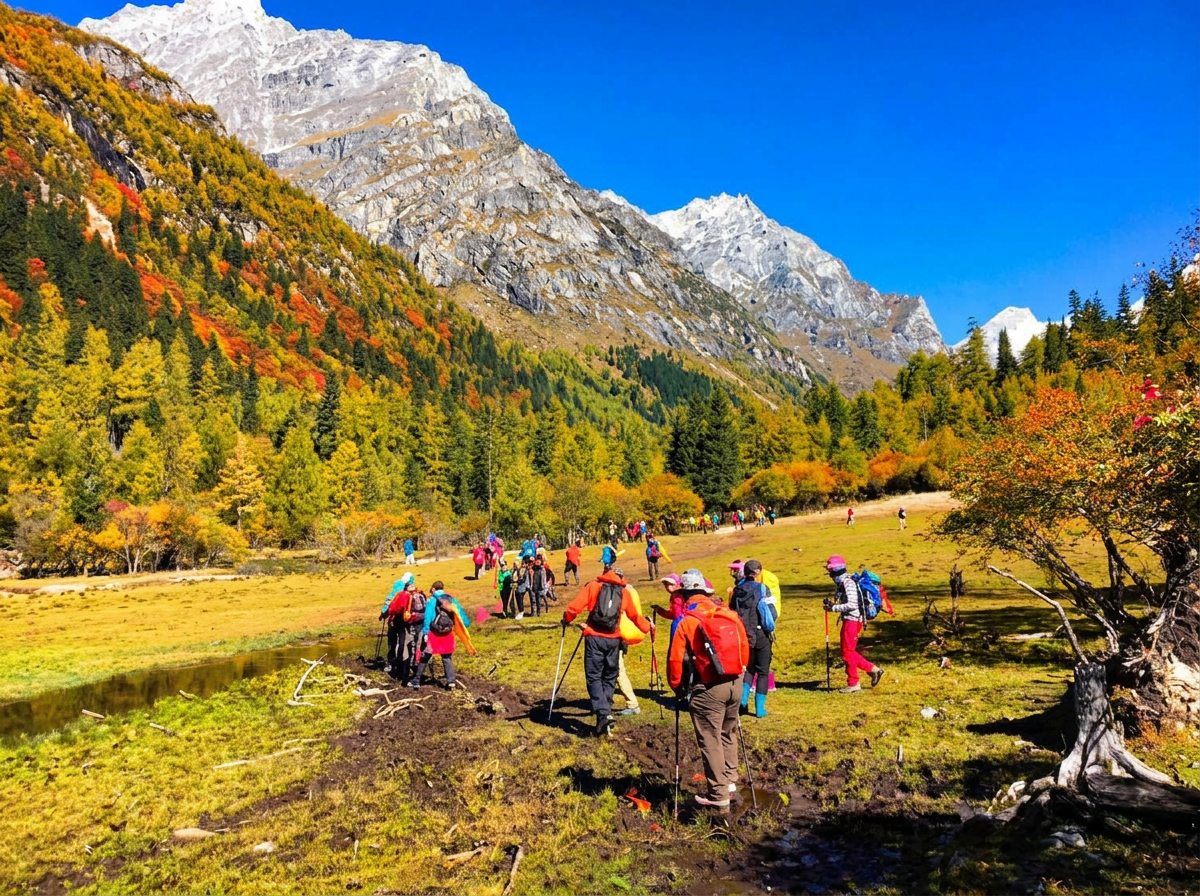
На западе Сычуани гора Сигунян (Гора четырех сестер) предлагает несколько маршрутов для пеших прогулок разной сложности. Самый сложный многодневный маршрут ведет путешественников через высокогорные перевалы на высоте более 4000 метров, извиваясь через ледниковые долины и мимо бирюзовых озер.
Тибетская буддийская культура видна повсюду: от молитвенных флагов на горных перевалах до небольших монастырей в боковых долинах. Яки часто пасутся в нижних лугах, иногда перекрывая путь и удивляя туристов.
Этот поход физически сложен, поэтому акклиматизация имеет решающее значение перед подъемом на большие высоты. Большинство туристов нанимают местных гидов, которые хорошо знают местность, так как выше границы леса тропы слабо обозначены. Даже летом погода в горах может быстро меняться.
Дикая Великая Китайская стена
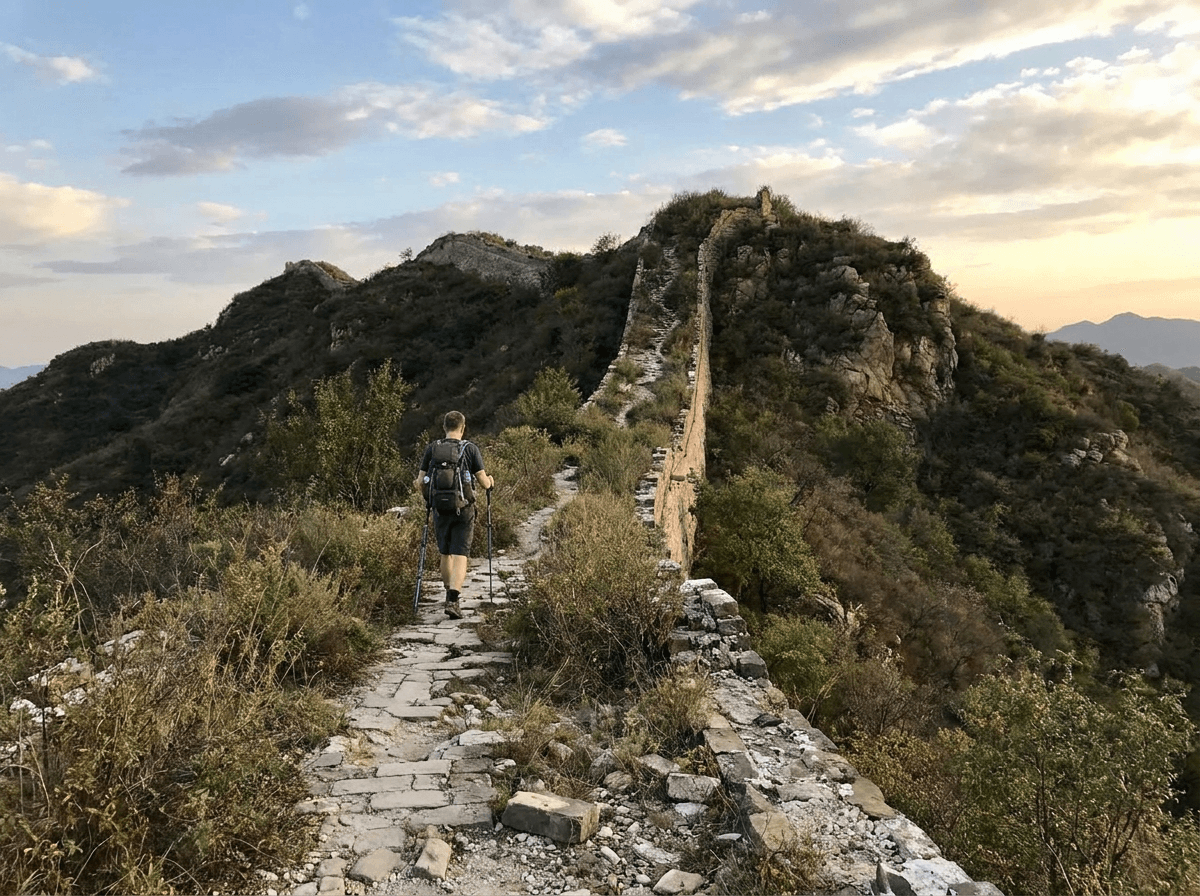
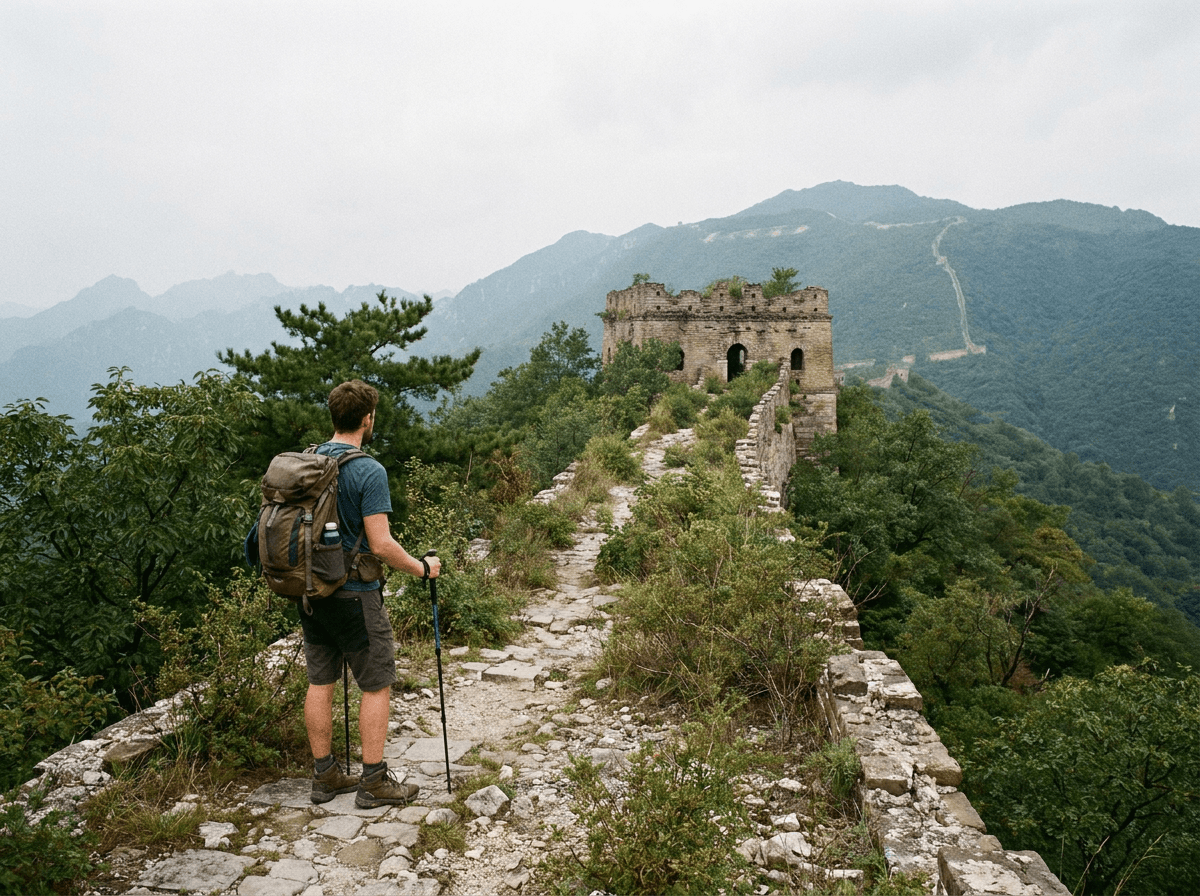
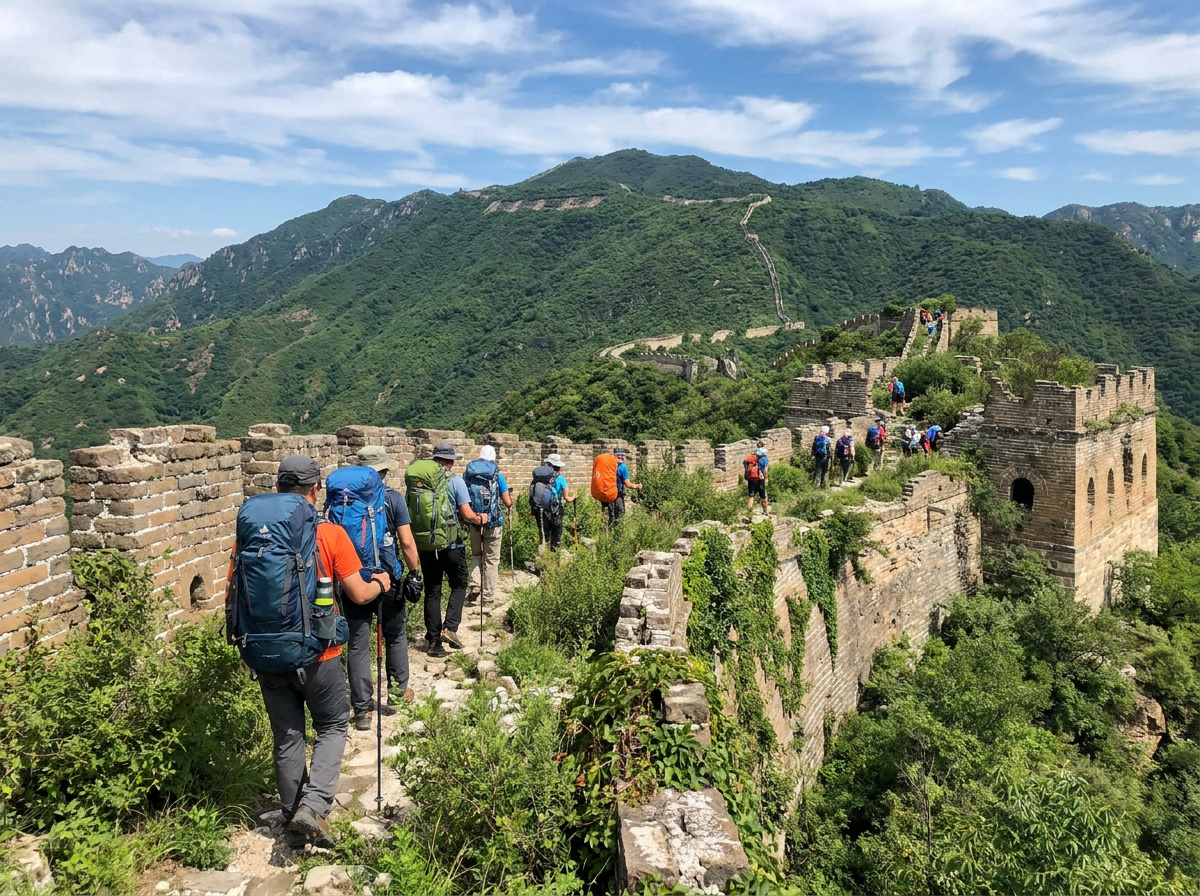
В районе Цзянькоу участки Великой Китайской стены остались невосстановленными, разрушаясь на кирпичи и обломки вдоль хребта, который тянется к Цзиньшанлину. Это многодневное путешествие следует по первоначальному пути стены, избегая ухоженных и переполненных туристами участков вблизи Пекина.
Крутые, неровные каменные ступени проверяют равновесие туристов, а в некоторых местах требуется перелезать через руины наблюдательных башен. Тропу окружают лесистые горы, а на более уединенных участках других посетителей почти нет.
Это единственный маршрут в списке, где сам рельеф насчитывает несколько столетий, а не просто является живописным. Шагая по вековым камням, а не по современной тропе, каждый шаг обретает дополнительный вес. Гиды, знакомые с этими невосстановленными участками, помогают туристам перемещаться безопасно, так как в некоторых местах опора под ногами действительно ненадёжна.
Планирование многодневного похода в Китае
Выбранный сезон значительно влияет на впечатления от этих многодневных троп. Весна и осень обычно приносят ясное небо и стабильную погоду, тогда как летом на южных маршрутах, таких как Тигриный скачок и Юбэн, идут сильные дожди. Зимой высокогорные перевалы в большинстве районов закрыты.
Высота над уровнем моря влияет на несколько этих маршрутов сильнее, чем ожидают случайные туристы. Как Сигунян, так и часть маршрута от Канаса до Хему поднимаются значительно выше 3000 метров, поэтому акклиматизация важнее, чем просто физическая форма.
Требования к разрешениям и гидам различаются в зависимости от места. Походы в отдаленных районах вблизи границ или в тибетских регионах часто требуют дополнительных документов, которые следует оформить заранее через лицензированное агентство. Ранняя проверка этих требований предотвращает задержки, особенно на многодневных маршрутах с плохим мобильным сигналом или ограниченным доступом к экстренным службам.
Заключение
Лучшие многодневные пешие маршруты Китая предлагают больше, чем просто фотогеничные виды. Они пересекают одни из самых изолированных и суровых ландшафтов страны, связывая туристов с окружающей средой и сообществами, которые остаются недоступными для большинства путешественников. От крутых скал Тигриного скачка до выветренных камней необитаемой Великой Китайской стены каждый путь рассказывает уникальную историю геологического и исторического развития страны. Те, кто тщательно планирует свои действия с учетом высоты, погоды и разрешений, найдут приключение, которое может конкурировать с лучшими местами для пеших прогулок в мире.
Часто задаваемые вопросы
Сложно ли ходить по горам в Китае?
Сложность варьируется. Маршруты вроде Ущелья прыгающего тигра более доступны благодаря гостевым домам, в то время как треки в Сигуняне или к Юбэну требуют хорошей физической формы и акклиматизации из-за высоты.
Нужны ли гида для походов в Китае?
В отдаленных регионах, особенно вблизи границ или в тибетских зонах, часто требуются лицензированные гиды и специальные разрешения. Это также повышает безопасность на маршрутах с плохой маркировкой.