Uluslararası gezginler genellikle Çin'in Ulusal Yeni Yıl ve Orta Sonbahar Festivali gibi büyük resmi tatillerine odaklanır. Ancak, ülkenin en canlı ve unutulmaz yerel kutlamalarından bazıları bu küresel ilgi odağından oldukça uzakta gerçekleşir. Bu etkinlikler, belirli etnik azınlık gruplarının ve bölgesel kültürlerin geleneklerine derinden kök salmıştır. Ana akım seyahat rehberleri, Çin'de sunulan en renkli ve sürükleyici kültürel deneyimlerden bazılarını sunmalarına rağmen bu festivalleri nadiren vurgular. Bu makale, bir gezi planlanmaya değer birkaç yerel Çin festivalini öne çıkarır. Görsel şovları, kültürel derinlikleri ve ziyaretçilere gösterilen samimi misafirperverlikleri nedeniyle seçilmiştir. Her kutlama, Çin'in etnik ve bölgesel çeşitliliğine benzersiz bir bakış sunar.
Dai Su Sıçratma Festivali
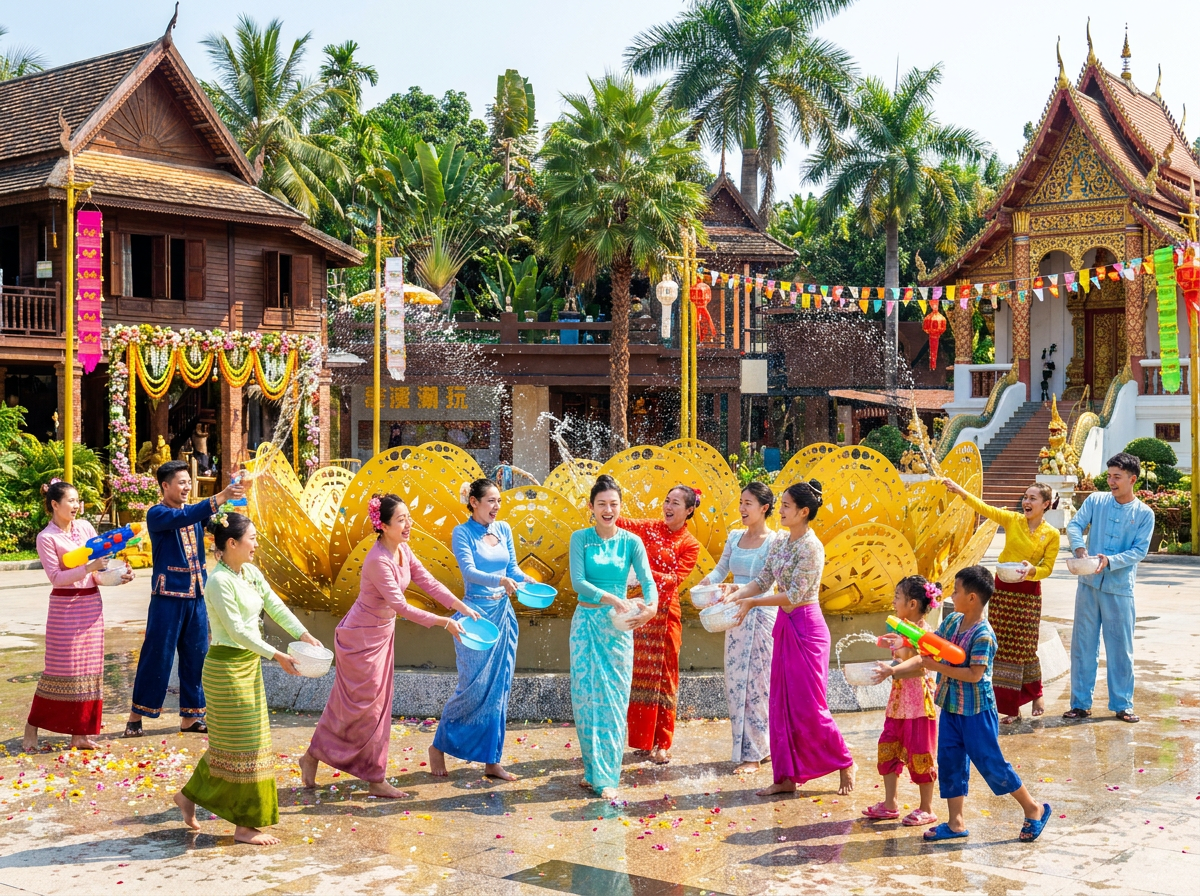
Her yıl, güney Yunnan eyaletinin Xishuangbanna bölgesi, Dai etnik grubu geleneksel Yeni Yıllarını kutlarken bir dönüşüm geçirir. Sokaklar kovalar, hortumlar ve su tabancalarıyla dolarken, kutlamalar başladığında kuru kalmak imkansız hale gelir. Su sıçratma eylemi, şanssızlıkların yok edilmesi ve gelecek yıl için bereketlerin verilmesi anlamına gelen derin bir sembolik taşıyıcılığı vardır.
Bu festival genellikle geleneksel Dai takvimini takip ederek Nisan ortalarında gerçekleşir. Su savaşlarının yanı sıra, kutlama Lancang Nehri'nde ejderha tekne yarışları ve yerel tapınaklarda düzenlenen geleneksel dans gösterilerini içerir.
Fiziksel katılım üzerine kurulu Çin'deki yerel festivaller arasında, bu etkinlik ciddi ritüellerden ziyade saf neşesiyle öne çıkar. Ziyaretçilerin tamamen ıslanmaları beklenmelidir, bu nedenle telefonlar ve kameralar için su geçirmez çantalar paketleme listesinde isteğe bağlı değil, zorunlu bir öğedir. Bölgesel başkent Jinghong'daki oteller kutlama sırasında hızla dolmaktadır, bu nedenle konaklamayı çoktan önceden ayırtlamak önemli bir fark yaratır.
Yi Halkının Meşale Festivali
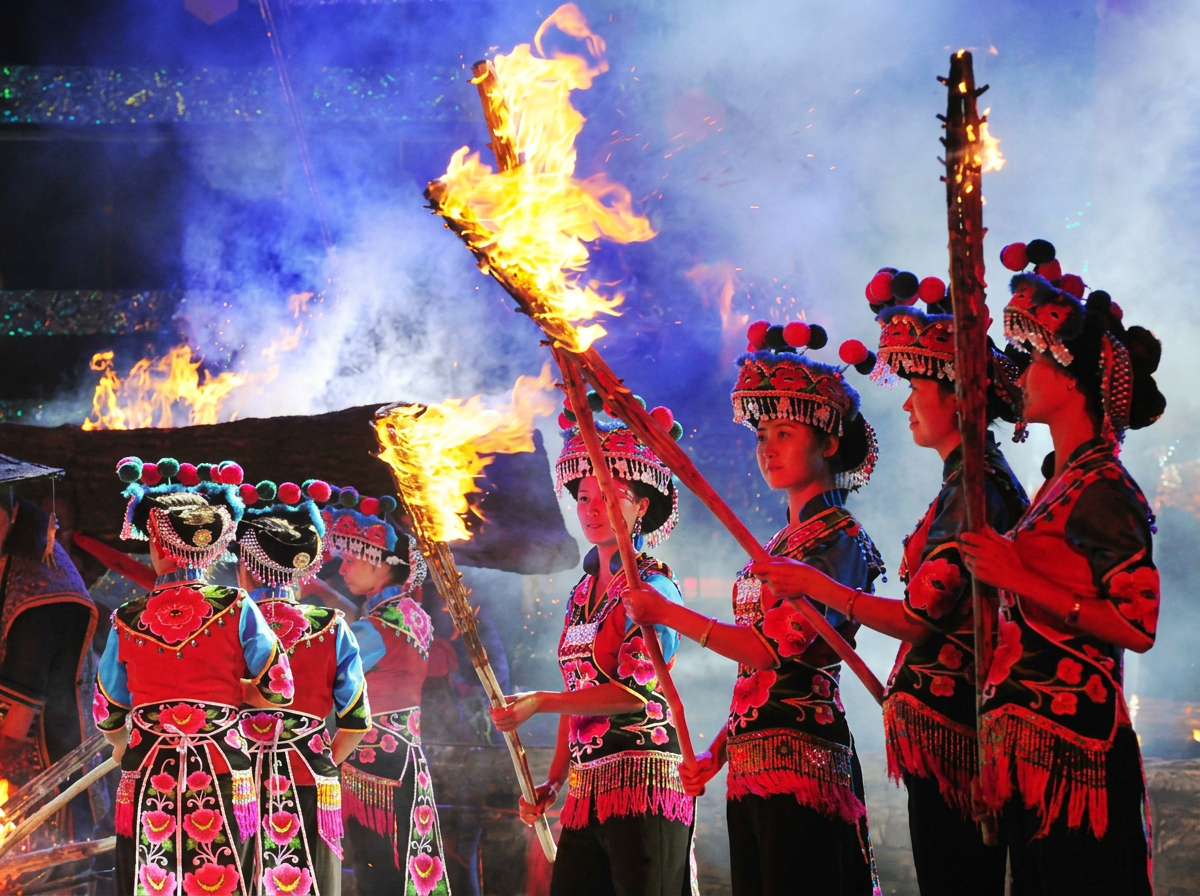
Yunnan, Sichuan ve Guizhou eyaletleri boyunca uzanan Yi etnik grubu, her yaz Meşale Festivalini kutlar. Etkinlik, meşalelerle aydınlatılan dağ köylerinden geçişler, ateş çukurları ve güreş müsabakalarını içerir. Geleneksel olarak festival, tarımsal takvimde bir dönüm noktasını işaret eder ve yıkıcı böcekleri yenmek için ateş kullanma efsaneleriyle bağlantılıdır.
Akşam geçişleri, festivalin en görsel olarak çarpıcı anını oluşturur. Köylüler, aydınlatılmış meşaleleri tarlalar ve sokaklardan geçirerek, karanlık çöktüğünde tepeler boyunca uzanan uzun alev hatları oluşturur. Gündüz saatleri, çevredeki köylerden kalabalıklar çeken boğa güreşi ve güreş yarışmalarıyla doludur.
Bu kutlama, özellikle gece meşale geçişleriyle zamanlamasını eşleştiren ziyaretçiler için Çin'deki en görsel olarak dramatik yerel festivallerden biridir. Daha küçük Yi köylerine giden kırsal yollar, yerel rehberlik olmadan zorlu olabilir. Bu nedenle, festival döneminde bağımsız seyahatten ziyade organize bir tura katılmak genellikle daha pratik bir seçenek olarak ortaya çıkar.
İç Moğolistan'da Naadam
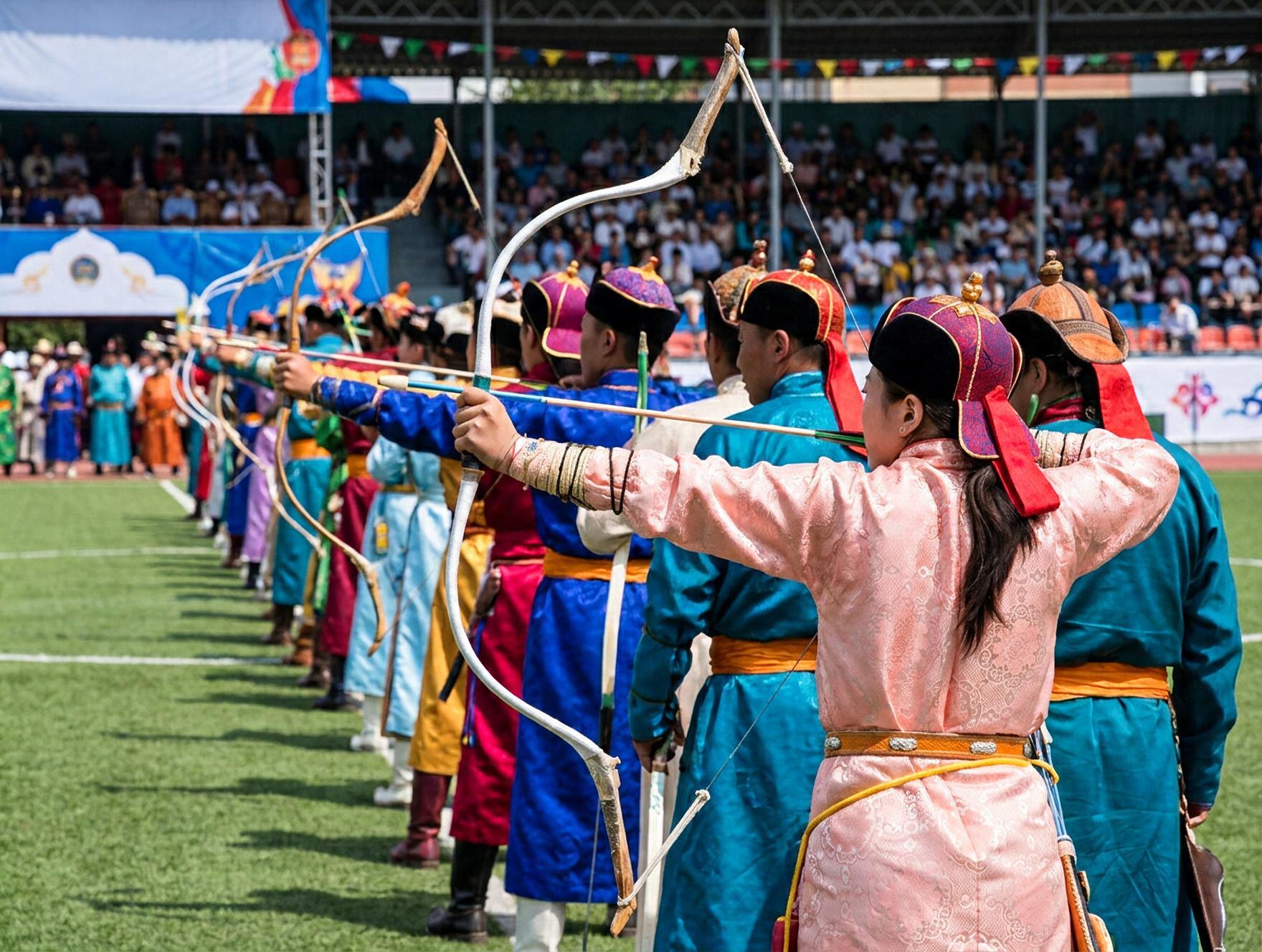
Naadam, Moğol kültürünün geleneksel "üç erkek oyunu"nı bir araya getirir: güreş, at yarışı ve okçuluk. İç Moğolistan, her yaz kendi bölgesel kutlamalarına ev sahipliği yapar. Bu etkinlikler, Moğolistan'da düzenlenen daha büyük ulusal festivalden farklıdır ve otlakların her yerinden çoban topluluklarını çeker.
Güreş müsabakaları dolu arenalarda gerçekleşir; yarışmacılar geleneksel kıyafetler giyer ve her müsabakadan önce törensel hareketler yaparlar. At yarışları açık otlaklar boyunca uzanır ve genellikle genç binicilerin küçük yaşlardan itibaren yarıştığı önemli mesafeleri kapsar.
Naadam, göçebe tarihe dayanan Çin'in yerel festivalleri arasında öne çıkar ve yüzyıllardır devam eden çobanlık geleneklerine benzersiz bir pencere sunar. Etkinlik sırasında Hohhot'a veya daha az bilinen otlak yerleşim yerlerine yapılan bir yolculuk, gezginlerin geleneksel ger kamplarında çoban ailelerinin yanında konaklamasına olanak tanır; bu da kısa günlük gezi etkinliklerinin nadiren sunduğu derinlemesine bir konaklama deneyimi sağlar.
Miao Kardeşlerin Yemek Festivali
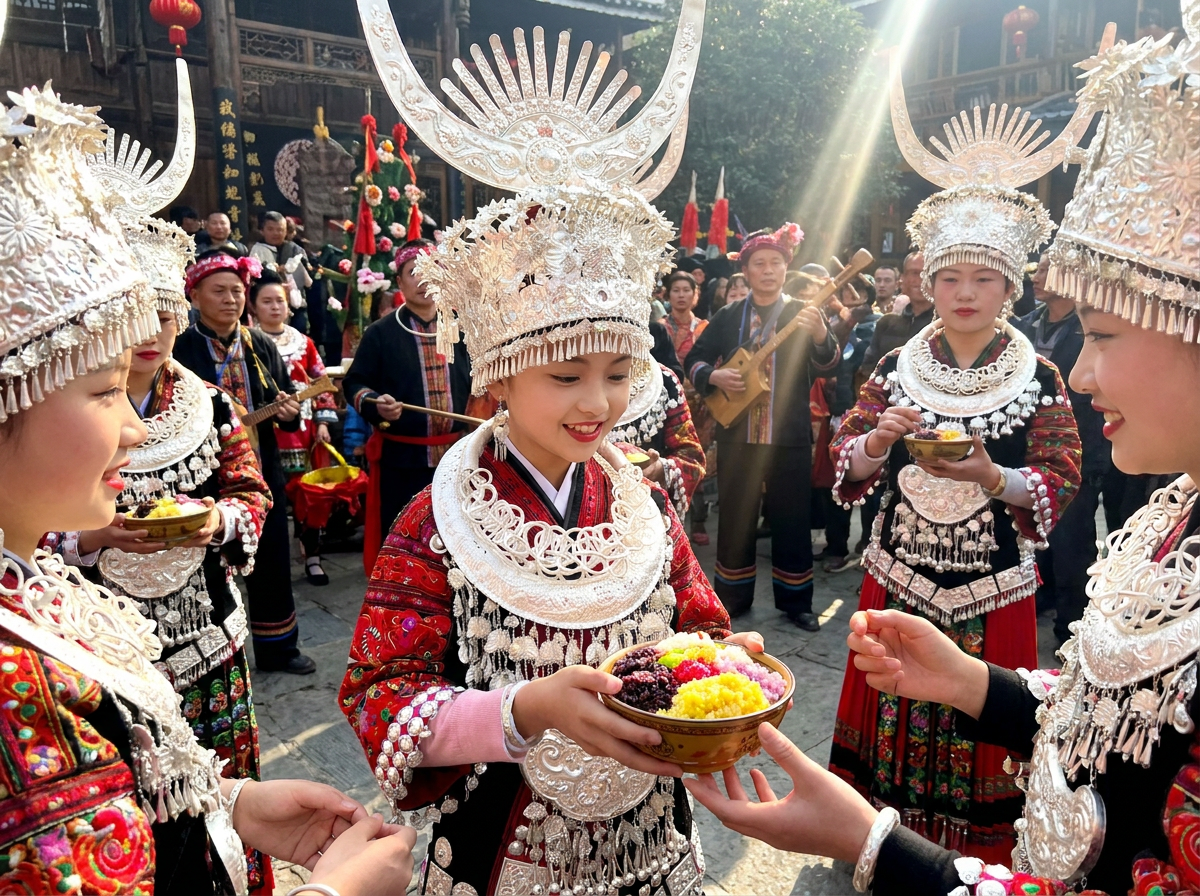
Guizhou eyaleti, öncelikle Taijiang İlçesinde düzenlenen Miao Kardeşlerin Yemek Festivali ile ülkenin en canlı etnik kutlamalarından birini sunar. Genç kadınlar, çeşitli tonlarda boyanmış yapışkan pirinç yemekleri hazırlar; her renk, nesiller boyu aktarılan nişanlık ritüelleriyle bağlantılı sembolik bir anlam taşır.
Festivalin görsel karakteri, karmaşık gümüş takılar ve nakışlı giysilerle tanımlanır. Miao kadınları, aileleri içinde miras kalan ince işçilikli gümüş başlıklar ve süsler takar; bazı parçalar birkaç kilogram ağırlığında olup, birçok nesil boyunca birikmiş önemli bir zanaatkârlık yatırımı yansıtır.
Bu etkinlik, fiziksel yarışmalar yerine tekstil ve metal işçiliği sanatına vurgu yaparak Çin'deki yerel festivaller arasında kendisini ayırt eder. Performanslar, geleneksel lusheng boru müziğini ve senkronize formasyonlarda gerçekleştirilen grup danslarını içerir. Etnik azınlık kültürü ve zanaatkârlık becerilerine giriş arayan ziyaretçiler için, bu özel festival mevcut en iyi fırsatları sunar.
Losar: Tibet Yeni Yılı
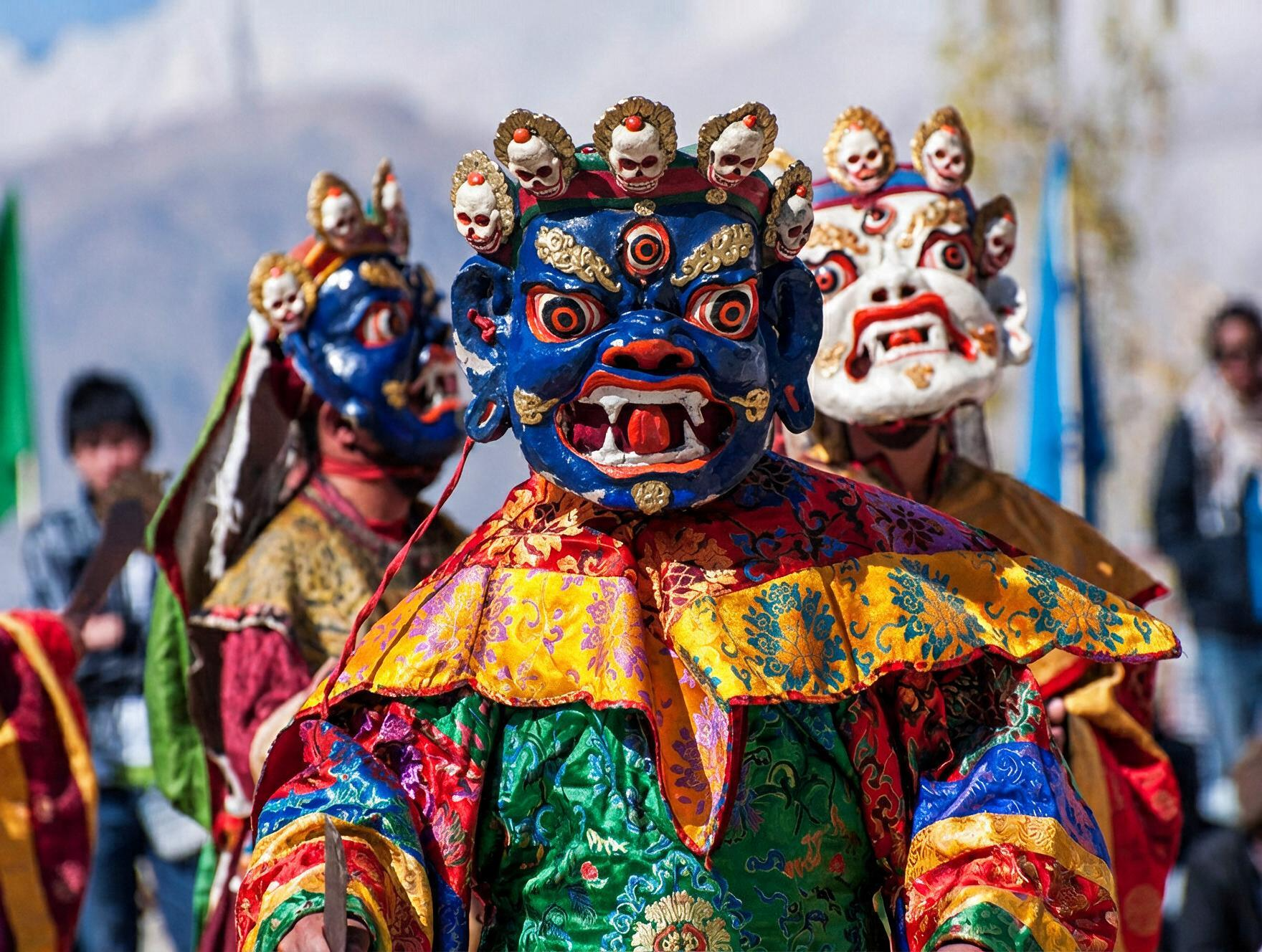
Losar, Tibet Yeni Yılı'nın başlangıcını simgeler ve genellikle Tibet takvimine göre Şubat veya Mart ayında gerçekleşir. Tibet genelindeki manastırlar, koruyucu tanrıları temsil eden süslü kostümlerle gerçekleştirilen rahip danslarını içeren karmaşık törenler düzenler.
Aileler, Losar'a hazırlanmak için haftalar harcar; evlerini titizlikle temizler ve önümüzdeki yıl için refahı simgeleyen özel yemekler hazırlar. Bu dönemde manastırları ziyaret etmek, yılın geri kalanında genellikle büyük dini etkinliklere ayrılan törenleri gözlemlemek için nadir bir fırsat sağlar.
Çin'deki derin dini anlamı olan yerel festivaller arasında Losar, kamusal gösteri odaklı kutlamalara kıyasla ziyaretçilerden daha fazla hassasiyet gerektirir. Gezginler, bu festivalin eğlence amaçlı tasarlanmış bir turistik cazibe merkezi olmaktan ziyade kutsal bir gözlem ağırlığı taşıdığını göz önünde bulundurarak, manastırların yakınında uygun davranışları önceden araştırmalıdır.
Çin'deki Yerel Festivaller Etrafında Bir Yolculuk Planlamak
Zamanlama, bu kutlamalar etrafında seyahat organize ederken planlamanın neredeyse her yönünü etkiler. Losar gibi ay takvimi festivallerinin tarihleri her yıl değiştiğinden, kesin programı birkaç ay öncesinden teyit etmek, mevcut bir seyahat planıyla çakışmaları önlemeye yardımcı olur.
Çin'de yerel festivallere ev sahipliği yapan daha küçük kasabalarda konaklama olanakları hızla dolmaktadır; sınırlı otel kapasitesi, festival haftalarında ani ziyaretçi akınıyla başa çıkmakta zorlanmaktadır. Belirli bölgeler hakkında bilgiye sahip yerel rehberlerle veya acentelerle iletişime geçmek, standart rezervasyon platformlarının ele alamadığı lojistik zorlukları genellikle çözer.
Yerel geleneklere uyum, bazı festivallerde diğerlerine göre daha fazla önem taşır. Su Fırlatma Festivali gibi etkinlikler misafirlerden coşkulu katılım beklerken, Losar gibi dini törenler daha sessiz ve saygılı bir katılım gerektirir. Her festival için özel etiketi önceden öğrenmek, ziyaretçilerin törenlere istemeden müdahale edebilecek eylemlerden kaçınmasına yardımcı olur.
Sonuç
Çin'deki en olağanüstü yerel festivaller, standart turistik rotaların sıklıkla gözden kaçırdığı ülkenin bir boyutunu ortaya çıkarır. İster Xishuangbanna'nın suya batmış sokakları olsun, ister Yi topluluklarının meşalelerle aydınlatılmış yamaçları, her etkinlik bölgesel ve etnik gelenekler üzerine benzersiz bir perspektif sunar. Seyahatlerini belirli tarihler ve yerler etrafında organize etmeye hazır olan ziyaretçiler, geleneksel gezgincilikten tamamen farklı hissettiren deneyimlerle karşılaşacaktır. Çin'in kültürel çeşitliliğiyle daha derin bir bağ kurmak isteyenler için, seyahat planı oluştururken bu bölgesel kutlamalara dikkatle yaklaşmak gerekir.