Most travelers picture the Great Wall or the terracotta warriors when they think of China. Few think about water. Yet some of the most beautiful lakes in China sit far from the usual tourist circuit, tucked into deserts, alpine valleys, and borderland provinces most visitors never reach. These lakes rival anywhere else on earth for color and scale, but they rarely appear on standard itineraries. This article introduces several beautiful lakes in China that deserve far more attention than they currently receive. Each one offers a distinct landscape, shaped by altitude, mineral content, and the surrounding terrain.
Sayram Lake
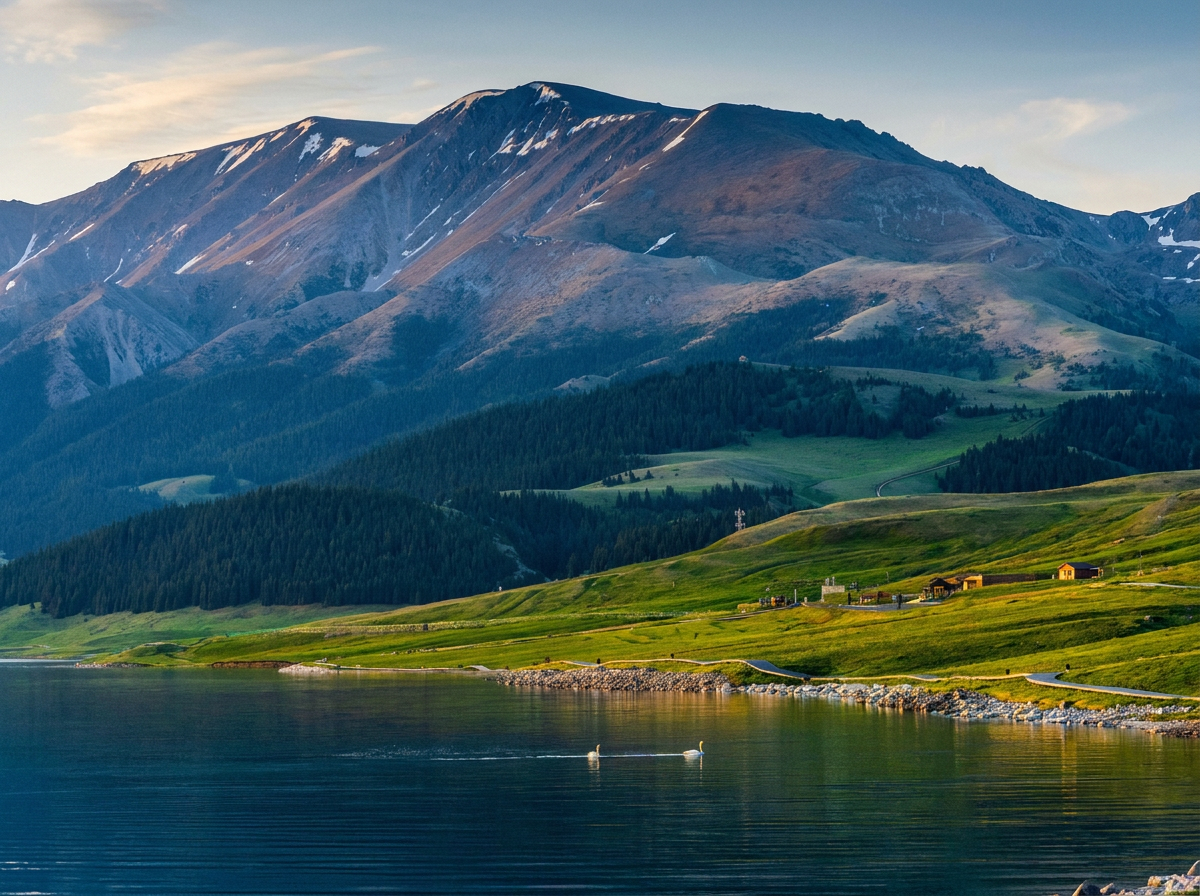
Sayram sits high in the mountains of northern Xinjiang, ringed by snow-capped peaks and alpine meadows. The lake's deep blue color shifts with the weather, turning almost turquoise on clear days and steel gray under cloud cover. Locals call it the last teardrop of the Atlantic, since some geographers believe moisture from that distant ocean once fed the region's climate.
Grasslands surrounding the lake host nomadic herders during summer months, and visitors can often see yurts dotting the hillsides near the shore. Wildflowers bloom across the meadows from June through August, adding color to an already striking scene.
Among the beautiful lakes in China worth the extra travel, Sayram ranks near the top for sheer remoteness. Reaching it requires a flight to Urumqi followed by several hours of driving, but the isolation keeps crowds thin even during peak season.
Karakul Lake
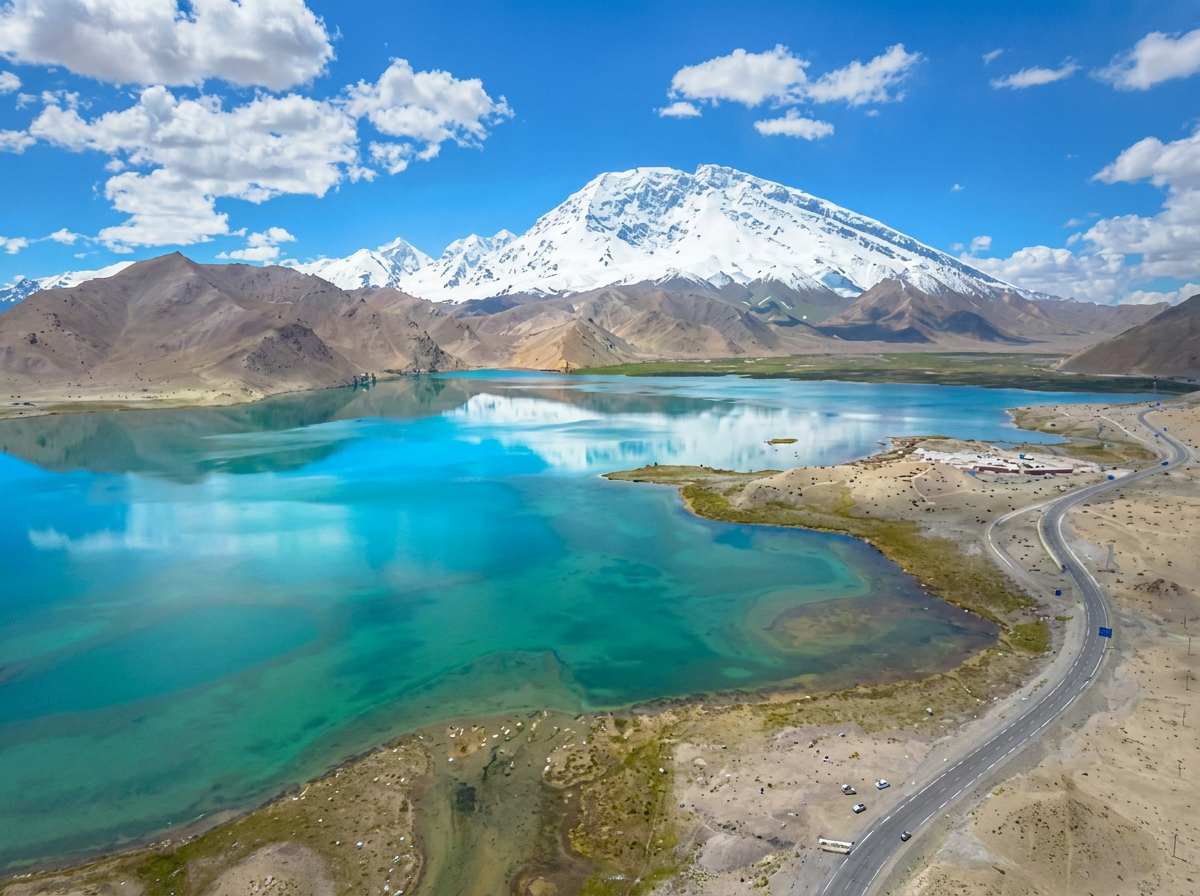
Karakul sits along the Karakoram Highway near the Pakistan border, at an altitude above three thousand meters. Snow-covered peaks, including Muztagata, reflect directly onto the water's still surface on calm days, creating a mirror effect that draws photographers from around the world.
The lake's name translates to black lake in several regional languages, though the water itself often appears a deep, clear blue rather than dark. Local Tajik and Kyrgyz communities live nearby, herding yaks and sheep across the surrounding high-altitude pastures.
Few travelers make it this far into western China, which keeps Karakul among the least visited beautiful lakes in China despite its dramatic scenery. Altitude sickness remains a real concern here, so travelers should acclimatize in nearby Kashgar before continuing toward the lake.
Lugu Lake
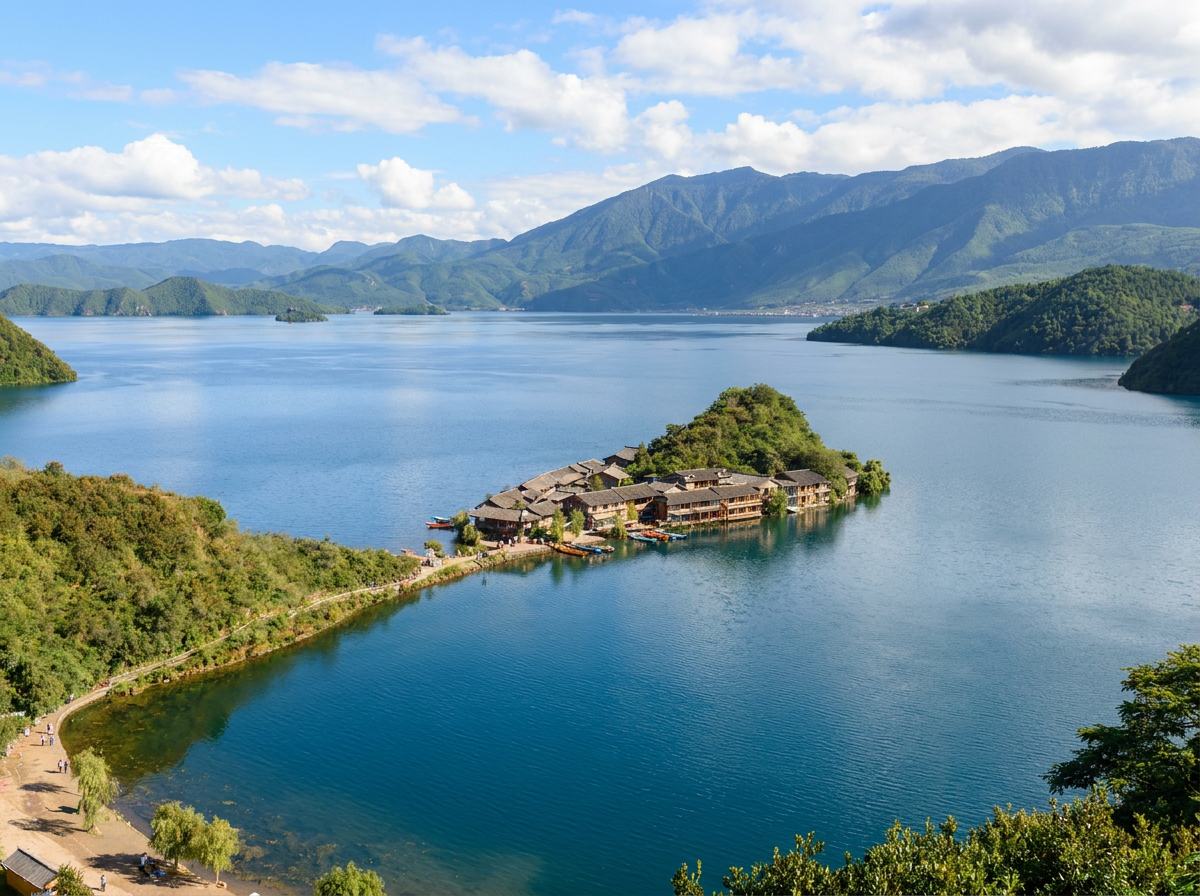
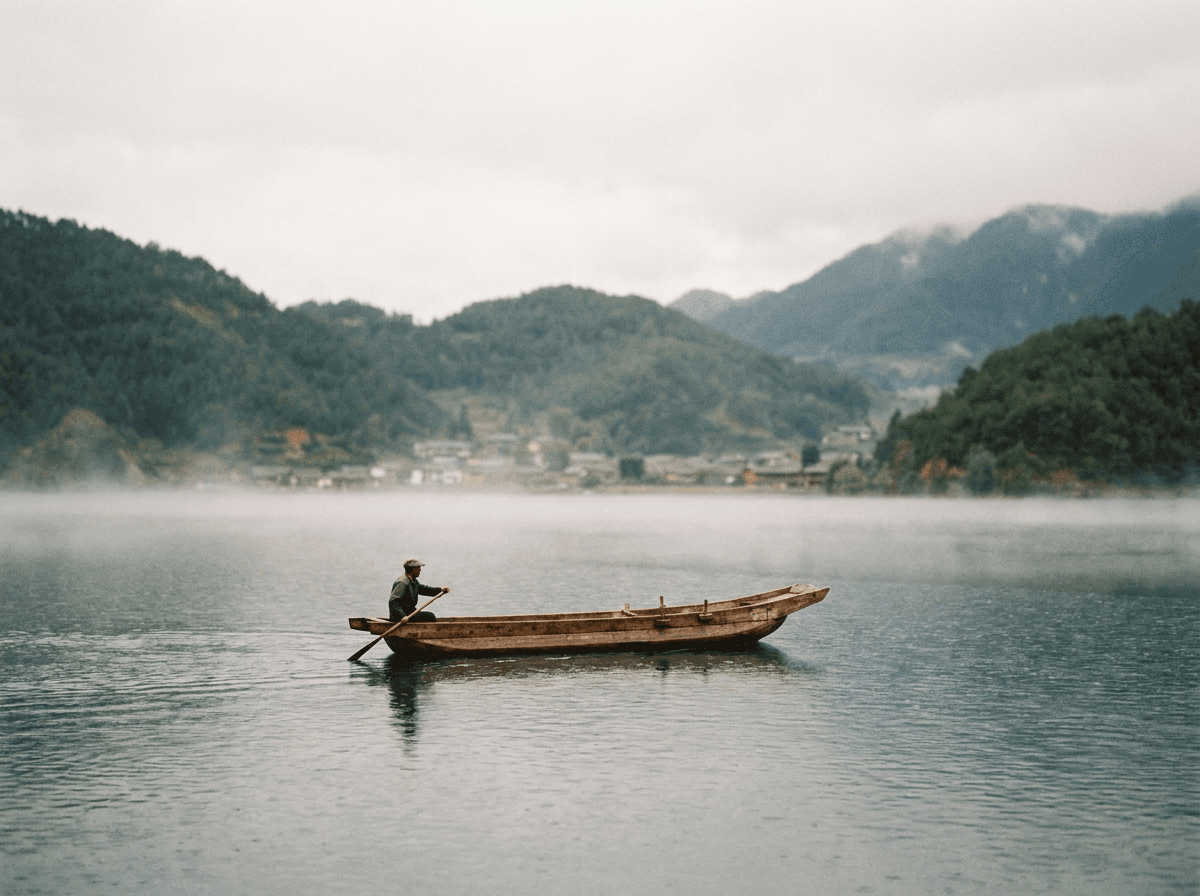
Lugu Lake straddles the border between Yunnan and Sichuan provinces, surrounded by pine forests and low mountains. The Mosuo people, known for their matrilineal culture, live in villages along the shore and still use traditional wooden canoes to move across the water.
Morning mist often settles over the lake's surface, lifting slowly as the sun rises over the surrounding hills. Small islands dot the water, some connected to the mainland by narrow causeways that flood during the rainy season.
This lake ranks among the more culturally rich beautiful lakes in China, since visitors can combine scenic boat rides with genuine insight into Mosuo traditions. Staying overnight in a village guesthouse offers a slower, more immersive alternative to the typical day-trip itinerary.
Basong Tso
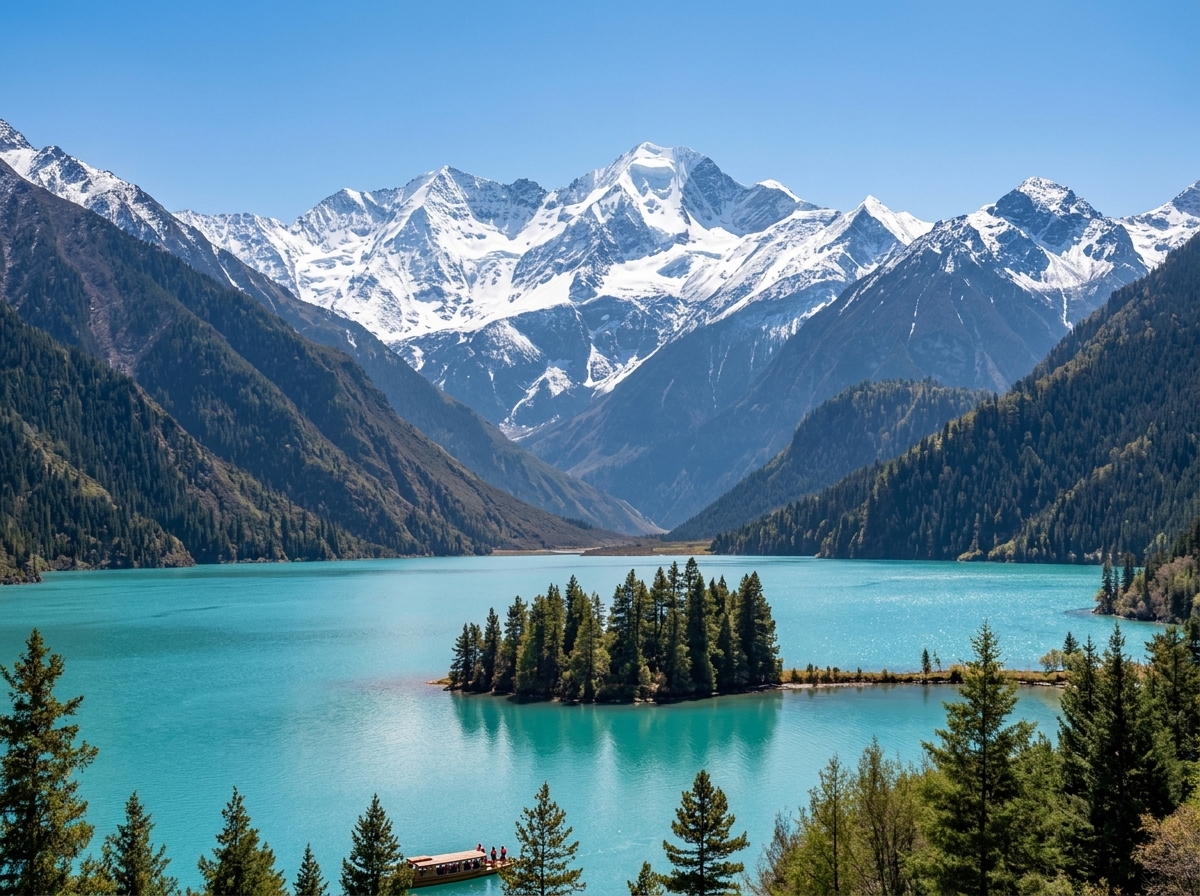
Basong Tso sits in eastern Tibet, surrounded by dense forest and snow-capped mountains that rise sharply from the shoreline. A small monastery occupies an island near the center of the lake, connected to the mainland by a narrow wooden bridge that sways slightly underfoot.
The lake's color shifts between deep green and blue depending on the season and the angle of sunlight. Autumn brings the most dramatic scenery, as surrounding forests turn gold and red against the water's cooler tones.
Basong Tso remains one of the lesser-known beautiful lakes in China, partly because reaching Tibet requires permits and additional travel planning. Visitors who make the effort typically describe the combination of forest, mountain, and water as unlike anything else they encountered in the country.
Bosten Lake
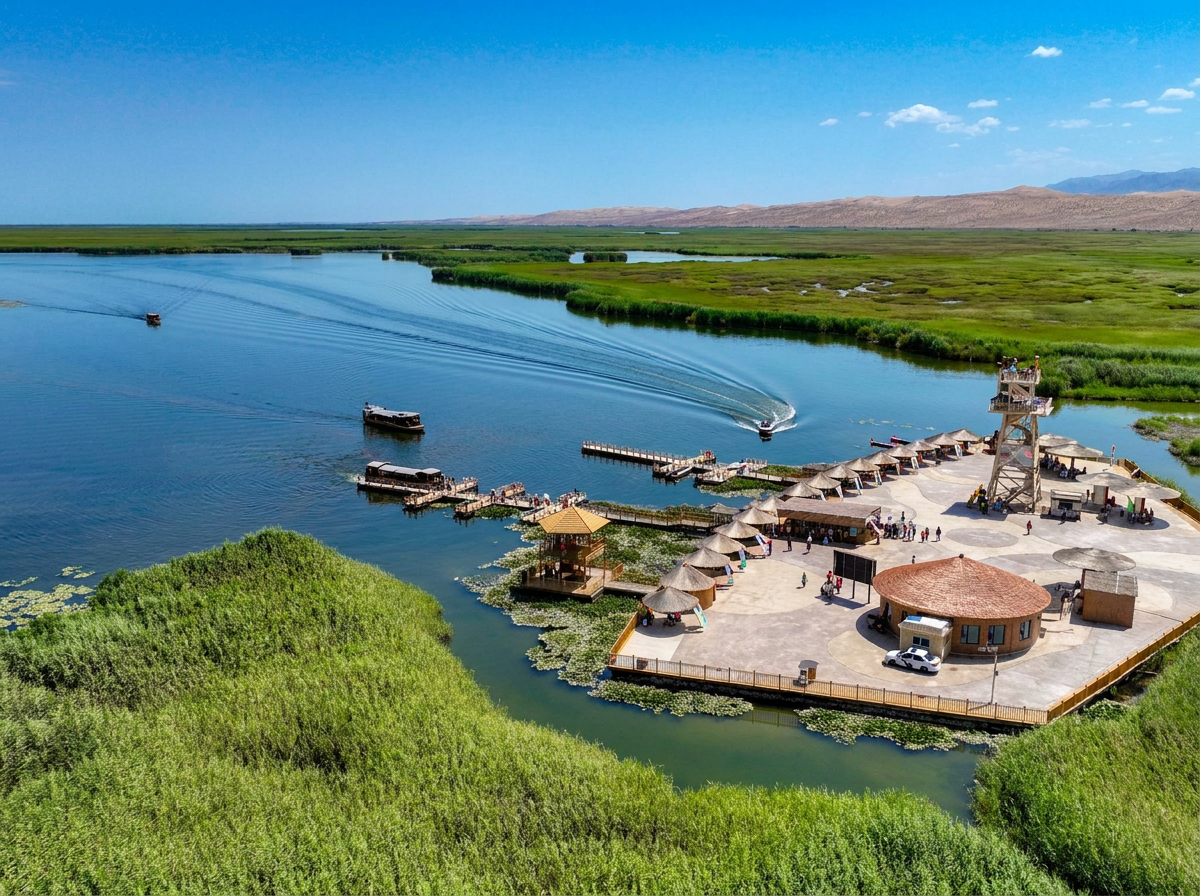
Bosten Lake, located in Xinjiang, ranks among the largest inland freshwater lakes in China, though few travelers outside the region know it exists. Reed marshes surround much of the shoreline, providing habitat for migratory birds that pass through during spring and autumn.
Local fishing communities still rely on the lake for their livelihood, and small boats dot the water during early morning hours. Sunset over Bosten turns the reeds a deep gold, creating a scene that feels far removed from China's more famous water attractions.
Bosten offers an easier introduction to the beautiful lakes in China found across Xinjiang, since it sits closer to Korla and requires less remote travel than Sayram or Karakul. Birdwatchers in particular find the marshland ecosystem worth the detour.
Planning a Visit to China's Hidden Lakes
Timing shapes the experience significantly at each of these locations. Summer offers the mildest weather at high-altitude lakes like Karakul and Sayram, while autumn brings the best color at Basong Tso and Lugu Lake. Winter closes some routes entirely due to snow and ice.
Altitude affects several of these beautiful lakes in China more than visitors expect. Karakul and Basong Tso both sit well above two thousand meters, so travelers coming from lower elevations should build in time to acclimatize before strenuous activity.
Permits matter for lakes located in Tibet or near international borders. Basong Tso requires a Tibet travel permit arranged through a licensed agency, while Karakul sits within a border region that occasionally requires additional documentation. Checking requirements early prevents delays once the trip begins.
Transportation to these lakes generally involves a flight to a regional hub followed by several hours of driving. Renting a car works in some regions, though hiring a local driver often proves more practical given unfamiliar roads and language barriers in remote areas.
Conclusion
China's most famous landmarks rarely include its lakes, yet these beautiful lakes in China offer some of the country's most striking and least crowded scenery. From the mirror-still waters of Karakul to the cultural richness of Lugu Lake, each destination rewards travelers willing to venture beyond the standard route. Visitors who plan around altitude, permits, and seasonal timing will find landscapes that feel genuinely undiscovered. For anyone seeking a quieter, more distinctive side of China, these lakes deserve a spot on the itinerary.