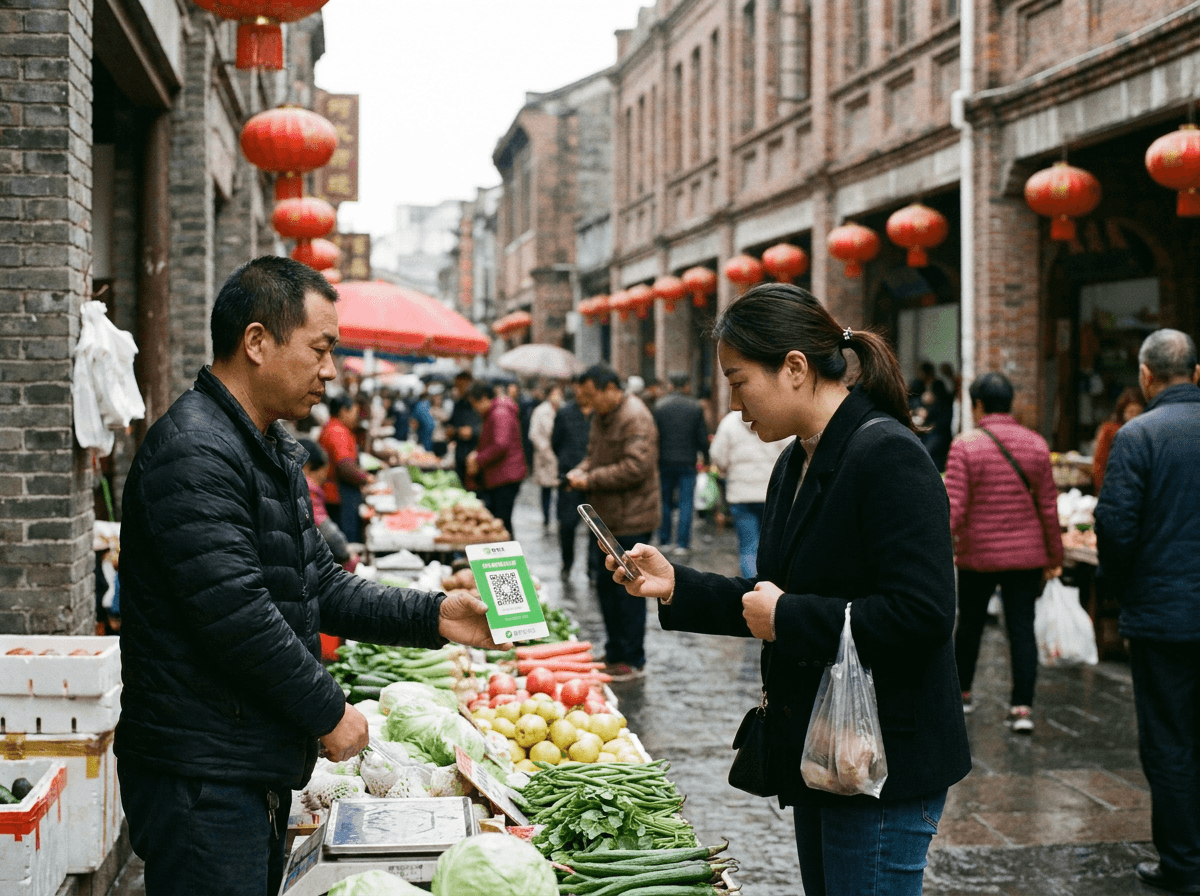
China packs deserts, tropical islands, and snow-capped plateaus into one set of borders. That diversity makes pinning down a single "best" time to visit nearly impossible. Weather that’s perfect for Beijing in April might ruin a trip to Yunnan, while the ideal season for Xinjiang bears little resemblance to Hainan’s. This guide breaks down the best times to visit key regions, helping travelers align itineraries with local seasons rather than guessing. Each area follows its own climate rules, shaped by latitude, altitude, and how close it sits to the coast.
Northern China and Beijing
Seasonal shifts are sharp in Northern China, making timing crucial. Summers get hot and humid, with Beijing temperatures regularly topping thirty degrees Celsius. Winters bring dry cold and occasional snow, plus strong winds that can make outdoor sightseeing uncomfortable.
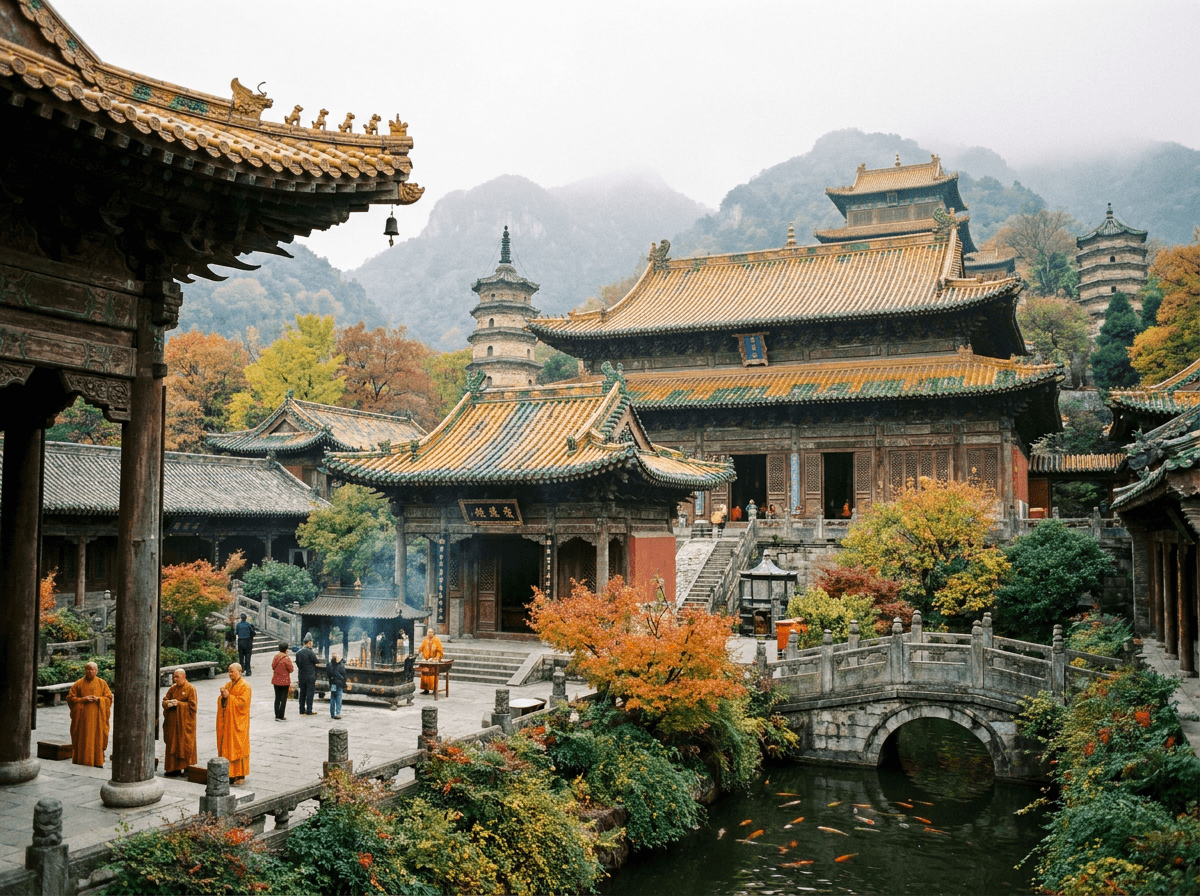
For most travelers, spring and autumn offer the best window. April and May bring mild temps and clearer skies—ideal for walking the Great Wall or exploring the Forbidden City without battling heavy crowds. September and October follow a similar pattern, featuring crisp air and comfortable daytime heat.
Autumn also has a practical upside. As summer humidity fades, air quality tends to improve, giving visitors better visibility at outdoor sites like Badaling or Mutianyu. If you’re combining sightseeing with hiking, aim for early autumn specifically; later months bring colder temperatures at higher elevations.
Winter still appeals to a niche group. Fewer crowds and lower hotel prices make late December through February attractive for budget-conscious visitors willing to bundle up. Ultimately, the best time to visit northern China depends on your tolerance for temperature extremes, since the region rarely offers a gentle middle ground.
Southwestern China: Yunnan and Guizhou
Yunnan’s varied elevation creates a patchwork of microclimates across the province. Lower valleys stay warm year-round, while higher areas near Shangri-La and Lijiang can turn cold even in summer. This variation means regional research is essential before locking in dates.
Spring stands out as the best time to visit for most itineraries. March through May brings wildflowers across the hillsides and comfortable daytime temps in most cities. Rainfall stays relatively low compared to summer, keeping mountain roads more reliable for travel.
Summer brings China’s rainy season to Yunnan and Guizhou, with afternoon downpours common in both provinces. Karst landscapes in Guizhou, including Getu Valley, can become muddy and slippery, which significantly affects hiking and other outdoor activities.
Autumn offers a strong secondary option. October and November bring drier conditions back to the region, along with golden foliage in higher elevations near Lijiang and Shangri-La. Winter remains mild in lower valleys but turns genuinely cold at higher altitudes, so check specific destination elevations before packing.
Tibet and the Western Plateau
Altitude dictates every seasonal decision in Tibet. Even in the height of summer, temperatures can shift drastically from day to night, meaning travelers must plan for both the weather and the physical toll of high elevation.
For most visitors, the window from May through September offers the best conditions. Mountain passes remain open, and roads are accessible. July and August provide the mildest overall temperatures, although occasional rain can sometimes hinder visibility at high-altitude sites.
Many roads across the plateau close during winter, and the extreme cold makes travel genuinely hazardous in remote areas. Some travelers still choose to visit Lhasa during these months. The city sits at a lower elevation than the surrounding mountain routes and experiences milder conditions compared to the wider region.
Acclimatization is essential regardless of the season. Spend several days in Lhasa before attempting any strenuous activity at higher elevations nearby. The ideal time to visit Tibet ultimately depends on balancing weather conditions with your personal tolerance for altitude and physical exertion.
Southern China: Guangxi and Hainan
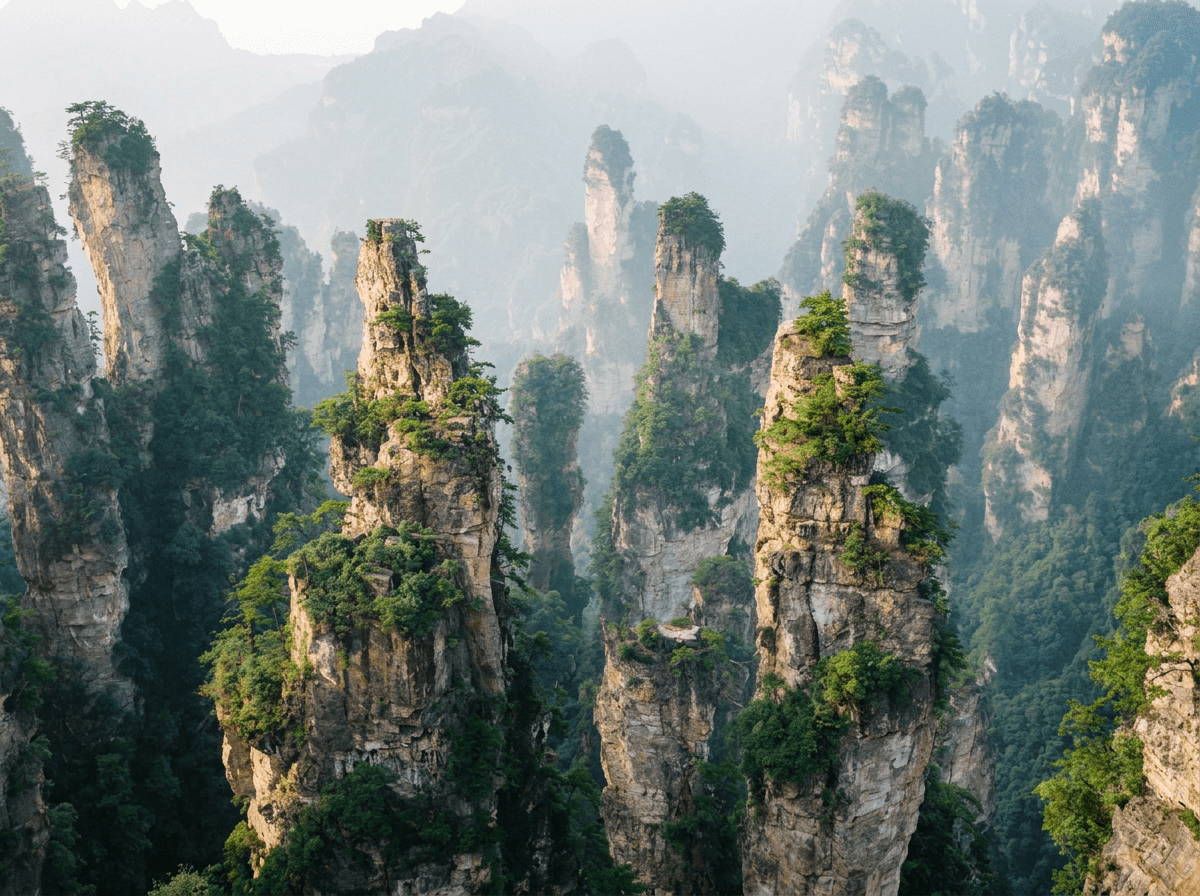
Guangxi’s karst landscapes, particularly around Yangshuo and Guilin, remain warm for much of the year. However, timing still significantly impacts visibility and comfort. Spring brings occasional mist that can obscure views of the karst towers, while summer heat and humidity make outdoor activities more exhausting.
Autumn generally offers the best time to visit this region. Clearer skies and more comfortable temperatures enhance river cruises and outdoor exploration. From September through November, humidity levels drop while days remain warm enough for activities like rock climbing or cycling.
Hainan follows a completely different pattern due to its tropical island climate. Winter actually becomes the peak season here. While mainland China turns cold, Hainan stays warm and dry. December through February attracts travelers seeking beach weather during a season when most of the country feels uncomfortable outdoors.
Summer in Hainan brings the risk of typhoons, along with intense heat and humidity that can make daytime activities uncomfortable. Travelers planning coastal trips should monitor storm forecasts closely between June and September, as conditions can change rapidly during this period.
Choosing the Right Season for Your Itinerary
Combining multiple regions in a single trip complicates determining the best time to visit China as a whole. For example, a traveler hoping to see both Tibet and Yunnan should aim for late spring. Both regions offer reasonable conditions during that overlap period.
Shoulder seasons generally provide the best value across the country. Spring and autumn reduce crowds at major sites while avoiding the most extreme temperatures found in summer or winter. Prices for flights and hotels also tend to drop slightly outside peak holiday periods.
Chinese national holidays affect travel regardless of the season. Golden Week in early October and the Lunar New Year period bring heavy domestic travel, driving prices up and crowding major attractions nationwide. Avoiding these specific windows often matters more than the general season chosen.
Conclusion
China does not have one ideal travel window that suits every corner of the country. The north shines in spring and fall, while Yunnan is best experienced outside its rainy summer months. Tibet demands careful timing due to altitude and road conditions, whereas Hainan operates on a reverse calendar, drawing crowds in winter. Travelers who study their specific stops instead of following broad generalizations will discover a season that aligns with both the climate and their desired experience. Focusing on regional weather patterns rather than a single national narrative remains the most dependable method for scheduling a journey across such a diverse land.