International travelers often focus their attention on China’s major public holidays, such as the Lunar New Year and the Mid-Autumn Festival. However, some of the country’s most vibrant and memorable local celebrations occur well away from that global spotlight. These events are deeply rooted in the traditions of specific ethnic minority groups and regional cultures. Mainstream travel guides rarely highlight these festivals, even though they provide some of the most colorful and immersive cultural experiences available in China. This article highlights several local Chinese festivals that are worth planning a trip around. They are selected for their visual spectacle, cultural depth, and the genuine hospitality shown to visitors. Each celebration offers a unique glimpse into the ethnic and regional diversity of China.
The Dai Water-Splashing Festival
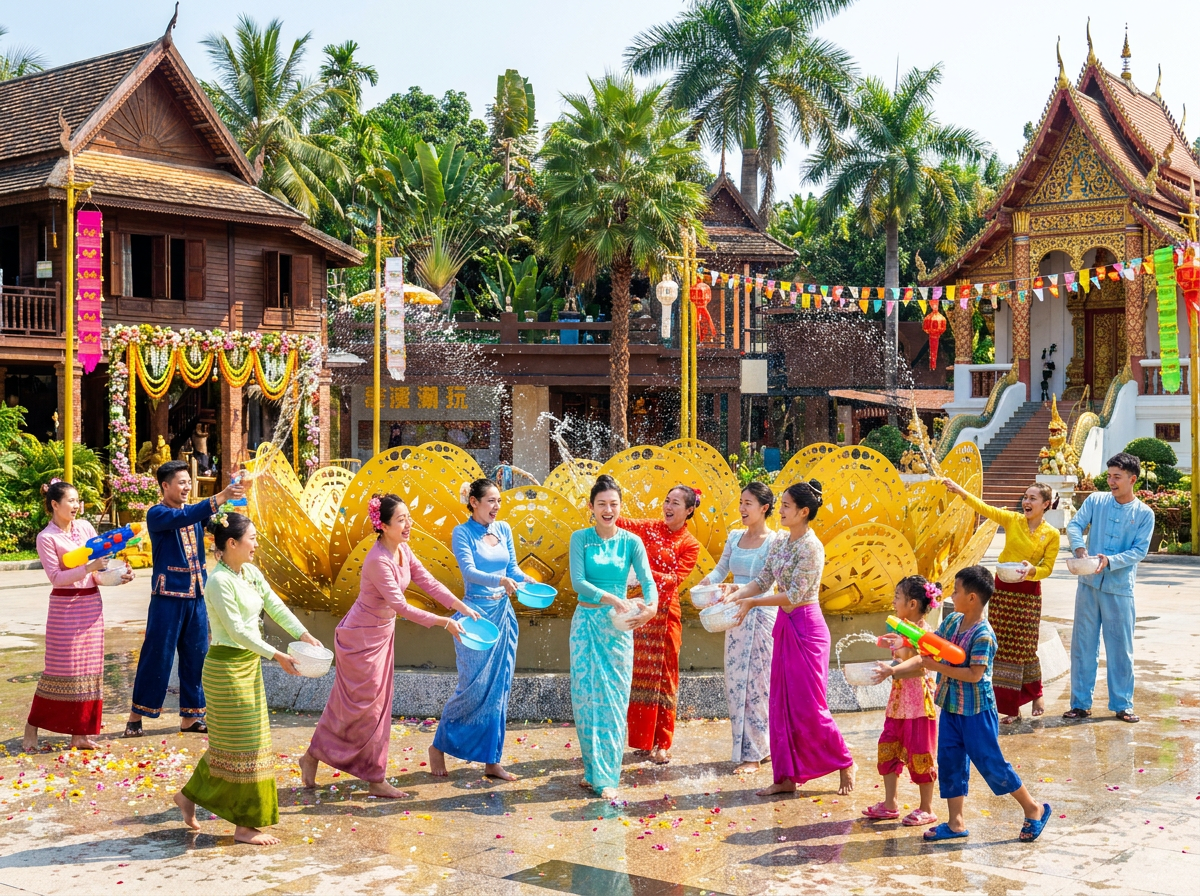
Every year, the southern Yunnan province region of Xishuangbanna undergoes a transformation as the Dai ethnic group celebrates their traditional New Year. Streets become filled with buckets, hoses, and water guns, and staying dry is impossible once the festivities kick off. The act of splashing water carries deep meaning, symbolizing the washing away of misfortune and the bestowal of blessings for the coming year.
This festival usually takes place in mid-April, following the traditional Dai calendar. In addition to the water fights, the celebration features dragon boat races on the Lancang River and traditional dance performances held in local temples.
Among the local festivals in China centered on physical participation, this event stands out for its pure joy rather than solemn ritual. Visitors should anticipate getting completely soaked, making waterproof bags for phones and cameras an essential packing item rather than an optional one. Hotels in Jinghong, the regional capital, fill up quickly during the celebration, so booking accommodation well in advance makes a significant difference.
The Torch Festival of the Yi People
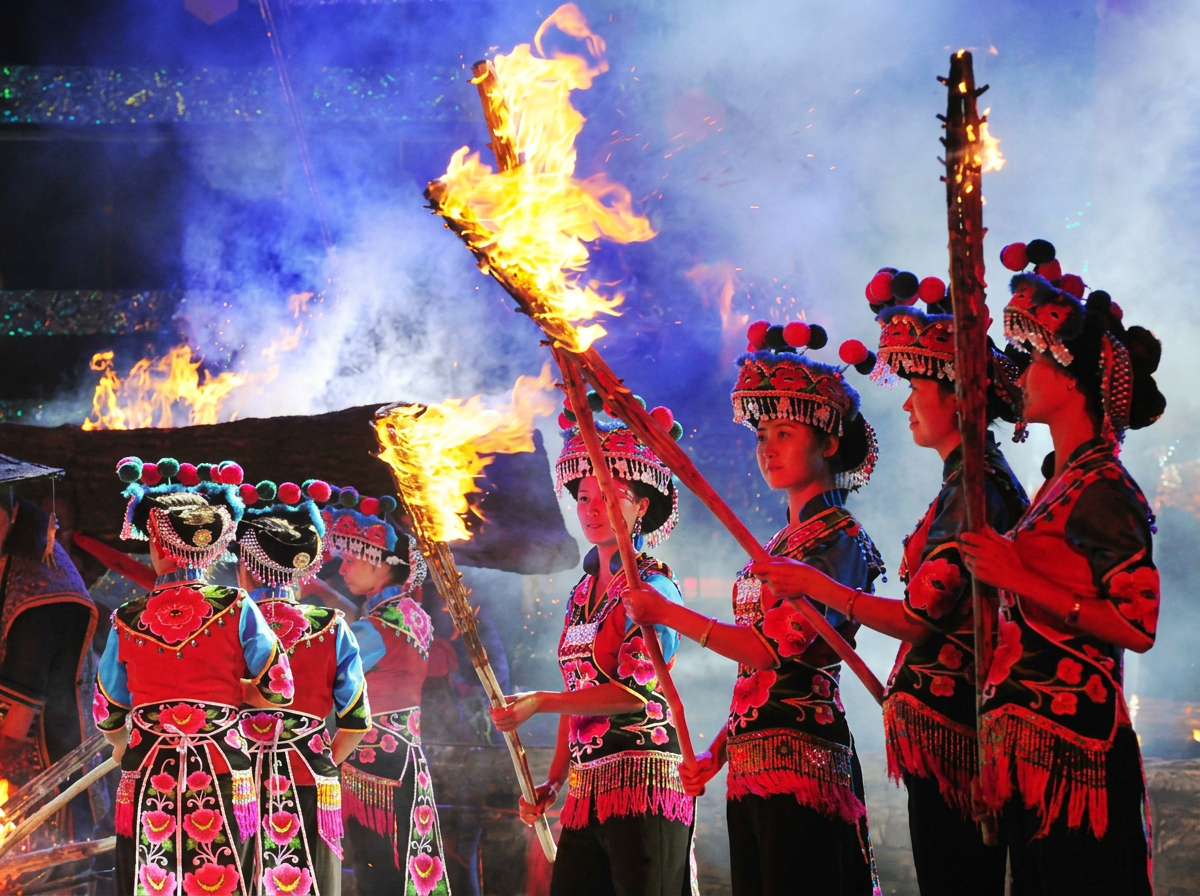
The Yi ethnic group, which spans across Yunnan, Sichuan, and Guizhou provinces, celebrates the Torch Festival each summer. The event features bonfires, wrestling matches, and processions through mountain villages illuminated by torches. Traditionally, the festival marks a turning point in the agricultural calendar and is linked to legends about using fire to defeat destructive insects.
The evening processions create the most visually striking moment of the festival. Villagers carry lit torches through fields and streets, forming long lines of flame that stretch across the hillsides after dark. Daytime hours are filled with bullfighting and wrestling competitions, which draw crowds from surrounding villages.
This celebration is one of the most visually dramatic local festivals in China, especially for visitors who time their trip to coincide with the nighttime torch processions. Rural roads leading to smaller Yi villages can be difficult to navigate without local guidance. Therefore, joining an organized tour often proves more practical than independent travel during the festival period.
Naadam in Inner Mongolia
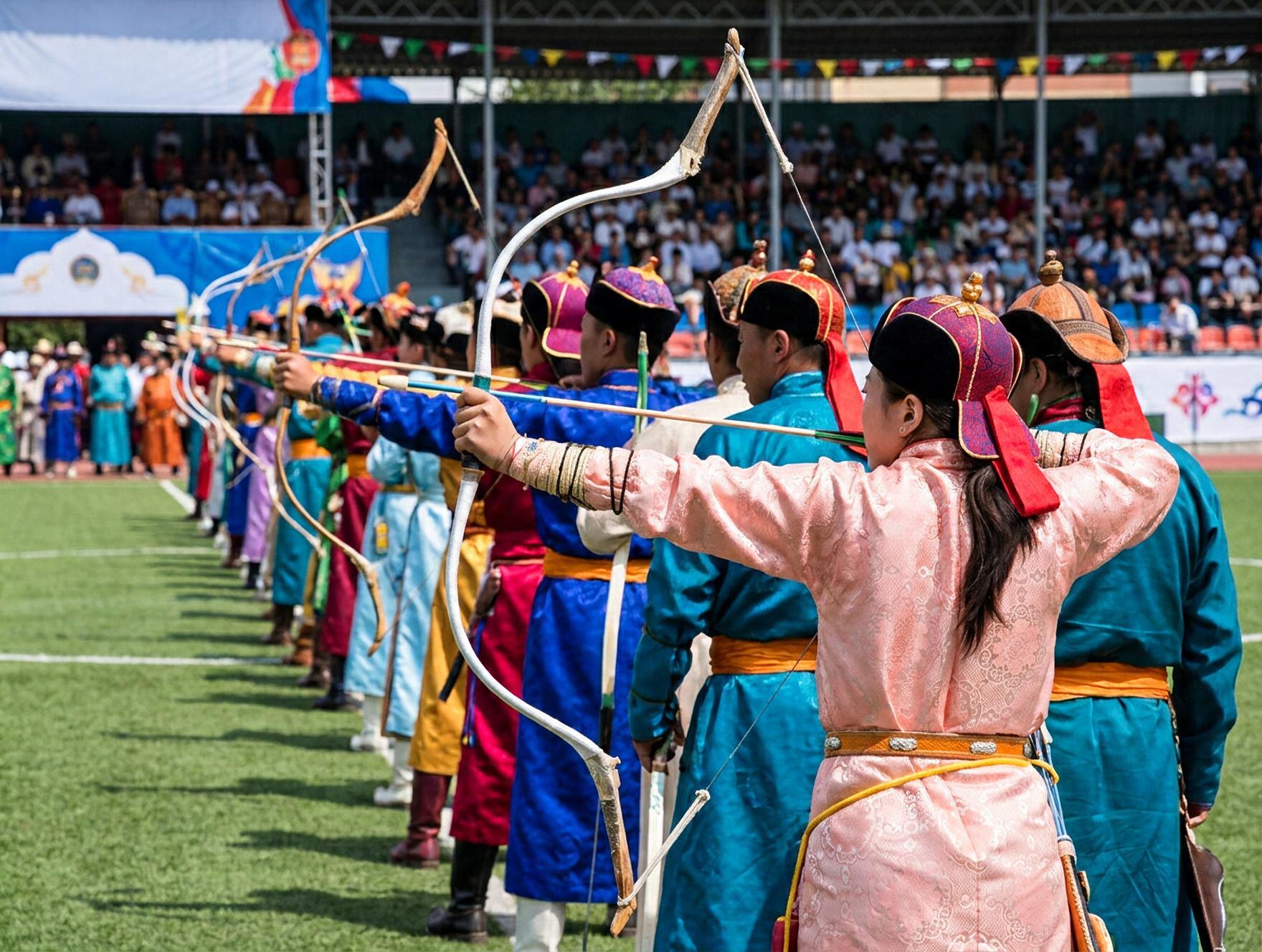
Naadam brings together the traditional "three manly games" of Mongolian culture: wrestling, horse racing, and archery. Inner Mongolia hosts its own regional celebrations each summer. These events are distinct from the larger national festival held in Mongolia itself and draw herding communities from across the grasslands.
Wrestling matches take place in packed arenas, where competitors dressed in traditional costume perform ceremonial gestures before each match begins. Horse races stretch across the open grassland, often covering considerable distances with young riders competing from an early age.
Naadam stands out among China’s local festivals rooted in nomadic history, offering a unique glimpse into pastoral customs that have endured for centuries. A journey to Hohhot or lesser-known grassland settlements during the event allows travelers to lodge in traditional ger camps alongside herding households, providing an immersive overnight experience that brief day-trip events rarely offer.
The Miao Sisters' Meal Festival
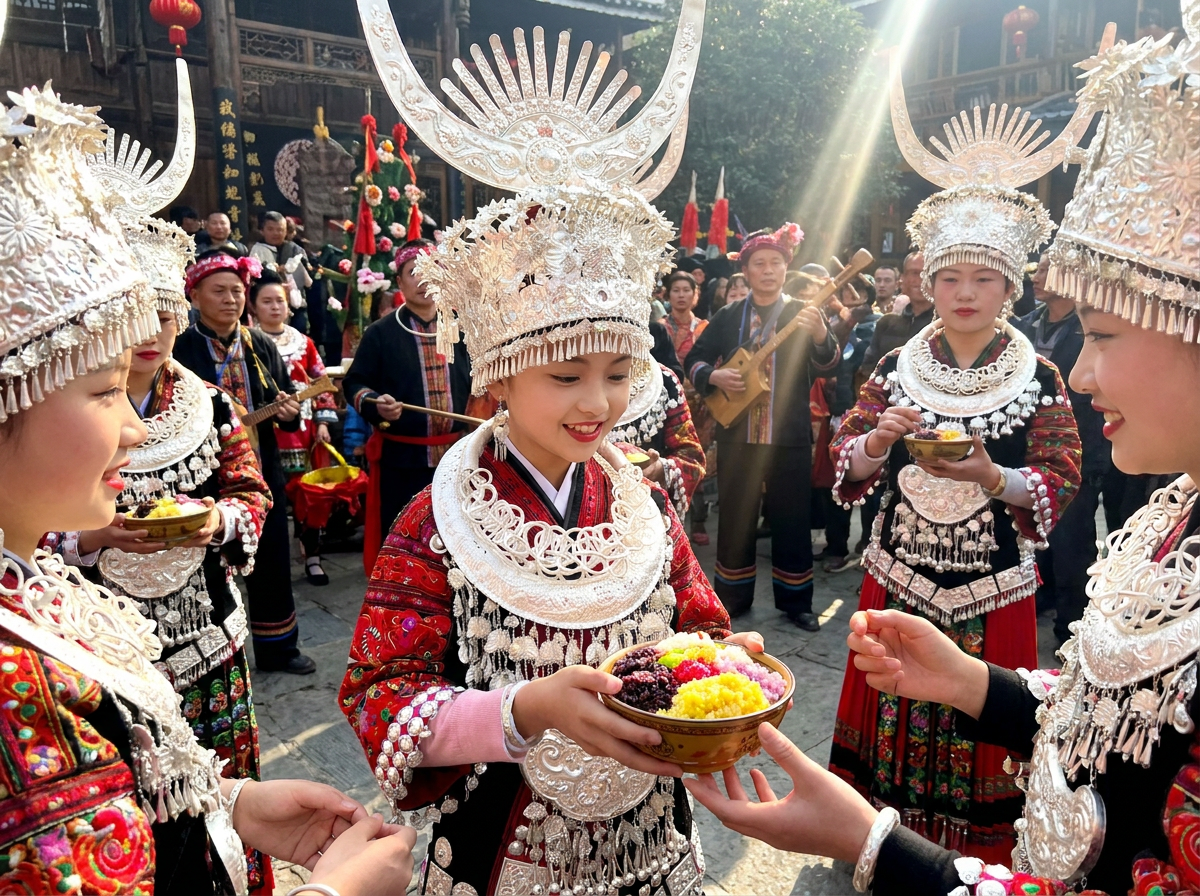
Guizhou province presents one of the nation's most vibrant ethnic celebrations with the Miao Sisters' Meal Festival, which takes place primarily in Taijiang County. Young women craft glutinous rice dishes dyed in various hues, with each color holding symbolic significance linked to courtship rituals handed down through generations.
The festival's visual character is defined by elaborate silver jewelry and embroidered garments. Miao women don intricate silver headdresses and ornaments inherited within their families; some pieces weigh several kilograms and reflect a substantial investment of craftsmanship accumulated over many generations.
This event distinguishes itself among local festivals in China by emphasizing textile and metalwork artistry instead of physical contests. The performances feature traditional lusheng pipe music and group dances executed in synchronized formations. For visitors seeking an introduction to ethnic minority culture and artisanal skill, this specific festival offers one of the best opportunities available.
Losar: Tibetan New Year
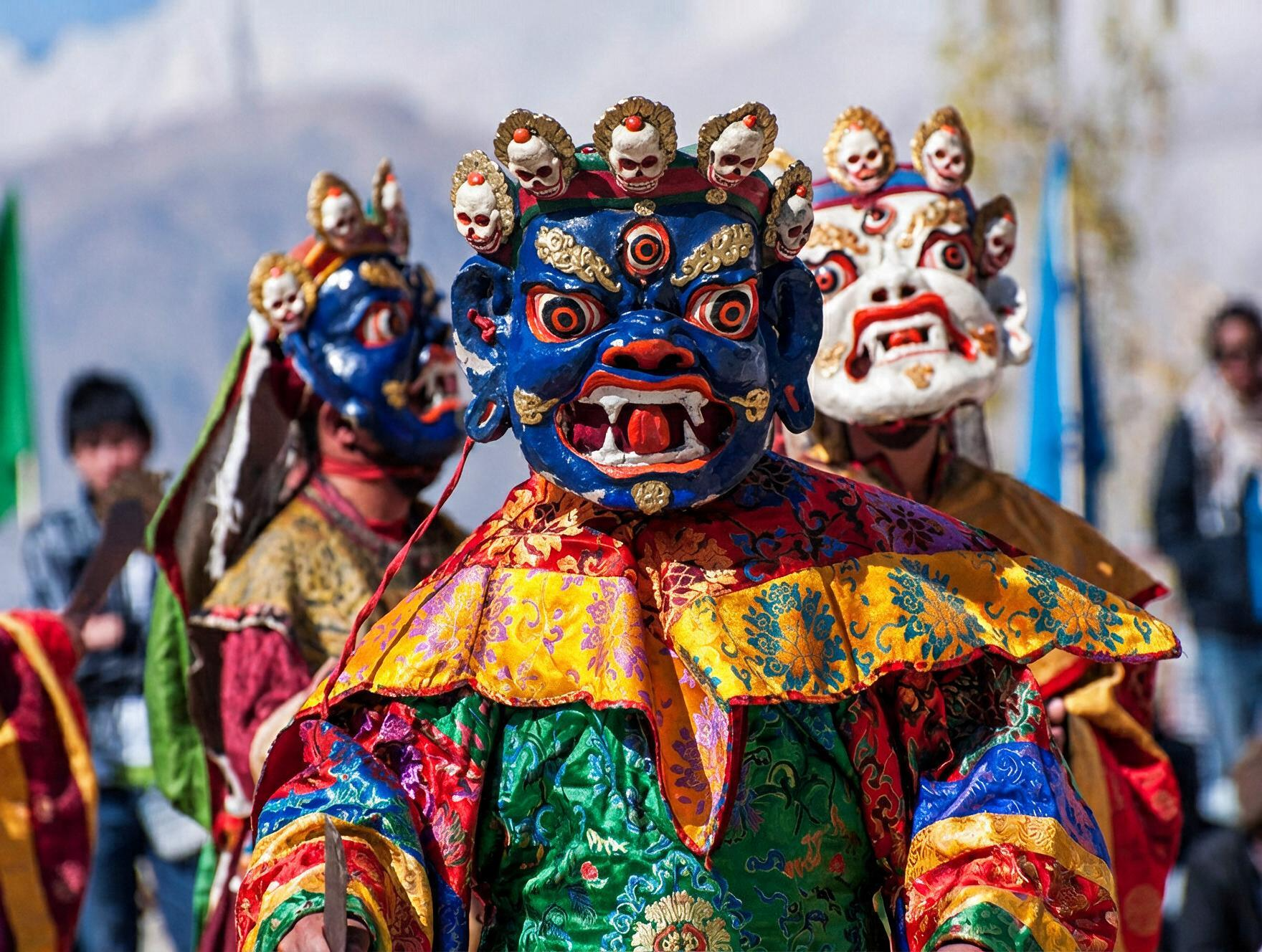
Losar signifies the start of the Tibetan New Year, usually occurring in February or March according to the Tibetan lunar calendar. Monasteries throughout Tibet organize elaborate ceremonies, which include monk dances performed in ornate costumes that depict protective deities.
Families dedicate weeks to preparing for Losar, thoroughly cleaning their homes and making special foods that symbolize prosperity for the year ahead. Visiting monasteries during this time provides a rare opportunity to observe ceremonies that are generally reserved for major religious events throughout the rest of the year.
Among local festivals in China with profound religious significance, Losar demands greater sensitivity from visitors compared to celebrations centered on public spectacle. Travelers should research appropriate behavior near monasteries in advance, as this festival holds the weight of a sacred observance rather than serving as a tourist attraction designed for entertainment.
Planning a Trip Around Local Festivals in China
Timing influences nearly every aspect of planning when organizing travel around these celebrations. Because dates for lunar calendar festivals such as Losar change each year, confirming the exact schedule several months in advance helps prevent conflicts with an existing itinerary.
Accommodations fill up rapidly in smaller towns that host local festivals in China, as limited hotel capacity struggles to meet the sudden influx of visitors during festival weeks. Contacting local guides or agencies with knowledge of specific regions often resolves logistical challenges that standard booking platforms cannot handle.
Adhering to local customs carries more weight at certain festivals than at others. Events like the Water-Splashing Festival encourage enthusiastic participation from guests, whereas religious observances such as Losar require quieter and more respectful engagement. Learning the specific etiquette for each festival beforehand helps visitors avoid actions that might unintentionally disrupt the proceedings.
Conclusion
The most extraordinary local festivals in China expose a dimension of the country that standard tourist routes frequently overlook. Whether it is the water-soaked streets of Xishuangbanna or the torch-lit hillsides of Yi communities, each event provides a unique perspective on regional and ethnic customs. Visitors who are prepared to organize their trips around specific dates and places will encounter experiences that feel entirely different from conventional sightseeing. For those wishing to establish a more profound link with China’s cultural variety, these regional celebrations warrant careful attention when designing a travel plan.