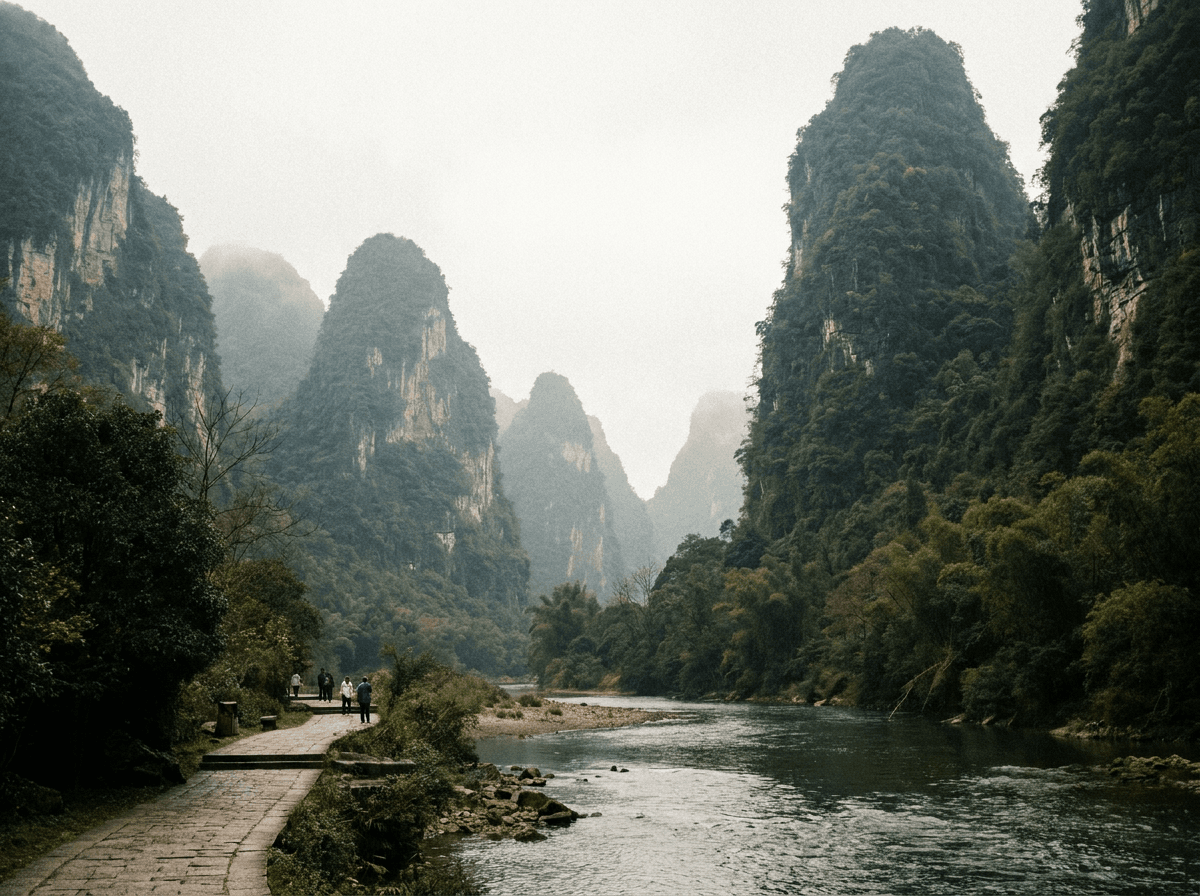
Untamed, pristine wilderness is not the first image that comes to mind for most travelers considering a trip to China. Yet the country holds some of the most stunning natural vistas on Earth. Across the nation, national parks protect towering karst formations, glacial lakes, dense bamboo thickets, and high-altitude grasslands that remain largely unseen by the average tourist. For those who love nature, these protected zones provide a unique chance to leave the city behind and step into environments that seem almost alien. The following guide outlines the Chinese national parks that are worth planning a journey around, from mist-shrouded stone pillars to secluded wildlife sanctuaries. Each site showcases a unique aspect of the country’s immense natural variety.
Zhangjiajie National Forest Park
Zhangjiajie is a cornerstone of any list of Chinese national parks known for spectacular scenery. Thousands of sandstone columns emerge from the forest floor, with some rising over a thousand feet, often veiled in morning mist. The park served as the inspiration for the floating mountains in the movie Avatar, and walking among the soaring spires makes that connection immediately clear.
Most areas are reachable via boardwalks and glass-bottomed skywalks, requiring no technical climbing ability, though steep stairs still challenge visitors in certain sections. Cable cars and external elevators carry guests up to viewing platforms nestled among the peaks, saving hours of climbing time.
Travelers should expect large crowds during peak seasons, as Zhangjiajie is one of the most photographed national parks in China. Arriving early helps avoid the busiest times and allows visitors to see the mist before it burns off. Weather changes quickly at this elevation, so packing layers is crucial even in summer, as temperatures fall rapidly once the sun sets behind the peaks.

Jiuzhaigou Valley
Jiuzhaigou presents an entirely different kind of mountain scenery, built around water rather than peaks alone. Multi-hued lakes, cascading waterfalls, and snow-capped peaks are scattered across a network of connected valleys in Sichuan province. Mineral deposits in the water create a vivid turquoise and blue hue that changes with the shifting light throughout the day.
Shuttle buses transport visitors between viewpoints along the valley floor, since walking the entire path would take more than a day. Wooden boardwalks line the lakeshores, directing foot traffic away from delicate shoreline plants.
Jiuzhaigou remains one of the most popular national parks in China, and tickets frequently sell out during national holidays. Nature enthusiasts who plan around these realities, by arriving early and checking for seasonal closures ahead of time, typically enjoy the smoothest and most satisfying visit to this destination.

Wolong National Nature Reserve
Wolong is dedicated to protecting one of China's most iconic animals: the giant panda. Conservation centers inside the reserve let visitors watch pandas in environments designed to replicate the wild, while researchers conduct breeding and rewilding efforts behind the scenes.
Trails through the reserve pass by bamboo groves that provide much of the pandas' food, offering visitors a glimpse into the habitat these animals rely on every day. Some viewing spots are close enough to observe pandas eating and resting without causing them distress.
What sets Wolong apart is mainly logistics, not scenery: it's simply easier to reach than China's other wildlife reserves. The reserve sits only a few hours away from Chengdu, allowing travelers to easily squeeze a visit into a busy itinerary. To fully understand the conservation work happening on the ground, joining a guided tour is still the most reliable choice.

Sanjiangyuan National Park
Sanjiangyuan pushes wildlife viewing into far more remote terrain than the other parks on this list. Located on the Tibetan Plateau, it protects the headwaters of three major rivers and offers home to snow leopards, Tibetan antelope, and wild yaks across vast, mostly untouched grasslands.
Tourism numbers here stay low, keeping ecosystems remarkably whole. High altitude is a key factor for visitors, so travelers need to acclimatize before doing any heavy exertion, since much of the land sits above four thousand meters.
Guided tours provide the most responsible method for spotting wildlife, as untrained visitors can easily disrupt sensitive habitats without knowing it. Strict limits on visitor numbers safeguard breeding areas and migration paths across the park. Nature fans who are willing to travel farther and plan ahead get access to landscapes and animals rarely found anywhere else on Earth.

Kanas Lake Nature Reserve
Kanas sits close to China’s borders with Kazakhstan, Russia, and Mongolia, making it one of the more distant national parks on this list. Alpine forests surround a deep glacial lake that changes color with the seasons, shifting from bright blue in summer to pale green in autumn.
Few places feel as isolated or as peaceful. Wooden viewing decks overlook the lake at several spots along the shoreline, while a few small villages nearby offer homestays for travelers who want to stay longer than one day.
Getting here requires more effort than visiting Zhangjiajie or Jiuzhaigou. Flights go to nearby cities, followed by several hours of driving through increasingly rural landscapes. Nature lovers who make the journey often call it one of the most rewarding parts of their time in China.

Shennongjia National Park
Shennongjia offers dense, ancient forest instead of open water or high mountain peaks. A heavy canopy protects golden snub-nosed monkeys and rare plant species that exist only in this part of central China. Mist often hangs over the ridgelines, adding to the park’s mysterious air.
Local guides frequently share stories linked to specific trees, rock formations, or river bends that have been passed down for generations, mixing folklore with the park’s ecological value. Several raised walkways allow visitors to walk through the forest canopy without disturbing the habitat on the ground below.
Shennongjia stays comparatively unknown outside China, which translates directly into fewer crowds and a deeper experience for visitors willing to go off the beaten tourist track. Reaching the park involves a flight to a nearby city and then several hours of driving, but that isolation is precisely what attracts nature lovers to return.

Best Times to Visit China's National Parks
Timing matters greatly when you plan a visit to China's national parks. Spring and early autumn usually offer the most pleasant temperatures and the best visibility across most regions. Summer brings lush green landscapes, but it also increases rainfall in southern parks, while winter transforms northern reserves into snowy terrains with limited access.
Booking in advance is now essential at popular spots. Several national parks in China have implemented daily visitor caps to protect fragile ecosystems, meaning tickets often sell out during public holidays and peak weekends. Checking availability a few weeks ahead avoids the disappointment of being denied entry at the gate.
Selecting appropriate equipment also greatly enhances the visit. Sturdy footwear, layered clothing, and waterproof gear handle most weather conditions in these varied landscapes. More remote parks like Sanjiangyuan or Shennongjia may also require special permits, so confirming these requirements before leaving prevents unnecessary complications on the trip.
Conclusion
China's national parks offer more than just chances for scenic photography. They act as sanctuaries for vulnerable ecosystems, endangered wildlife, and landscapes deeply connected to regional heritage and history. Whether wandering among the towering sandstone pillars of Zhangjiajie or the remote grasslands of Sanjiangyuan, each park showcases a distinct facet of the country's natural diversity. Visitors who plan carefully and choose parks matching their skills will gain a deeper appreciation for an often overlooked aspect of China. For nature lovers, these reserves rank among the most rewarding destinations the country has to offer.