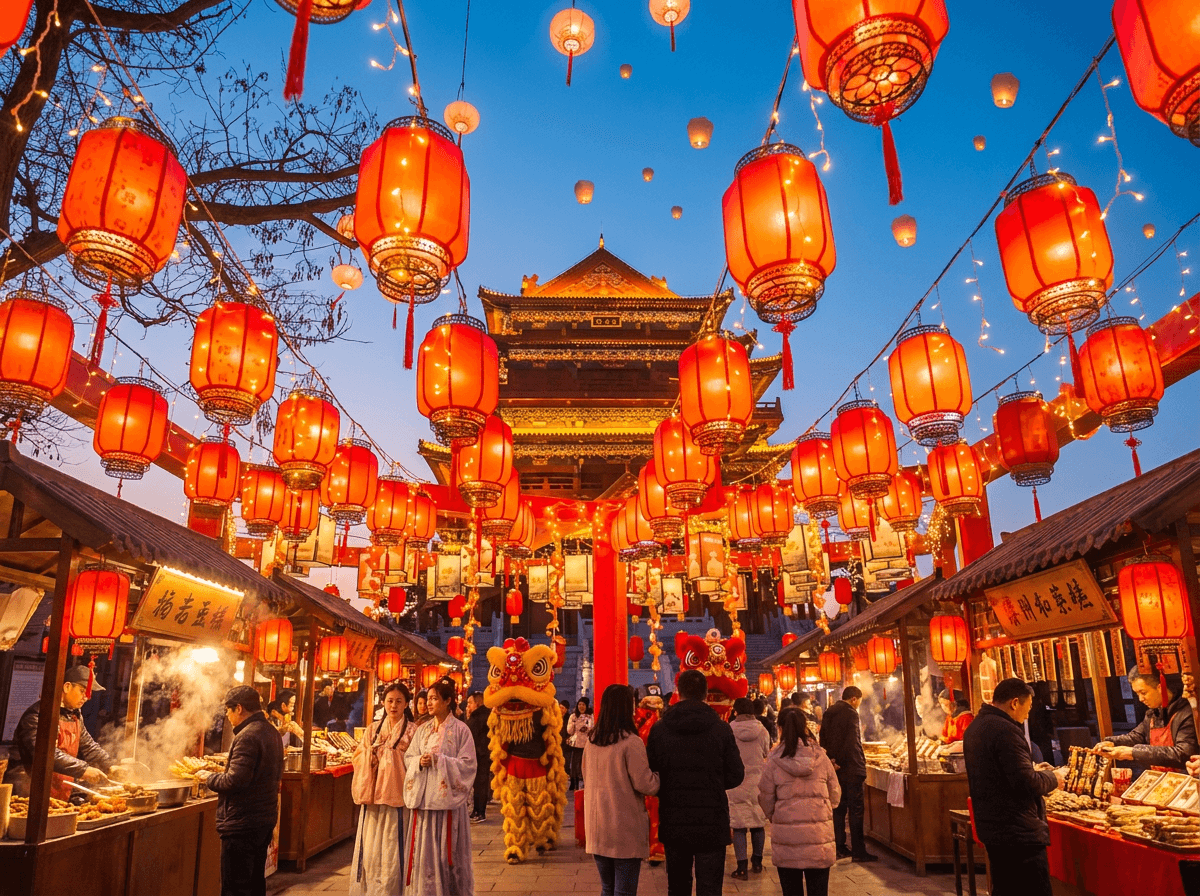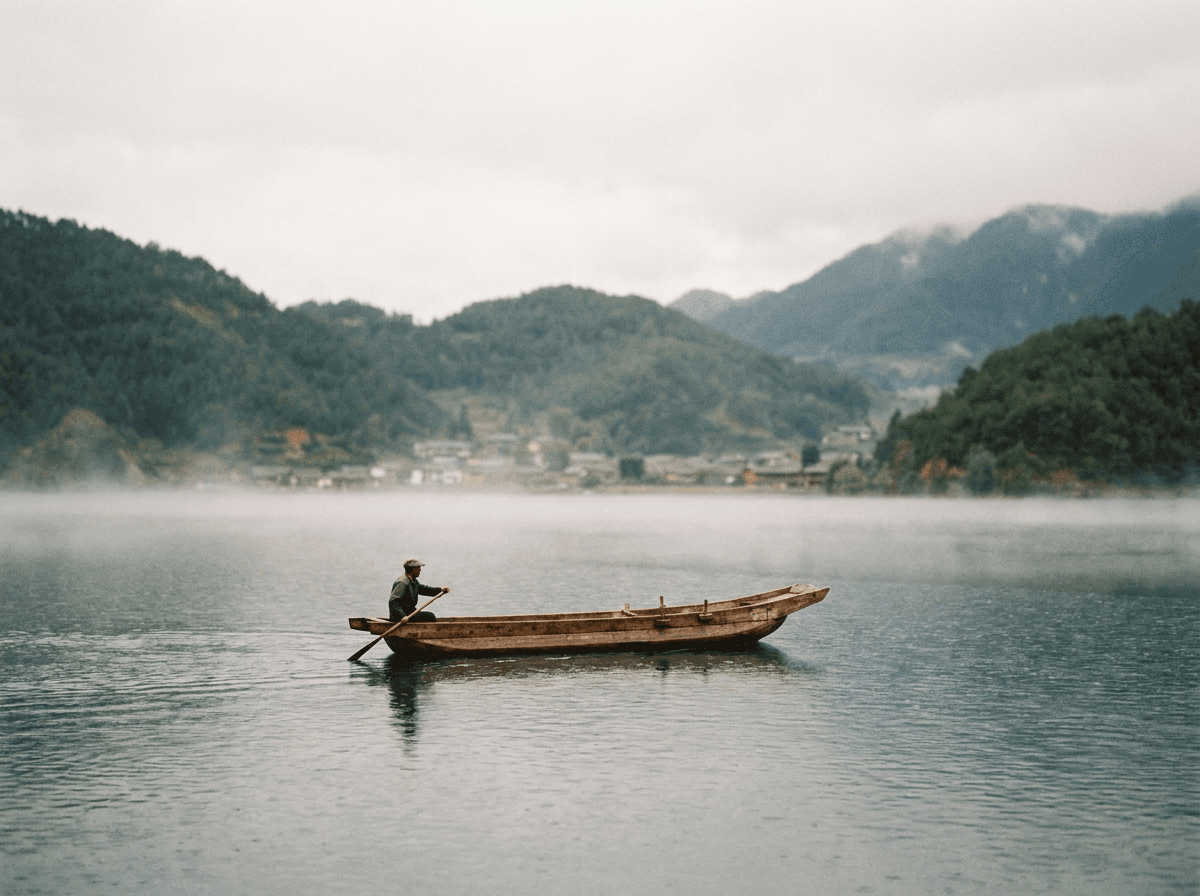
When people imagine China, their minds usually drift to the Great Wall or the terracotta army. Water rarely comes to mind. Yet some of the country's most stunning lakes lie well off the beaten path, hidden in deserts, alpine valleys, and border regions that most tourists never visit. These bodies of water compete with any location on the planet for vivid color and immense scale, but they seldom show up on standard travel plans. This piece highlights several beautiful lakes in China that deserve significantly more attention than they currently get. Each lake presents a unique landscape, defined by its altitude, mineral makeup, and the terrain that surrounds it.
Sayram Lake
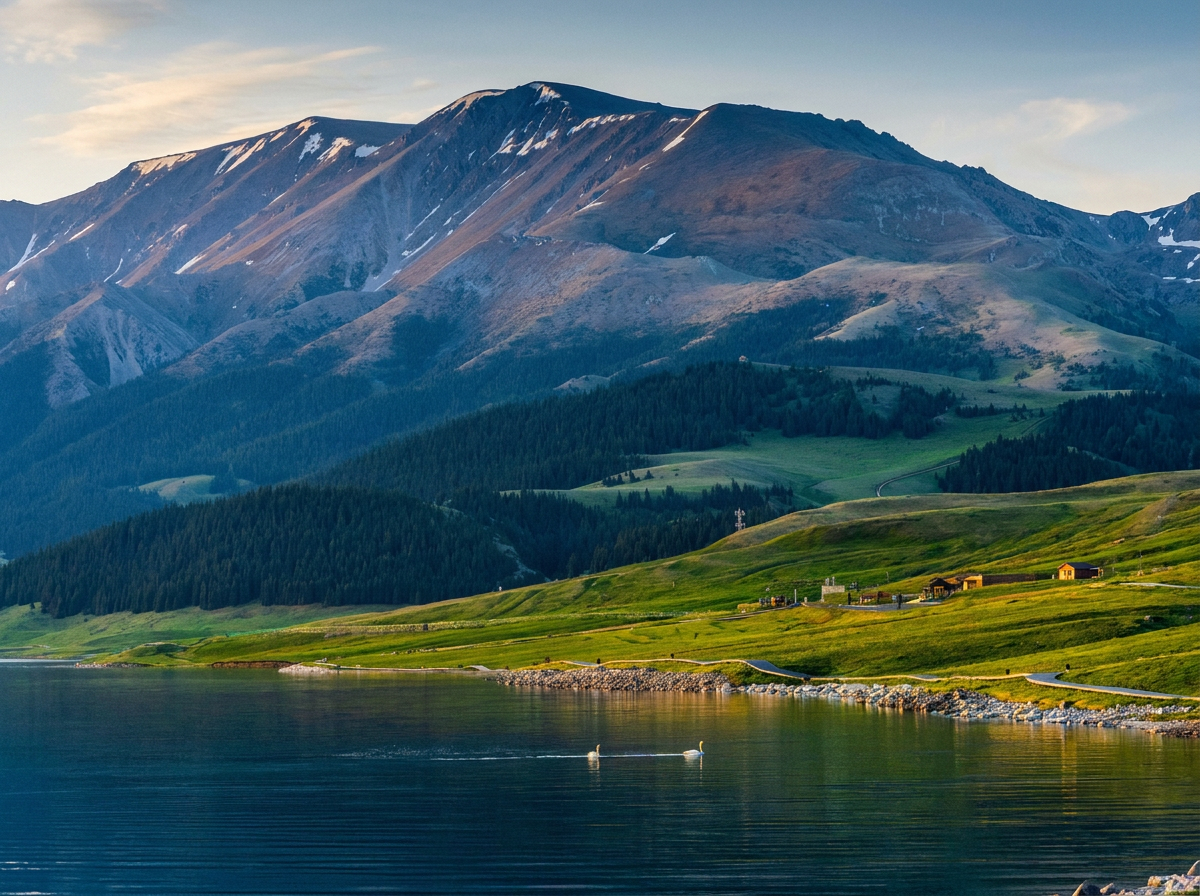
Sayram rests high in the mountains of northern Xinjiang, encircled by snow-capped peaks and alpine meadows. The lake’s deep blue hue changes with the weather, shifting to almost turquoise on clear days and steel gray when clouds roll in. Regional guides sometimes trace the lake's saturated blue to moisture patterns some geographers link, loosely, all the way back to the Atlantic — a folk explanation more atmospheric than scientifically settled.
During the summer months, nomadic herders occupy the grasslands around the lake, and visitors can frequently spot yurts scattered across the hillsides near the shore. From June through August, wildflowers bloom across the meadows, adding splashes of color to an already striking scene.
Of everywhere on this list, Sayram asks the most of travelers willing to make the trip — the reward is exactly that isolation. Getting there requires a flight to Urumqi followed by several hours of driving, but this isolation keeps crowds thin even during the peak season.
Karakul Lake
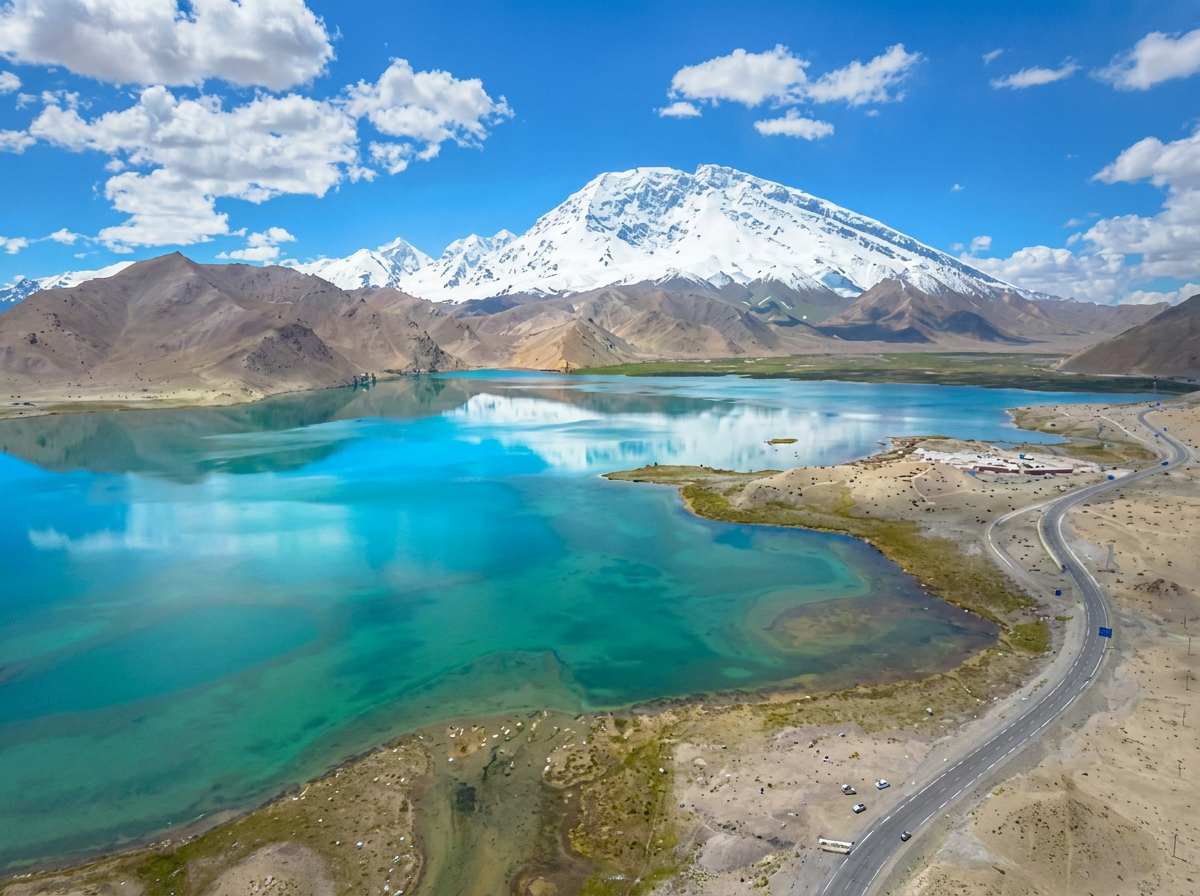
Karakul lies along the Karakoram Highway near the Pakistan border, at an altitude exceeding three thousand meters. On calm days, snow-covered peaks, including Muztagata, reflect directly onto the water’s still surface, creating a mirror effect that attracts photographers from around the world.
The lake’s name translates to black lake in several regional languages, although the water itself often appears a deep, clear blue rather than dark. Local Tajik and Kyrgyz communities live nearby, herding yaks and sheep across the surrounding high-altitude pastures.
Very few travelers venture this far into western China, which keeps visitor numbers low here despite scenery dramatic enough to draw crowds anywhere else. Altitude sickness remains a genuine concern here, so visitors should acclimatize in nearby Kashgar before heading toward the lake.
Lugu Lake
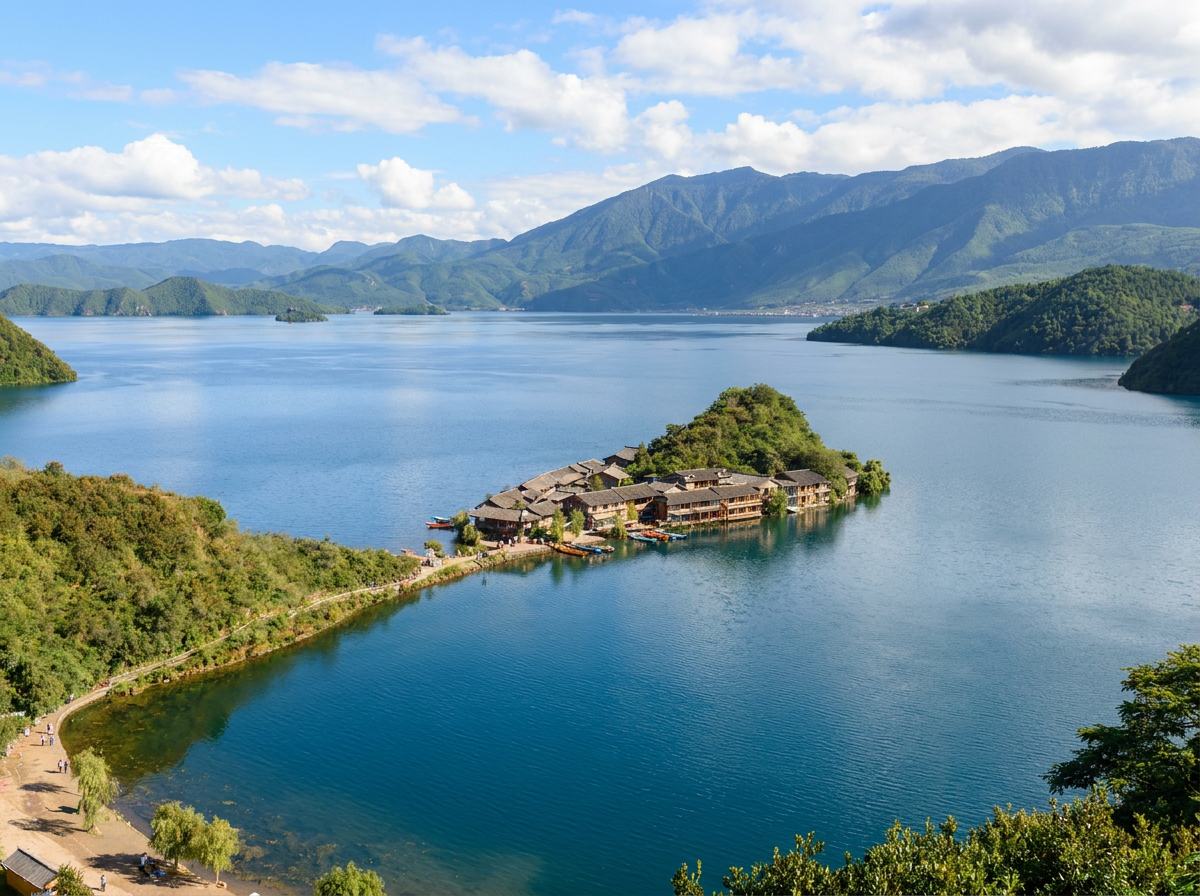
Lugu Lake straddles the border between Yunnan and Sichuan provinces, surrounded by pine forests and low mountains. The Mosuo people, known for their matrilineal culture, reside in villages along the shore and still use traditional wooden canoes to cross the water.
Morning mist often settles over the lake’s surface, lifting slowly as the sun rises over the surrounding hills. Small islands dot the water, with some connected to the mainland by narrow causeways that flood during the rainy season.
What makes a stop here different is the culture, not just the water — a boat ride doubles as a genuine window into Mosuo tradition, not just scenery. Staying overnight in a village guesthouse offers a slower, more immersive alternative to the typical day-trip itinerary.
Basong Tso
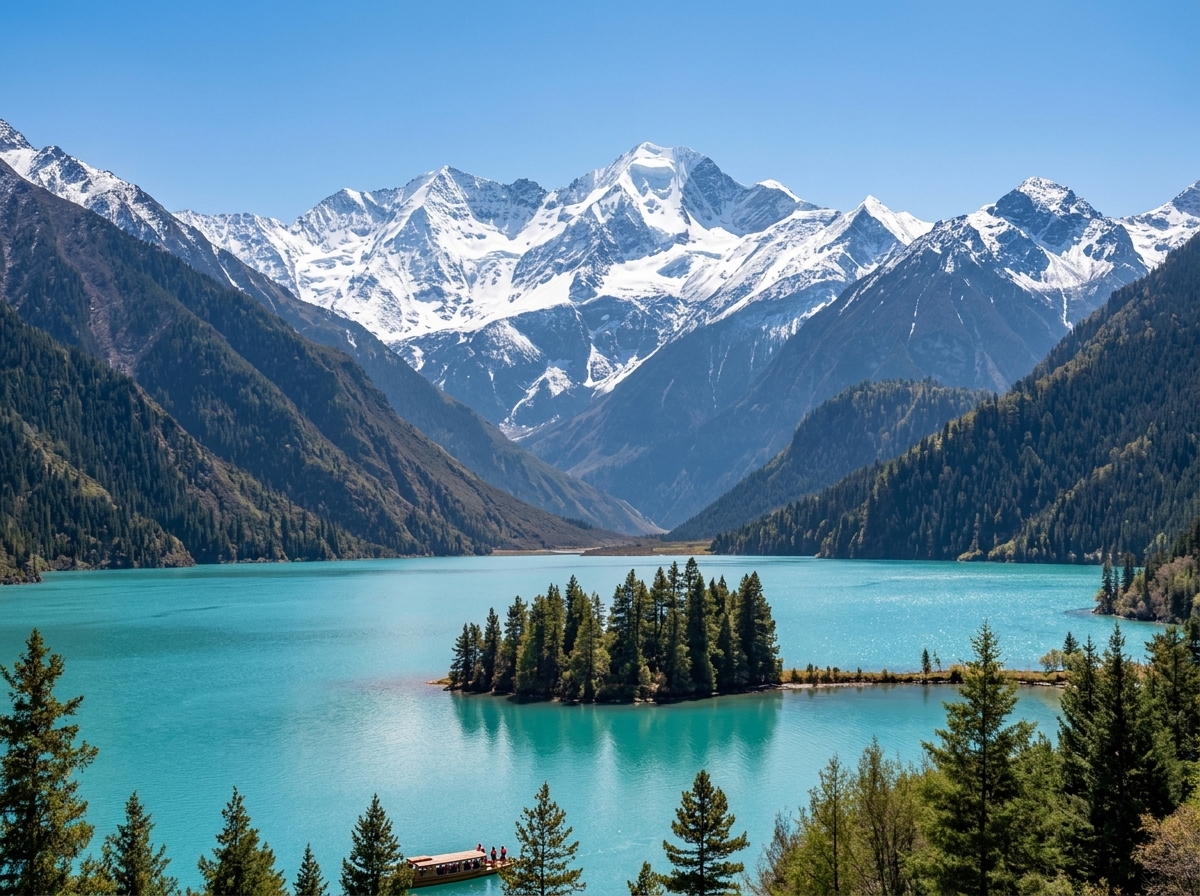
Basong Tso rests in the eastern reaches of Tibet, encircled by thick woodland and snowy peaks that climb steeply from the water’s edge. A modest monastery stands on an island near the middle of the lake, linked to the shore by a slender wooden bridge that trembles faintly beneath one’s feet. The hue of the lake oscillates between deep green and blue, shifting with the seasons and the position of the sun. Autumn delivers the most striking visuals, as the surrounding woods blaze in gold and red, contrasting sharply with the cooler tones of the water. Basong Tso stays quiet mainly for bureaucratic reasons: reaching it means clearing Tibet's permit requirements first, which filters out casual visitors before they even arrive. Travelers who undertake the journey often describe the blend of forest, mountain, and water as entirely unique compared to other sights in the country.
Bosten Lake
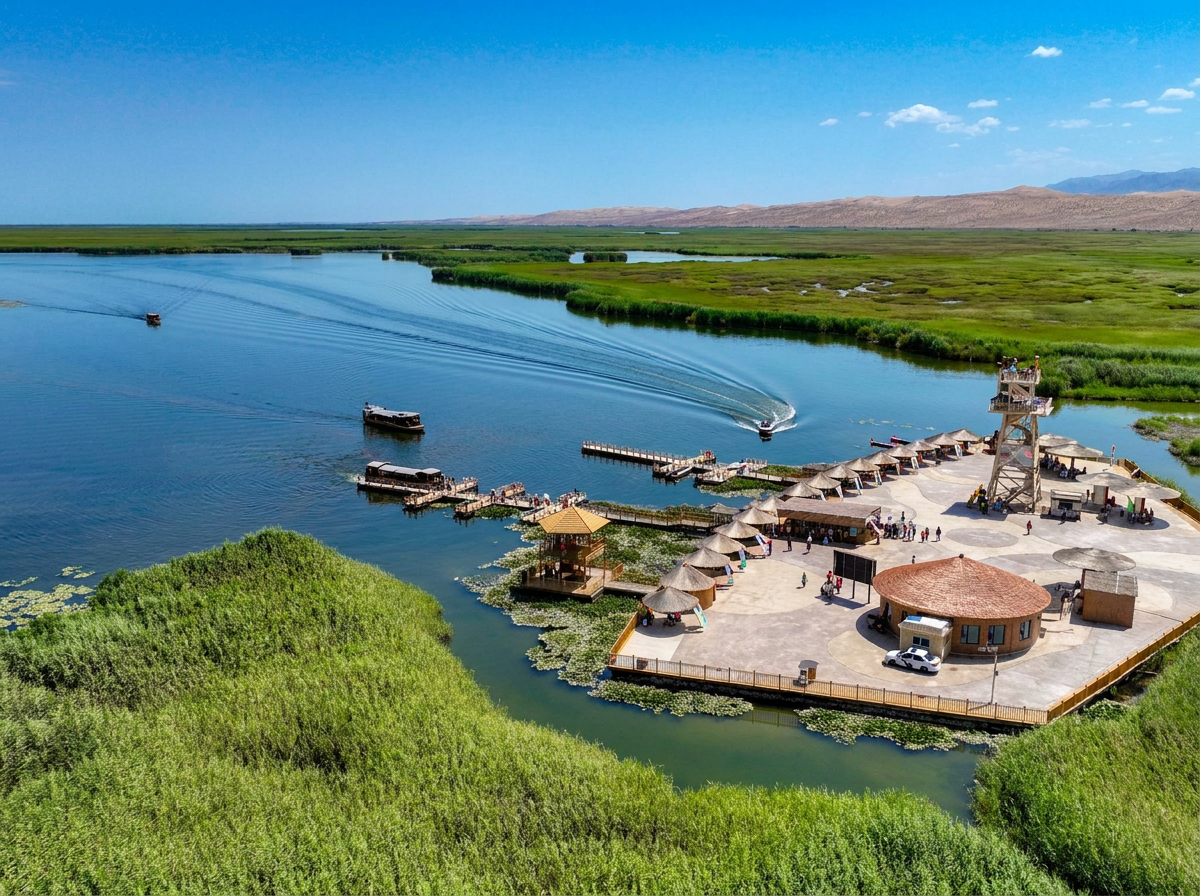
Located in Xinjiang, Bosten Lake counts as one of the largest inland freshwater bodies in China, yet it remains largely unknown to tourists outside the immediate region. Extensive reed marshes line much of the coast, offering shelter to migratory birds that transit through during the spring and fall months. Local fishing populations continue to depend on the lake for their income, and small vessels scatter across the surface during the early morning hours. As the sun sets over Bosten, the reeds glow a rich gold, producing an atmosphere that feels worlds apart from China’s more celebrated aquatic destinations. Bosten serves as a more accessible entry point to the scenic lakes found across Xinjiang, given its proximity to Korla and the fact that it demands less remote travel than destinations like Sayram or Karakul. Bird enthusiasts, in particular, consider the marshland habitat a worthy diversion.
Planning a Visit to China's Hidden Lakes
The timing of your visit significantly influences the experience at each of these sites. Summer provides the most moderate weather for high-elevation lakes such as Karakul and Sayram, whereas autumn yields the finest foliage at Basong Tso and Lugu Lake. Winter weather shuts down certain routes completely because of snow and ice accumulation. Altitude impacts several of these scenic Chinese lakes more than many visitors anticipate. Both Karakul and Basong Tso sit well above two thousand meters, meaning travelers arriving from lower elevations should allow time to adjust before engaging in vigorous activity. Permits are essential for lakes situated in Tibet or close to international boundaries. Visiting Basong Tso requires a Tibet travel permit secured via a licensed agency, while Karakul lies in a border zone that sometimes demands extra paperwork. Verifying requirements ahead of time avoids complications once the journey starts. Getting to these lakes usually entails flying to a regional center followed by several hours of driving. While renting a car is feasible in some areas, hiring a local driver is often more sensible due to unfamiliar routes and language challenges in isolated regions.
Conclusion
China’s most renowned landmarks seldom feature its lakes, yet these beautiful bodies of water offer some of the nation’s most stunning and uncrowded vistas. From the glassy stillness of Karakul to the cultural depth of Lugu Lake, each site rewards those willing to stray from the standard tourist path. Visitors who account for altitude, permits, and seasonal factors will discover landscapes that feel truly untouched. For anyone looking for a quieter, more unique perspective on China, these lakes warrant a place on the travel plan.