Very few treks in China manage to blend ease of access with such dramatic scenery as the Tiger Leaping Gorge hike. Sculpted by the Jinsha River between two massive mountain ranges in northwestern Yunnan, this canyon stands as one of the deepest river gorges on the planet. Every year, thousands of solo adventurers complete the Tiger Leaping Gorge trek, lured by vertical cliffs, cascading waterfalls, and panoramic mountain vistas that demand little to no technical climbing skill. This guide provides all the details required to organize the journey, from selecting a path to packing appropriate equipment. Whether covered in two days or extended over three, the trek repays careful planning with one of the most unforgettable trail experiences in the country.
Understanding the Route
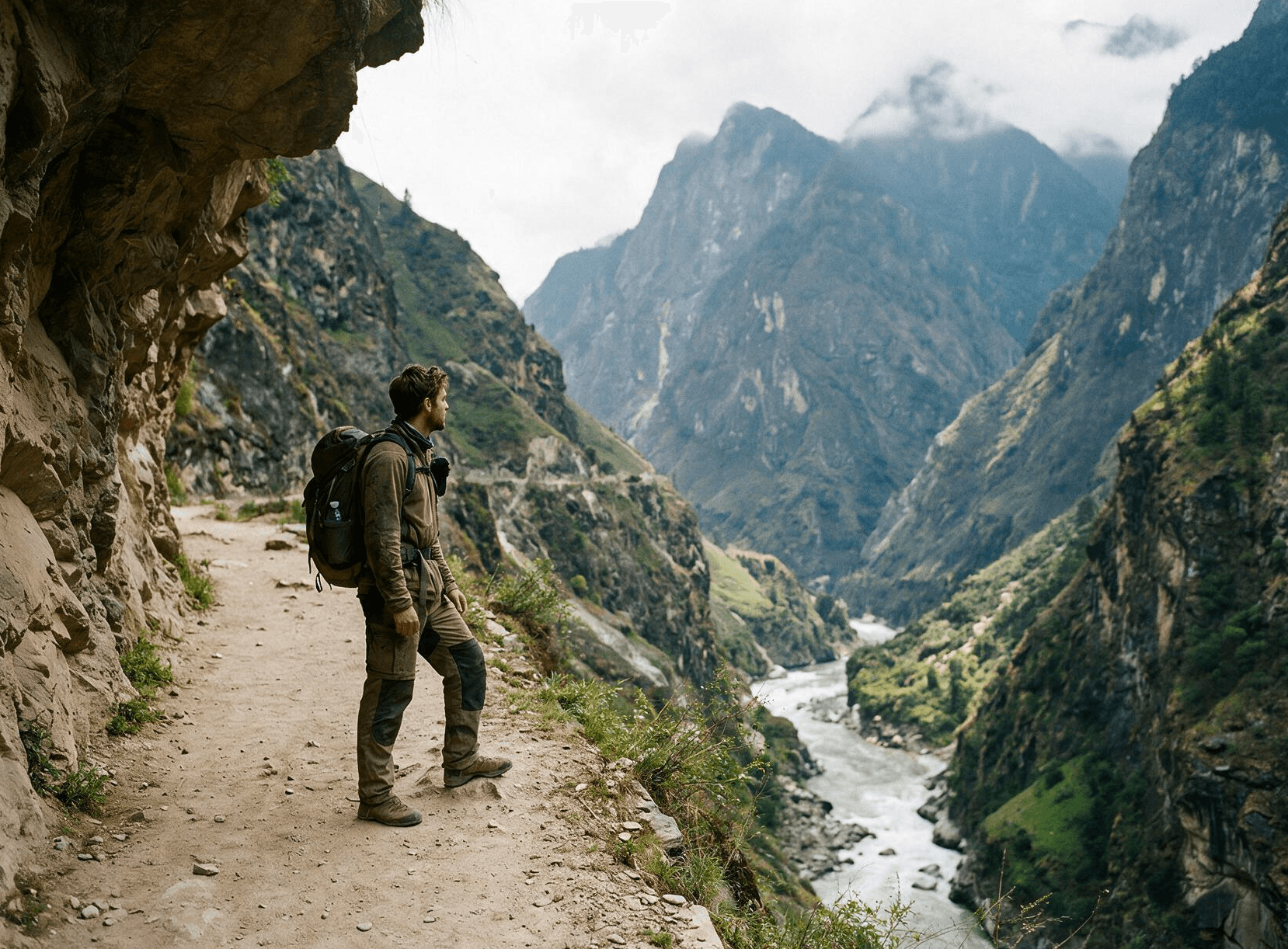
The Tiger Leaping Gorge trek consists of two separate paths along the gorge walls, and the choice between them defines the entire journey. The high trail ascends well above the river level, winding through small settlements and agricultural plots while providing sweeping overlooks down into the canyon depths. In contrast, the low trail stays closer to the riverbank, largely following the main road for much of its course.
Most hikers select the high trail for its superior scenery and quieter ambiance. The route winds through Naxi and Tibetan villages where guesthouses provide meals and overnight accommodation, eliminating the necessity of carrying camping gear. The distance covered on the high trail usually ranges between twenty and twenty-two kilometers, depending on the specific start and end points selected.
The change in elevation is more significant than the distance implies. The Tiger Leaping Gorge trek reaches a peak of roughly 2,800 meters before descending back toward the river at various intervals. This shift in altitude means hikers experience noticeably different temperatures between the valley floor and the higher trail sections.
Trail signage has improved considerably in recent years, although some parts still demand careful attention, especially near village junctions where paths diverge unexpectedly. Most hikers navigate the route independently, though first-time visitors sometimes opt for local guides to gain confidence when traversing the higher sections.
The Twenty-Eight Bends
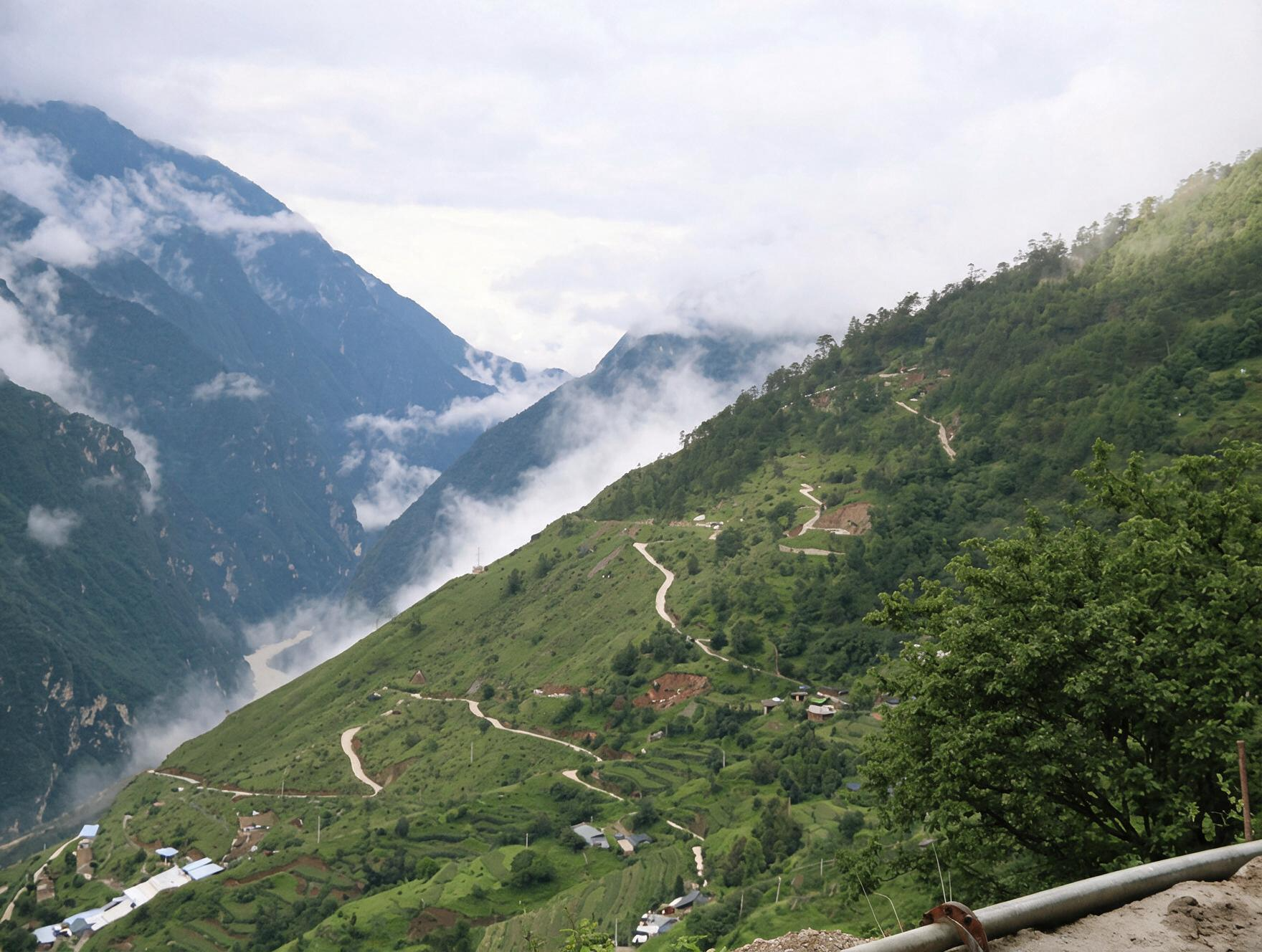
Any account of the Tiger Leaping Gorge trek must address the Twenty-Eight Bends, a grueling series of switchbacks that climbs steeply midway through the journey. This segment challenges even seasoned hikers, gaining substantial elevation over a relatively short stretch.
Maintaining a steady pace is crucial here. Rushing up the climb leads to exhaustion that impacts the rest of the day's hiking, whereas a consistent, patient rhythm allows most hikers to pass through without major issues. Small rest stops along the bends provide water, snacks, and a spot to recover breath before proceeding.
After clearing this section, the trail flattens out significantly, rewarding hikers with some of the finest views on the entire route. Many describe reaching the top of the bends as the psychological turning point of the Tiger Leaping Gorge trek, after which the remaining distance feels much more manageable.
Weather conditions exert a major influence on this section of the trail. Rain turns the switchbacks slick and makes the climb significantly more taxing, so reviewing forecasts before tackling this stretch helps hikers steer clear of the most unpleasant scenarios. Setting off early in the day is also a smart move, allowing hikers to reach the bends before the sun rises too high, which cuts down on heat exposure during the trek’s most grueling ascent.
A Typical Itinerary
The majority of travelers finish the Tiger Leaping Gorge trek in two days, although a more leisurely three-day option provides additional time for rest and photography. The trailhead begins in Qiaotou, just a short drive from Lijiang, making early morning departures a practical choice for most schedules.
Day one usually covers the most challenging terrain, including the Twenty-Eight Bends, before hikers arrive at a guesthouse located midway along the route. Many trekkers stop at the Tea Horse Guesthouse or a similarly situated lodge, reaching their destination in the afternoon with plenty of daylight remaining to relax and take in the surrounding vistas.
On day two, hikers proceed along the remaining high trail sections before descending toward the gorge’s most renowned viewpoint, where the river squeezes dramatically between towering rock walls. From that spot, hikers typically head out toward Walnut Grove or press on to the gorge’s lower sections near the main road.
Those opting for the three-day itinerary often include an extra overnight stay, which spreads the distance more comfortably and leaves room for detours to specific viewpoints. This slower pace works well for hikers who are less confident in their overall fitness, or for anyone wishing to spend more time capturing the scenery along the way.
When to Attempt the Trek
Timing plays a huge role in the quality of the Tiger Leaping Gorge trek experience. Spring and autumn provide the most stable weather, featuring clear skies and comfortable temperatures for hiking at elevation. Summer months bring heavier rainfall, which can make trail sections slippery and raise the likelihood of landslides blocking parts of the route.
Winter still attracts hikers, though the cold temperatures at higher elevations demand proper gear and careful planning. Snow occasionally shuts down sections of the trail for short periods, so checking current conditions before setting off remains crucial during the colder months.
Hiking on weekdays generally offers a quieter experience on the Tiger Leaping Gorge trek compared to weekends and national holidays, when domestic tourism swells foot traffic along popular sections. Golden Week in particular brings noticeably larger crowds to guesthouses and viewpoints throughout the gorge.
Packing and Practical Tips
Proper footwear is more critical on this trek than almost any other piece of equipment. Sturdy hiking boots with solid ankle support manage the uneven terrain and steep sections far better than casual sneakers, especially during the Twenty-Eight Bends.
Layered clothing helps manage the significant temperature shifts found along the route. Mornings can feel chilly at higher elevations, while the afternoon sun makes lighter layers more comfortable during the steepest climbing parts of the Tiger Leaping Gorge trek.
Carrying sufficient water remains essential, although guesthouses along the route sell bottled water and simple snacks for hikers who prefer to travel lighter. A basic first aid kit, sun protection, and a lightweight rain jacket complete the essential gear list for most travelers attempting this trek.
Conclusion
The Tiger Leaping Gorge trek continues to stand out as one of the most satisfying multi-day hikes in China, merging striking landscapes with an accessibility that is uncommon for trails of this magnitude. Opting for the high path, moving steadily through the Twenty-Eight Bends, and scheduling the journey to coincide with good weather all contribute to a smoother and more pleasant adventure. Hikers who adequately prepare for shifts in altitude and pack suitable equipment will discover that this trek lives up to its entire reputation. There are very few hikes that provide such substantial rewards for a manageable two or three days on the trail.