Most international hikers pass right over China’s mountains, a mistake that robs these peaks of the respect they deserve. Visitors usually picture the country as a hub of busy cities, ancient temples, and high-speed rail, rather than a place for long, solitary treks through remote valleys and high passes. The truth is, China’s top multi-day trails hold their own against the best routes in Nepal and Patagonia. These paths cut through gorges, forests, and grasslands that rarely see foreign visitors. This article highlights several standout multi-day hiking trails in China, chosen for their scenery, physical challenge, and remoteness. Each route offers a distinct blend of terrain, elevation, and cultural encounters.
Tiger Leaping Gorge
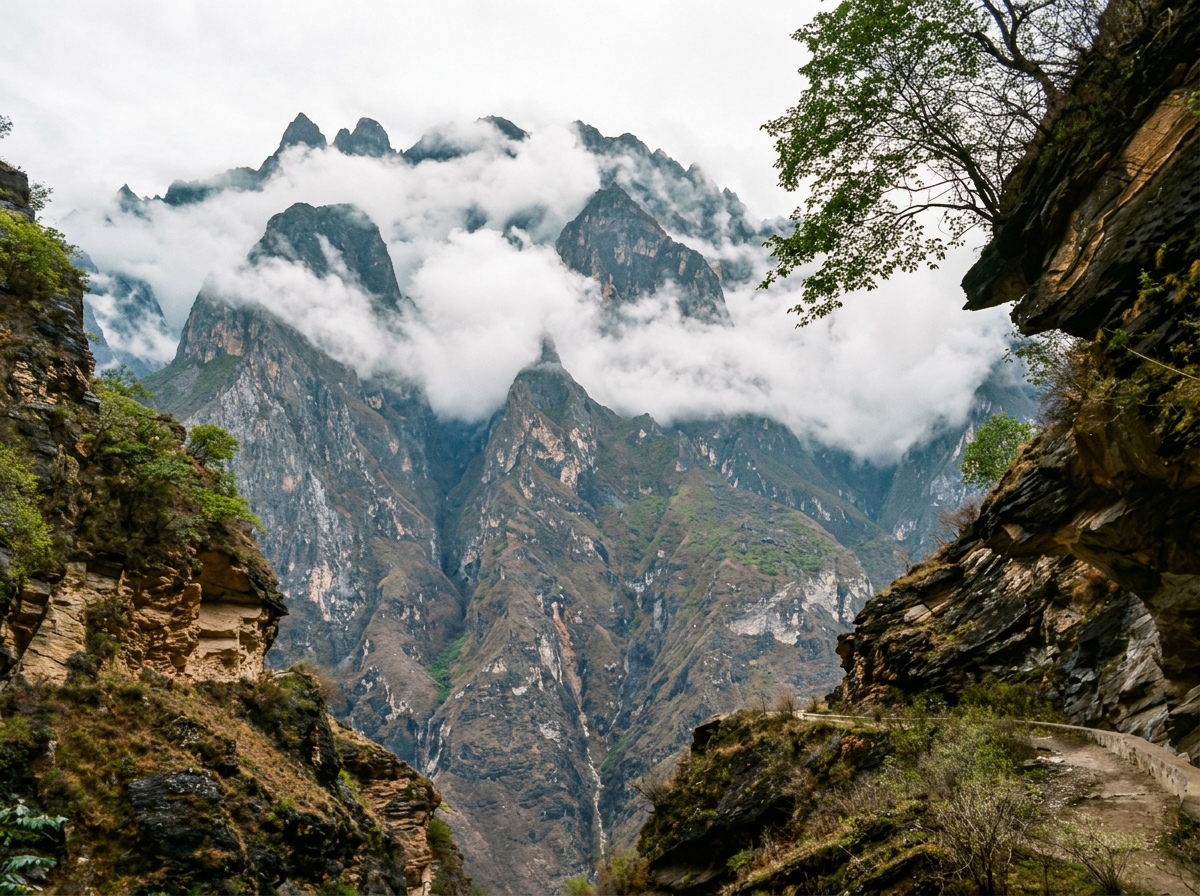
In northwestern Yunnan, the Jinsha River carved Tiger Leaping Gorge as it forced its way between two massive mountain ranges. The upper section of the trail clings to steep cliffs for about two days, passing waterfalls and small guesthouses that offer food and shelter.
Steep drops define much of this hike, with the river visible far below through gaps in the trail. On clear days, snow-capped peaks frame the gorge. The true scale of the landscape becomes obvious once hikers reach the 28 Bends, a midway point.
What makes this route approachable, compared to the others here, is the string of guesthouses along the way. Guesthouses mean you don’t need to carry heavy camping gear, making it a good option for hikers without technical mountaineering skills. Spring and autumn offer the best weather, while summer rains can make parts of the trail slippery and prone to landslides.
Yubeng Village Trek
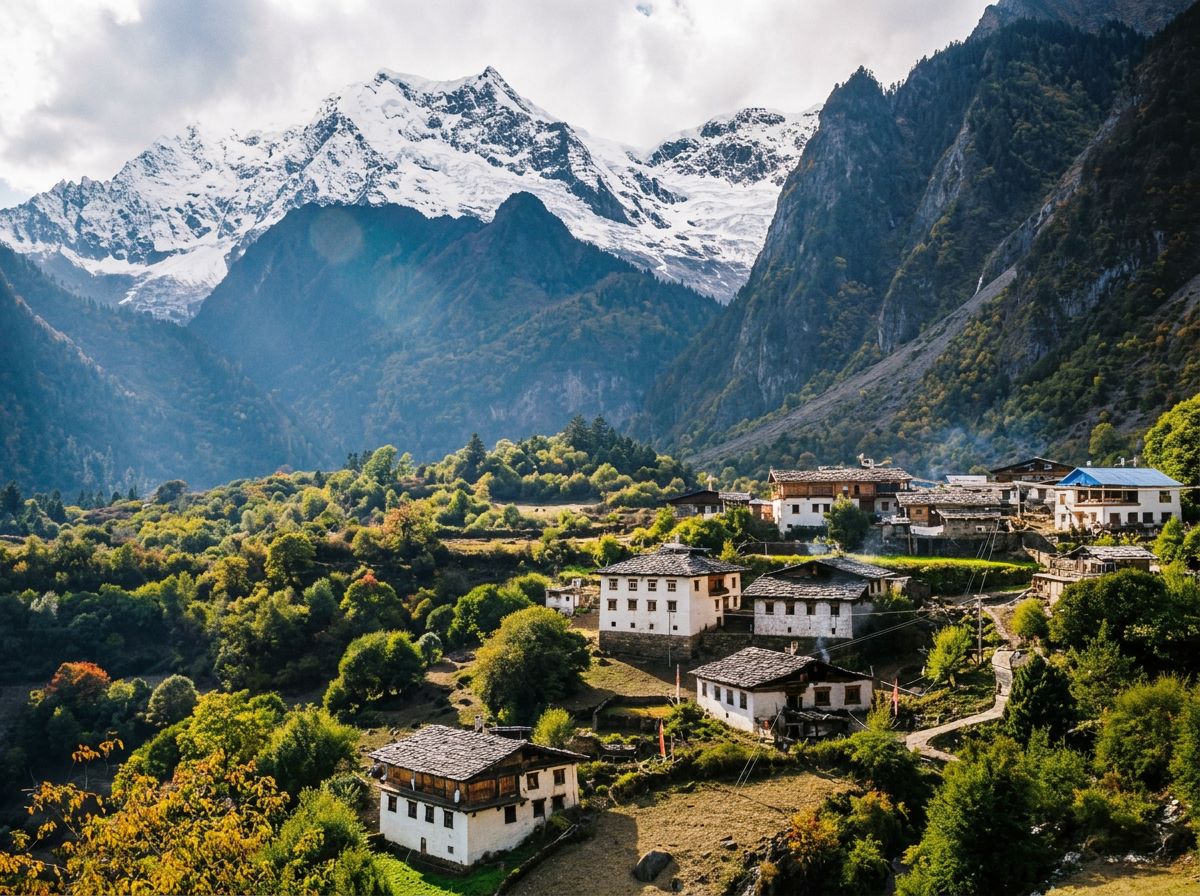
Deep in the mountains of northwestern Yunnan, Yubeng is split into upper and lower sections, each with different access levels. A new mountain road now connects Lower Yubeng to the nearby town of Xidang, allowing shuttle vans and cars to reach the village directly. Reaching Upper Yubeng still requires a steep climb on foot or by horse, keeping this area much quieter than the lower village.
Meili Snow Mountain dominates the view throughout the trek, though clouds often hide its peaks. Locals consider the mountain sacred, and pilgrims still walk these same trails today.
The physical effort here comes bundled with something the other treks on this list don't offer: a living pilgrimage route, not just scenery. Most itineraries take three to four days and include a side trip to a glacier viewpoint above the village. Mules are available to carry gear for those who want to travel light.
Kanas to Hemu Trek
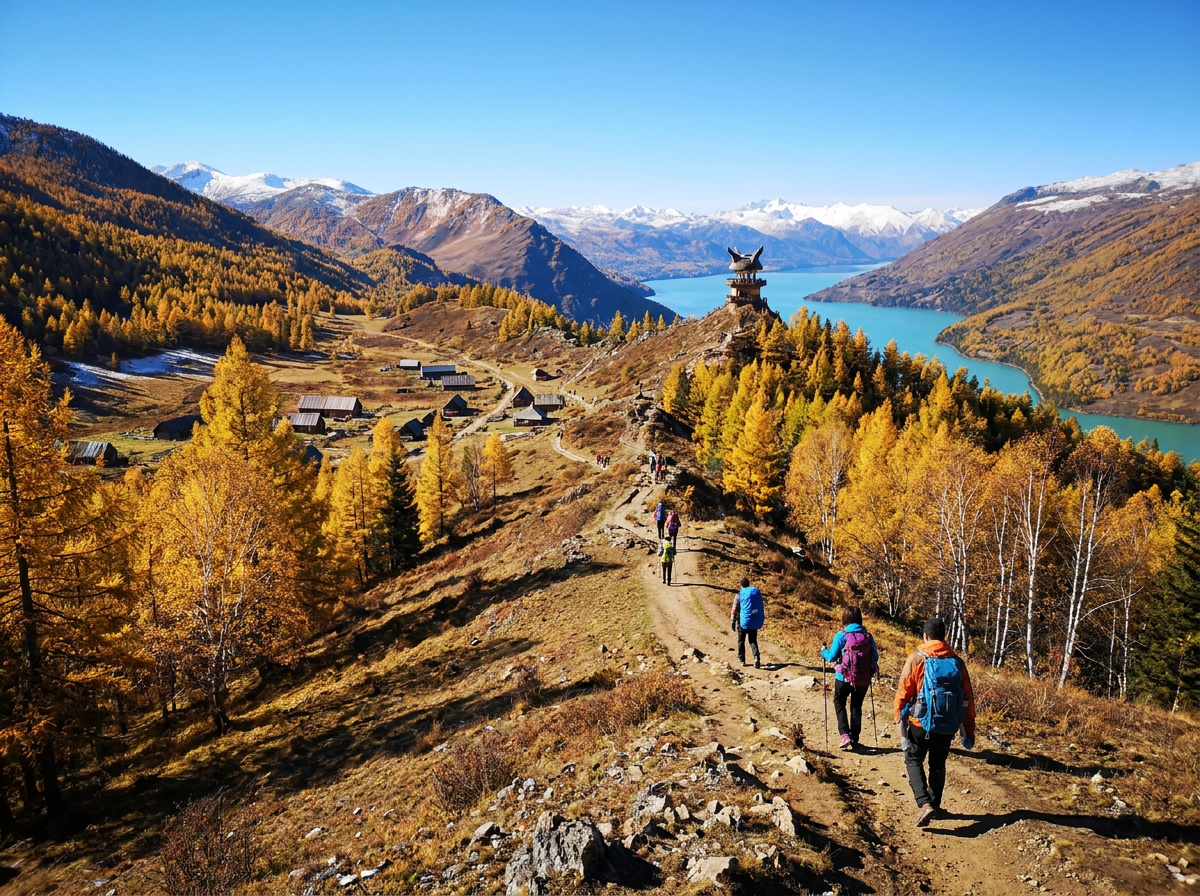
This journey connects two remote settlements in northern Xinjiang, crossing alpine meadows, birch forests, and river valleys near the borders of Kazakhstan, Russia, and Mongolia. Few hikers outside China know this route, so foot traffic stays low even during peak seasons.
Tuvan and Kazakh herding communities live along parts of the trail, and their wooden cabins sometimes offer basic lodging for trekkers. Wildflowers bloom in July and August, adding color to the green and brown landscape.
Logistics are the biggest challenge on this route due to its isolation. Reaching the start involves flying to Urumqi and then a long drive. Hikers should pack for sudden weather changes, as conditions can shift quickly at these altitudes.
Siguniang Mountain Trek
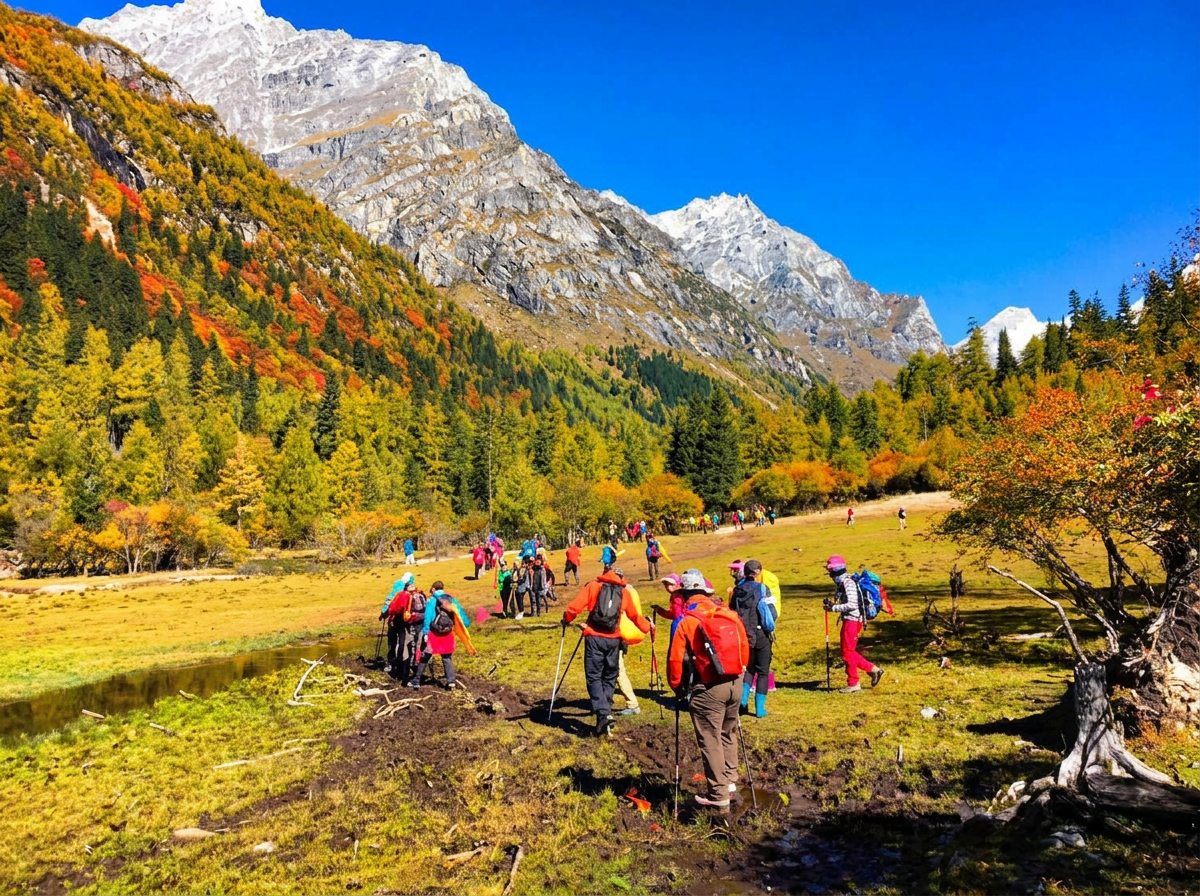
In western Sichuan, Siguniang Mountain (Four Sisters Mountain) offers several trekking paths with varying difficulty. The most demanding multi-day route takes travelers over high passes above 4,000 meters, winding through glacial valleys and past turquoise lakes.
Tibetan Buddhist culture is visible everywhere, from prayer flags on mountain passes to small monasteries in side valleys. Yaks often graze in the lower meadows, sometimes blocking the path and surprising hikers.
This hike is physically demanding, so acclimatization is crucial before tackling higher elevations. Most trekkers hire local guides who know the area well, as trail markers are sparse above the tree line. Even in summer, weather at altitude can change quickly.
The Wild Great Wall Trek
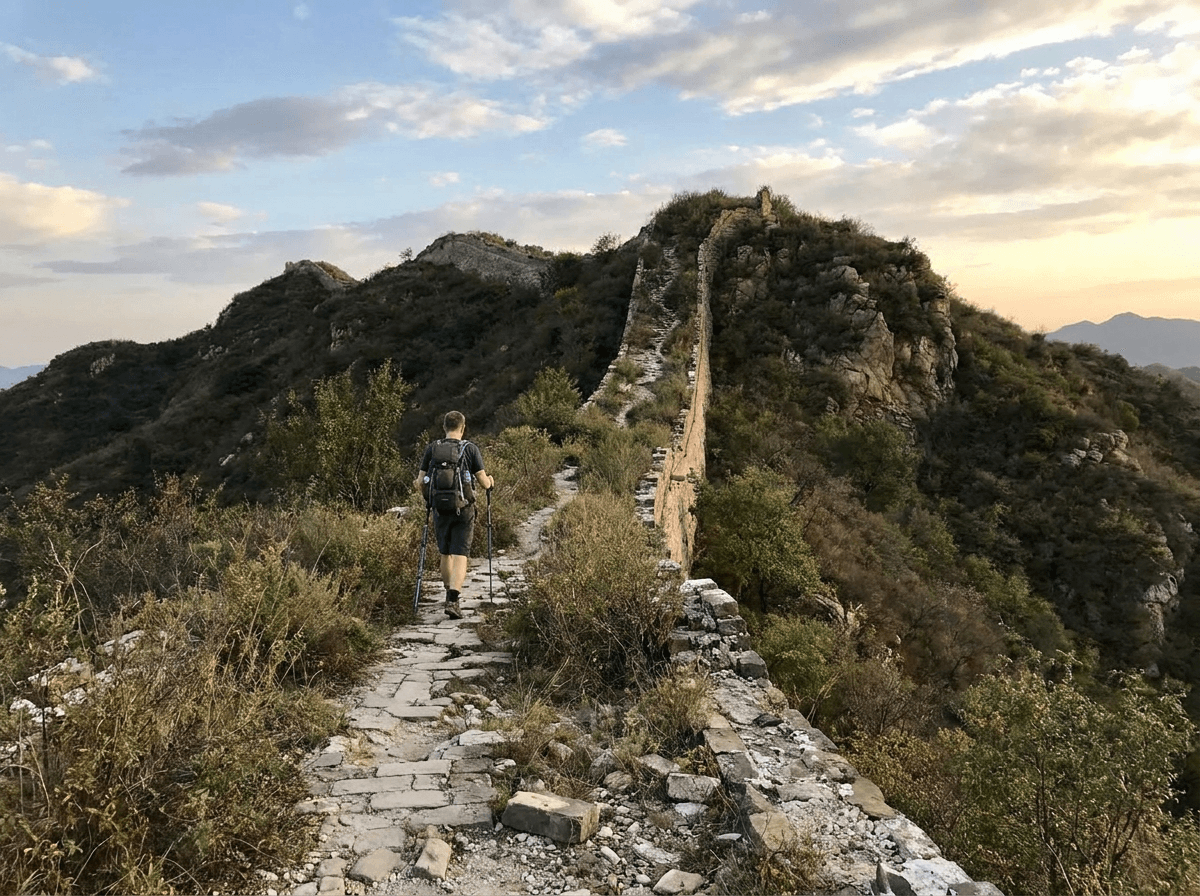
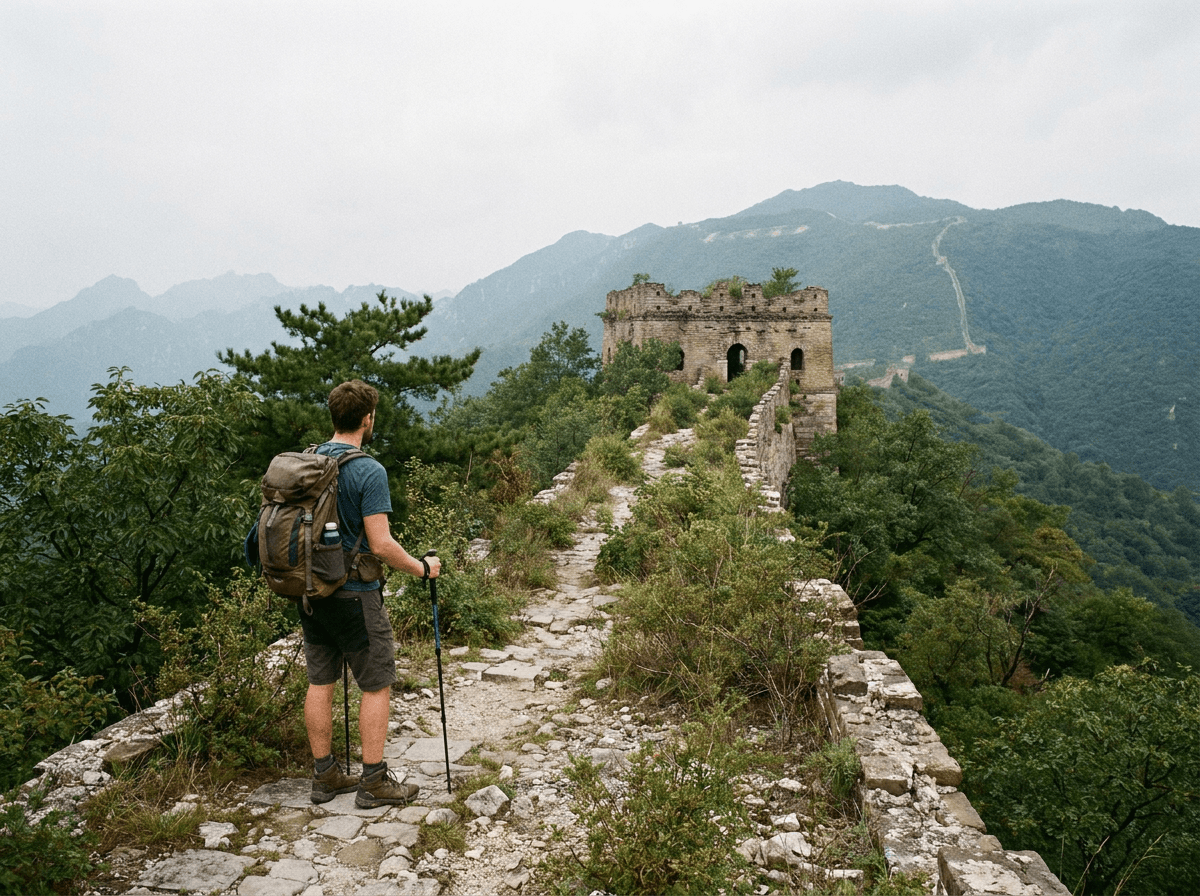
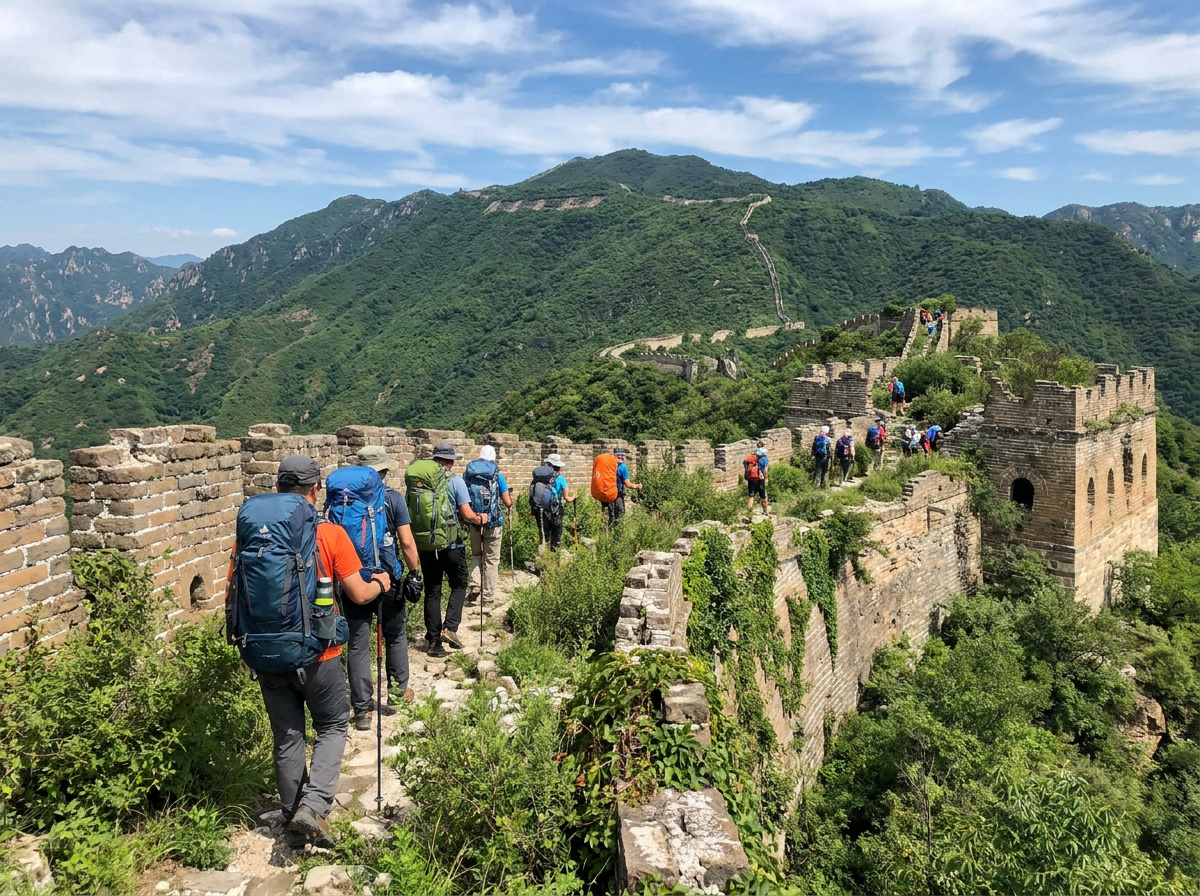
Near Jiankou, sections of the Great Wall remain unrestored, crumbling into brick and debris along a ridge that stretches toward Jinshanling. This multi-day journey follows the wall’s original path, avoiding the manicured, crowded sections near Beijing.
Steep, uneven stone steps test hikers’ balance, and some areas require scrambling over ruined watchtowers. Forested mountains surround the path, and other visitors are rare on the more secluded stretches.
This is the one trek on the list where the terrain itself is centuries old, not just scenic. Walking on centuries-old stone instead of a modern footpath adds weight to every step. Guides familiar with these unrestored sections help hikers move safely, as some footing is truly precarious.
Planning a Multi-Day Trek in China
The season you choose significantly affects the experience on these multi-day trails. Spring and autumn usually bring clear skies and stable weather, while summer brings heavy rain to southern routes like Tiger Leaping Gorge and Yubeng. Winter closes high-altitude passes in most areas.
Altitude impacts several of these routes more than casual hikers expect. Both Siguniang and parts of the Kanas to Hemu trek rise well above 3,000 meters, so acclimatization is more critical than fitness alone.
Permit and guide requirements vary by location. Treks in remote areas near borders or in Tibetan regions often need extra documentation, which should be arranged in advance through a licensed agency. Checking these requirements early prevents delays, especially on multi-day routes with poor cell service or limited emergency access.
Conclusion
China’s top multi-day hiking routes offer more than just photogenic views. They cross some of the nation’s most isolated and rugged landscapes, connecting trekkers with environments and communities that stay out of reach for most tourists. From the steep cliffs of Tiger Leaping Gorge to the weathered stones of the uninhabited Great Wall, each path tells a unique story of the country’s geological and historical development. Those who plan carefully for elevation, weather, and permits will find an adventure that rivals the world’s best hiking destinations.